Search Results
73 results for “dog eating grass”
How to Treat and Prevent Lyme Disease in Dogs
Lyme disease in dogs is transmitted by tick bites carrying Borrelia burgdorferi. Prevention focuses on avoiding tick exposure and regular parasite control, while treatment relies on veterinary diagnosis and a course of antibiotics.
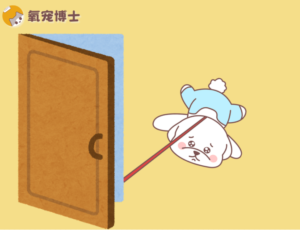
Why Won’t My Dog Go for Walks Anymore?
A dog that suddenly refuses walks is usually 'afraid' rather than 'lazy' — something on the route scares it, its paws or joints hurt, or it is stressed, anxious, or bored of the same path. Don't force it; rule out pain first, then rebuild confidence slowly with treats and short, positive outings.
Do dogs eat their own poop?
Yes, many dogs do. Causes include missing minerals, hunger, or fear of being punished for accidents. Clean up promptly and scold the attempt to break the habit.

Summer Dog-Walking Survival Guide (With Heatstroke First Aid)
Dogs have almost no sweat glands and cool mainly by panting, so above 28 C their cooling efficiency drops below a fifth of ours, and asphalt can hit 57 C while a dog's belly, only 20-30 cm off the ground, breathes air 5-8 C hotter. That makes summer walks risky. Walk before 7 a.m. or after 8 p.m. in shaded parks or grass, carry a folding bottle and offer water every 15 minutes, and cap time by breed, short-nosed dogs under 15 minutes in shade, sport breeds rest 5 minutes per 10 of exercise, small dogs under 10 minutes several times a day. Heatstroke can reach organ failure in 30 minutes; early signs are heavy panting, dark purple tongue, thick drool, then staggering and vomiting above 40 C, and seizures or coma with up to 80% death if untreated. First aid: move to shade, wipe groin/armpits/neck with room-temp water, give small sips if awake, keep head low, and rush to a vet.

How to Choose a Safe Dewormer for Dogs
When picking a dog dewormer, safety beats brand fame, price, or reviews. Weak off-brand products vary in purity, absorption, and residues, and can cause vomiting, diarrhea, lethargy, or skin redness. Judge a product by three things: gentle, compliant, pet-specific ingredients with low toxicity; a precise spectrum covering fleas, lice, mites, roundworm, hookworm, and heartworm prevention; and broad adaptability with very low side effects, including for puppies, adults, and pregnant or lactating dogs. Common active types include imidacloprid-moxidectin spot-ons, fluralaner (an isoxazoline) for long-acting tick and flea control, selamectin for sensitive dogs, and oral fenbendazole-pyrantel-praziquantel for broad internal coverage. Avoid three mistakes: over-frequent or stacked dosing, treating only after you see parasites, and buying unlabeled “no-name” products.

Why Your Dog Sheds and Stays Thin
Shedding plus failure to gain weight often points to parasites. Black specks in the coat mean fleas and call for external deworming; eating well but staying thin suggests internal parasites; scratching, scooting, mite-related patchy loss, or worms in stool all signal infestation. Puppies need deworming from 40 days, adults every three months, and more often if exposed.
What happens if a dog doesn’t eat salt?
A long-term lack of salt causes electrolyte imbalance in dogs — muscle weakness, stunted growth, weight loss, and poor appetite, and in severe cases pica (eating plaster, grass, or dirt). Salt is essential and is added to commercial food, but too much causes shedding, tear stains, high blood pressure, and even salt poisoning, so homemade diets need a small amount added.

Pica in Dogs and Cats
Pica is the compulsive eating of non-food objects such as stones, plastic, grass or wall plaster. It often signals a nutritional gap, pancreatic disease or parasites, and swallowed items can obstruct or perforate the digestive tract.
Why does my dog want to eat grass?
Dogs eat grass for several reasons: boredom or stress from too little exercise or stimulation, mild stomach upset, a need for fiber, or a nutritional deficiency that causes pica. Occasional grass-eating is usually harmless, but frequent eating with other symptoms warrants a vet check.

What to Do When Your Dog Refuses to Toilet at Home During Quarantine
Dogs trained to relieve themselves outdoors often refuse to go at home during lockdown. Help them by setting up a familiar toilet spot with pee pads, adding their own scent, mimicking outdoor ground, and encouraging water intake—and ease their stress with play.