Search Results
353 results for “dog ear odor”
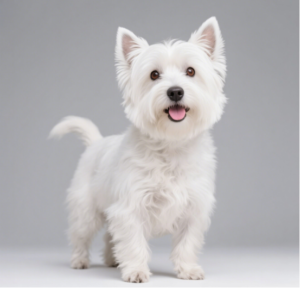
Why You Should Think Twice Before Getting a West Highland White Terrier
West Highland White Terriers are curious and energetic, which makes them champion destroyers of furniture, especially if separation anxiety sets in. Their signature white coat needs heavy upkeep: trims every 1-2 months, regular hand-stripping, twice-weekly brushing, and monthly baths. They are also known for sensitive stomachs and skin that flares up with the seasons, so diet changes should follow a gradual 7-day transition to a low-allergen food. Add a stubborn, treat-motivated temper and a purchase price of roughly 4,000-20,000 yuan plus higher grooming bills, and the Westie is best suited to experienced, time-rich owners.
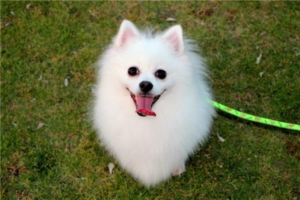
What Services Does Pet Grooming Include?
Pet grooming covers a range of cleaning, care, and styling services for your animal. A standard visit includes a bath with pet-safe products, coat trimming and clipping, nail filing, ear cleaning, teeth cleaning, and a styled haircut—exactly what most owners look for. Professional groomers have the skill to handle the work comfortably and can flag skin or health issues early. If home care feels like too much, a reputable salon is a sound choice; but even then, basic at-home maintenance between visits keeps your pet healthy and happy.
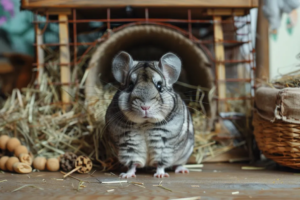
Why Is My Chinchilla Peeing Outside the Litter Box?
Chinchillas may urinate in the wrong places for several reasons—bad habits, low mood, estrus, territorial marking, or an underlying urinary infection. Each cause needs a different response. The key first step is to clean any accident thoroughly so the scent doesn't train your pet to reuse the spot. Feeding on a fixed schedule keeps a hungry or unhappy chinchilla calm, while separating cages and considering neutering curbs marking during heat. If urination becomes frequent or the urine looks dark, a vet check rules out infection.

Bichon Frise: Pros and Cons to Consider Before Adopting
The Bichon Frise is a small, fluffy, friendly companion that rarely sheds and suits apartments and families. But it is not the easiest breed to live with: tear stains are almost inevitable, its curly coat needs constant grooming, it is prone to separation anxiety, and its delicate constitution means sensitive digestion and frequent dental issues. Weigh these pros and cons before bringing one home.

How to Safely Cuddle Your Cat and Stay Healthy
Cuddling and nuzzling a cat - playfully called "sniffing the cat" - is a way owners show affection, and cats are uniquely cuddle-friendly because they barely smell. Unlike dogs, whose whole-body sweat glands make them rank without baths, a cat's scattered glands and constant self-grooming, plus sunbathing that kills bacteria, leave little odor. But close contact is not risk-free: diseases in cat feces or on the coat can pass to people. These include toxoplasmosis, cryptosporidiosis, and roundworm (mostly a kitten worry), plus Q fever from Coxiella burnetii, flea-driven skin allergies, and rarely rabies or hepatitis. Enjoy the cuddle, but wash up after, keep indoor cats' litter clean, and be extra careful if you are pregnant or unwell.

Why Does Cat Poop Smell So Bad
All stool smells, but cat poop is famously potent. The reason is protein: cats eat a meat-based diet, taking in four to five times more animal protein than people do. Plant protein contains only carbon, hydrogen, and oxygen, but animal protein also holds nitrogen and sulfur; as food ferments in the gut it forms indole and hydrogen sulfide - the compounds behind the strong odor. Cats also groom themselves and swallow stray hairs and odors that mix into the stool, making it richer still. The same goes for cat gas: nearly silent but strikingly pungent, it is a sure sign your cat is the source when no one else admits to it.

Thinking of a Golden Retriever? Know This First
The Golden Retriever is smart, gentle, and friendly, and with training can work as a guide or search dog. But it sheds heavily, drools, has a strong odor, eats a lot, and needs at least 1–2 hours of exercise daily or it turns anxious and destructive. It's also prone to hip dysplasia, obesity, ear infections, and eye disease. Know the real commitment before you bring one home.
The ten downsides of owning a German Shepherd
Intimidating looks, city bans, high exercise needs, scavenging, short lifespan, heavy shedding, strong odor, drooling, hereditary issues, and possible aggression if untrained.

Japanese Macaque (Japanese Pocket Monkey)
The so-called 'Japanese pocket stone monkey' sold in the pet trade is in fact a young Japanese macaque (Macaca fuscata) infant. Wild-caught or illegally traded individuals adapt poorly, carry zoonotic disease risks, and keeping primates as pets is strongly discouraged on welfare and legal grounds.

Anglo Mink
The Anglo Mink is the domesticated pet ferret (Anglo / Marshall lines) kept as a companion animal. Intelligent, gentle, and easy to litter-train, it is heat-sensitive and mischievous when unwatched, needs a large wire-free cage and 4+ hours out daily, and eats a meat-based diet (30–35% protein, 15–20% fat). Lifespan 8–12 years.