Search Results
353 results for “dog ear odor”

Does Dog Bad Breath Mean It Ate Poop?
Dog breath is common, but four causes explain most of it - and eating poop is rarely one. Periodontal disease lets bacteria release sulfur compounds; mouth ulcers appear as sudden worse odor; trapped food ferments into a rotten-egg smell; and gut trouble from a messy diet produces foul breath. Improve it by brushing with pet toothpaste, reviewing the diet (skip cheap unbalanced kibble and strong-smelling raw meat), checking the mouth for tartar or ulcers, and watching the stool for digestive issues. For mild cases, use a real antibacterial oral spray - not a fragrance mask.

Tracking Down the Source of Dog Odor
A strong dog smell is not always a bath problem; the real source is often the mouth, ears, or anal glands. Mouth bacteria cause bad breath, damp ears breed mites and infection, and full anal sacs add a sharp scent. This guide shows where to look and why a heavy perfume shampoo is the wrong fix.

How to Train a Dog to Sleep in Its Bed
Many dogs resist the bed at first, but training matters: it gives them quiet rest, security, and protects their health. Start by placing the bed in a quiet, warm spot and letting the dog sniff and inspect it, with favorite toys or a towel inside to lure it in. Reward entry with treats or toys to build a positive link, then gradually lengthen time in bed. Keep a consistent sleep schedule by putting the dog to bed at the same time daily. If it still refuses, the bed may smell wrong or be too small or hard, so adjust it. Never punish; that only builds negative feelings.
Is Urination a Good Sign When a Dog Has Parvovirus?
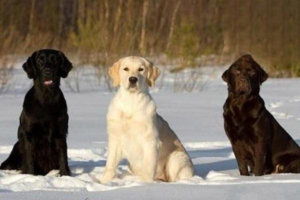
A dog with parvovirus passing urine is not, by itself, proof of recovery; the real sign is whether the stool becomes formed. A lack of urine often means dehydration from prolonged vomiting and diarrhea. When the dog starts passing formed stools and its energy and appetite return, it is on the mend. Parvo is a fierce, contagious disease, especially in unvaccinated puppies, so early veterinary care is vital.
Why Does Your Dog Smell So Bad?
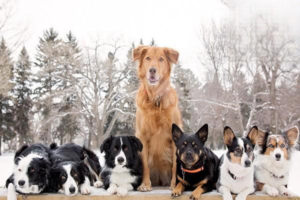
No matter how much you love your dog, the odors it carries can be hard to love. Many owners wonder why their dog smells, and the causes are not always obvious. A bad smell can signal a health problem, from wet-coat yeast and bacteria to ear infections, skin-fold dermatitis, gas, and impacted anal glands. Knowing where the odor comes from helps you treat the root cause instead of just masking it. Regular bathing and grooming, plus simple odor absorbers, can handle everyday smells that are not linked to illness.

Common Oral Diseases in Dogs
Many owners struggle with their dog's bad breath and the distress of dental pain. This article shares the common oral diseases behind that odor and how to prevent and treat them. From tartar and gingivitis to periodontal disease, cavities, broken teeth, and malocclusion, understanding the causes is the first step to a healthier mouth.

Are Dog Treats a Blessing or a Poison?
Treats come in many types. Meat jerky (chicken/duck/beef, dry or moist) suits most dogs—buy branded, dated, labeled ones. Functional treats include dental biscuits and chews (rawhide, pork/beef skin, plant protein) that clean teeth and pass time; size to the dog to avoid swallowing. Dairy treats need lactose-free choices for lactose-intolerant dogs. Natural chews (bones, rabbit ears) are popular but unpreserved, so buy small. Pick known brands with clear labels, check dates, and remember: staple food sustains alone; treats alone do not—and too many treats breed pickiness.
Why Does My Dog Urinate in the House?
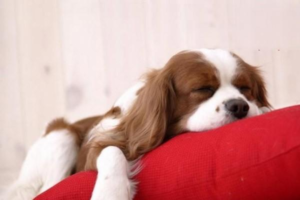
When a normally clean adult dog urinates indoors while you are out, scolding and punishment aren't the only responses to consider—why is your adult dog doing this? Puppies peeing inside is just the cost of dog ownership, so we focus on adults. Occasional accidents are normal ('nature calls'), but frequent, repeated indoor urination deserves attention, because it brings urine odor and possibly other problems. Medical causes: urinary disease (often a UTI causing random urination, usually treatable with medication); incontinence (dribbling or peeing while sleeping points to incontinence, treatable early with medication; large-area urination suggests something worse—see a vet); senior dogs (canine cognitive dysfunction makes them forget where they are, causing accidents). If your dog is healthy and not old, the cause is behavioral: intact males may mark after sexual maturity—normal—but a dog that never peed inside suddenly doing so may be stressed by household changes (a new member, a departure, new smelly or noisy objects). To change it: don't yell—catching the act in the moment matters, not the old puddle; remove or relocate the trigger; and clean thoroughly with an enzymatic cleaner that fully removes the odor so the dog doesn't remark the spot.

Ear Mites in Dogs: Why the Smell Means Trouble
Ear mites (Otodectes) are ear-canal parasites that feed on lymph and fluid; females are 0.35–0.45 mm, males 0.275–0.36 mm—barely visible white dots. Left untreated they cause inflammation and crusting within about two weeks and can progress to middle or inner ear infection, even hearing loss and loss of balance. Signs: foul-smelling dark ear discharge, head-shaking and scratching, and sometimes worsened tear stains (the ear and facial nerves connect). Treat by isolating the dog and disinfecting its space, cleaning the canal, and applying a miticide as directed until gone; prevent with routine ear care. If it won't clear, see a vet. (Mites rarely infect people.)

Which Dogs Are Most Prone to Ear Infections?
A dog's L-shaped, narrow ear canal traps debris and invites infection. Small long-haired breeds, large floppy-eared dogs like Cocker Spaniels, Beagles, and Dachshunds, and some prick-eared breeds with tight canals such as Bulldogs are most at risk. Causes span primary (mites, allergies, tumors), predisposition (canal shape, systemic disease), and perpetuating (bacteria, fungi). Watch for head-shaking, foul discharge, and hearing loss, and keep the outer ear clean to protect the inner ear and nervous system.