Search Results
5 results for “dog ear frostbite”
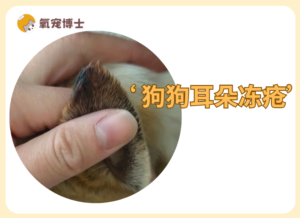
‘Northern Dog’ Special: How to Treat Frostbite on Your Dog’s Ears
Move a dog with frostbitten ears indoors at once and wrap the body in a blanket (protect core temperature) to stop further cooling. Then apply a towel soaked in 37–38°C water to the ear for 10–15 minutes, repeat after a 5-minute gap, until the ear warms. Don't use a hot water bottle or hairdryer — too much temperature contrast worsens tissue damage. After rewarming, pat dry with sterile gauze and apply a pet moisturizing repair balm (beeswax or shea best), and use an Elizabethan collar or breathable wrap to stop scratching.
Why Does Your Dog Sit Down After a Few Steps? It Could Signal Joint or Heart Trouble
A dog that keeps sitting mid-walk may just be lazy—or it may be sending a health alarm. Tell the difference by its mood and other signs: a bright, tail-wagging sit is usually fine, while a stiff, head-down, hard-to-rise sit means discomfort. Causes range from joint disease and paw injuries to heart trouble, anemia, or nerve problems, and even fear. Matching the behavior to the context tells you when a vet visit is urgent.

Squamous Cell Carcinoma in Dogs and Cats
Squamous cell carcinoma is a skin tumor of the epidermal layer linked to long-term sun exposure and other skin irritation. It is the second most common skin tumor in cats and favors the head, ears, lips, and nose. Wide surgical removal is the main treatment, though it often recurs.

Frostbite in Dogs and Cats
Frostbite is tissue injury from prolonged cold, most often on the tail, ears, paws, and penis. It causes redness, then bluish swelling, and in severe cases skin or even bone death. Rewarming and preventing infection are the main goals.

What to Do If Your Dog Gets Frostbite
Frostbite damages tissue in the ears, tail, and paws when a dog is exposed to cold and wind. Symptoms may take days to appear. Move the dog to warmth and rewarm the area slowly, never with direct heat.