Search Results
5720 results for “dog ear CT”

The Pros and Cons of Cutting a Dog’s Quick
Cutting a dog's quick keeps overgrown nails from causing pain and bone problems, especially in small breeds with little exercise. It is a painful surgery best done by a vet in puppyhood.

Does a Dog Know It Is a Dog?
Studies show dogs change their behavior with humans yet act dog-to-dog with dogs, and they can pick out another dog's face from photos of other animals. Unlike cats, dogs clearly know they are dogs, not humans.

Common Tail Positions of Cats and Dogs
A cat's tail shows defense, anger, fear, or joy, while a dog's wag, drop, or stillness signals friendliness, danger, or unease. Learning tail language helps you understand your pet.

What to Do When Your Dog Fears Baths
Dogs fear baths from discomfort, past trauma, or sensitive hearing that amplifies water and dryer noise. Go slow with desensitization, rewards, and never use brute force.

How Scary Is a Dog in Its Rebellious Phase?
A dog's rebellious phase, driven by hormones, brings restlessness, fear, and even aggression as it matures. Owners should avoid force, use desensitization, and double down on socialization during this period.

How to Solve a Dog’s Chronic Constipation
Constipation in dogs comes from low fiber, little exercise, or underlying illness, and counts as no stool for 48 hours. Mild cases improve with more walks, water, and plain pumpkin or apple.

How to Correct Food Guarding in Dogs
Food guarding is about status, fear, excitement, or pain, and is fixed with calm desensitization rather than force. For multi-dog homes, gradual phased feeding teaches tolerance.

Why Dog Tattoos Are Restricted in Many Countries
Today we look at whether dogs can be tattooed, and why tattoos on dogs are restricted or banned in many places abroad.
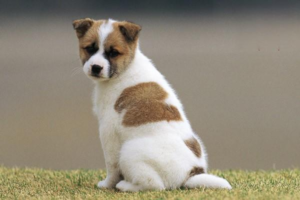
Why Your Dog Always Acts Hungry
A dog that acts hungry may just be a natural eater, a fast eater, or responding to table scraps and enhancers. Diseases like Cushing's, diabetes, and parasites can also drive constant hunger.

Do Dogs Recognize Their Mothers?
Experiments at Queen's University Belfast showed puppies, mothers, and even adult dogs can recognize each other by scent after years apart. A dog's nose, not human logic, explains why they know their mothers.