Search Results
5713 results for “dog ear CT”

What to Do When a Puppy Won’t Eat
A healthy dog can skip food only so long; refusal usually means pickiness, illness, or gastritis. Fix it with set meal times, more exercise, and regular deworming — and see a vet if fever, vomiting, or diarrhea appear.

Canine Distemper (CDV): Symptoms, Treatment, and Prevention
Canine distemper is a highly contagious viral disease; early signs mimic a cold but can progress to conjunctivitis, breathing trouble, vomiting, diarrhea, and seizures. Puppies face 30–80% mortality. Treatment is long and veterinary-led; vaccination is the only reliable prevention.

Can a Young Puppy Have Rabies?
Puppies under three months carry their mother's antibodies and are unlikely to have rabies, but after that, unvaccinated pups can. Annual shots and avoiding unknown animals are the safeguard.
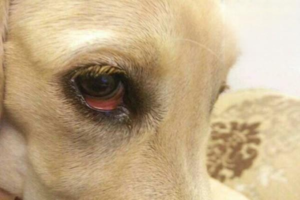
Does a Red Eye Mean Rabies?
A red eye by itself is almost never rabies; conjunctivitis or keratitis is the usual cause, while rabies adds fear of water, light, and aggression. Treat the eye with vet drops, and vaccinate against rabies.

Puppy Tracheitis and Bronchitis: Symptoms and Treatment
Dog tracheitis and bronchitis come from repeated viral or bacterial infection plus cold, smoke, and dust irritation, but with good home care and the right medication the recovery rate tops 95%. Watch for cough, fever, and breathing trouble.

Hard Lumps on a Teddy Poodle’s Skin
A hard lump on a Teddy can come from mites, lice, fungus, mosquito bites, allergy, or eczema, and the right fix depends on the cause. A vet skin scrape under the microscope gives a certain diagnosis, so avoid guessing with medication.

Canine Parvovirus Disease
Canine parvovirus is a highly contagious disease that hits weaned-to-90-day puppies hardest and can be fatal; it appears as either an enteritis or a heart-muscle form. Fast vet care, rehydration, and immune support give the best odds.

Can Canine Distemper Be Cured?
Canine distemper is a highly contagious viral disease with over 50% mortality, but caught early it is often treatable. Symptoms move from mild fever and diarrhea to severe eye and nerve damage, so any suspected case needs immediate veterinary care.

Schnauzer With Bumps and Scabs on the Skin
Bumps and scabs on a Schnauzer's skin usually point to a parasite problem or a fungal or bacterial infection. Small affected areas can often be managed at home with gentle cleaning and a vet-recommended spray, but widespread or worsening lesions need a vet visit.

How to Treat Skin Disease in a Puppy
Skin disease is common in undernourished or frail dogs, and hits puppies and weak individuals hardest. The main culprit is the fungus Microsporum canis, which survives for months — even years — on surfaces. Signs range from mite-driven red spots to visible fleas, and treatment means shaving, topical medication, environmental disinfection, and an Elizabethan collar.