Search Results
5713 results for “dog ear CT”

How Long Can a Cat Remember a Person?
After you return from vacation, will your cat still remember you? You helped your friend care for their cat for a week; will that cat remember you when it sees you again? A cat's short-term memory lasts about 16 hours (for things it considers important), and its long-term memory is uncertain.

How to Help Pets and Children Get Along
For a family with children, the balance between owner and pet can become very difficult. The house gets more crowded, and even well-behaved pets can sometimes become highly stressed. This article shares expert advice on introducing dogs and cats to children and keeping a harmonious home.

How to Manage Thunder and Noise Phobia Anxiety in Pets
At the first clap of thunder, your dog suddenly vanishes, and you may find it in the darkest corner of the closet or under the bed. Even if your dog is one of the so-called fiercest breeds, when thunder sounds it may tremble on your lap or at your feet. This article explains noise phobias and how to help an anxious pet.

Common Gastrointestinal Diseases in Cats
Many diseases can affect the gastrointestinal (GI) tract. Symptoms such as vomiting or diarrhea are common in GI disorders. Regurgitation (the effortless expulsion of stomach fluid, mucus, and undigested food from the esophagus) is frequent in esophageal disease.

Diseases with Symptoms Similar to Feline Liver Failure
Liver failure is an abnormality that occurs when the liver is affected by impaired blood flow, reduced oxygen supply, hepatotoxic drugs or chemicals, excess heat, or infectious agents. Liver failure can occur in dogs and cats of all ages and breeds. It may affect multiple organ systems, including the liver and gallbladder, nervous system, gastrointestinal tract, and blood system. Affected pets may show various symptoms, including anorexia, lethargy, depression, vomiting, diarrhea, seizures, abdominal fluid accumulation, bleeding, and jaundice (yellowing of the skin).

What Is Canine Parvovirus?
Canine parvovirus (CPV) is a single-stranded DNA virus that hits unvaccinated dogs of any age; CPV-2 is the most virulent and a leading cause of severe puppy enteritis. It spreads by fecal-oral contact, resists the environment for months to years, and causes vomiting, bloody diarrhea, and dehydration. Vaccination is key.

What to Know About Puppy Vaccinations
Puppy 'shots' (vaccinations) protect against fast-spreading infectious diseases. Puppies get the first round at 6–8 weeks, then boosters every 3–4 weeks until 20 weeks. Which vaccines depend on size, local law, and lifestyle risks (boarding, ticks, etc.). Repeated shots bridge the gap while maternal antibodies fade.

Causes of Feline Phobias
Fear is a normal response to threatening stimuli, but when it becomes excessive and irrational it crosses into phobia. This article explains the possible triggers of feline phobias, how they develop through innate and learned pathways, the sensitive period of kitten socialization, and how to prevent fear from becoming a lifelong problem.

Are Cats Really Smart?
Cats are certainly intelligent—they learn and adjust based on what they discover. Their brains are structurally similar to ours, with the same lobes, neurotransmitters, and five senses. Like us, they have short- and long-term memory, can be trained with food rewards, and may decline with age (Feline Cognitive Dysfunction).
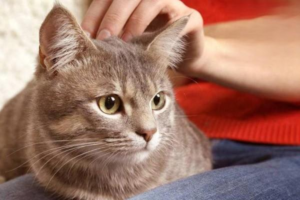
Cat Anatomy and Nutritional Requirements
A cat's body has nine notable parts (limbs, eyes, teeth, paw pads, nose, tongue, claws, whiskers, ears), and its diet needs core nutrients: protein, fat, carbohydrates, water, crude fiber, magnesium, calcium, phosphorus, and taurine. As obligate carnivores, cats need animal-source nutrition.