Search Results
5713 results for “dog ear CT”

Appreciating the Golden Retriever
Bred in 19th-century Scotland as a tougher retriever for marshy hunting grounds, the Golden Retriever descends from a yellow dog crossed with the extinct Tweed Water Spaniel, later refined with Irish Setter, Bloodhound, St. John's Water Dog, and black retrievers. It reaches full height at 9–14 months, full weight at 2 years, mental maturity at 3. English, American, and Canadian lines differ in build and coat shade (cream to gold, never red). They shed twice a year, need daily brushing, at least an hour of exercise, weight control, and yearly checkups—average lifespan 11–12, with cancer, heart, eye, joint, and skin risks.

Leash Training Your Shiba Inu for Walks
Walking is a Shiba's daily must-do—exercise, mood relief, and key socialization. Adults need about an hour a day, ideally twice, with varied routes and flexible times (avoid midday summer or cold dawns). On meeting other dogs, keep the leash short and pass calmly, or ask for 'sit/down' to ease tension; let them greet by sniffing rear ends before facing each other. Teach loose-leash walking with 'come', rewarding calm steps; never yank the leash—Shibas pull against pressure. Before vaccines, carry the pup for 'preview' walks wearing a harness.

What to Consider Before Bringing Home a Cat
Before you adopt, pass a few gates. Partner gate: everyone at home must accept a cat for the long haul, including future spouses and kids. Housing gate: enough space plus real safety—mesh screens on windows and balconies. Money gate: ~150 yuan/month basics and the ability to pay vet bills. Body gate: test yourself for cat allergy. Time gate: feeding, scooping, grooming, and a clingy cat that sits on your keyboard. And the other-pet gate: introduce newcomers slowly across territories.

Do I Need a Vaccine After a Rabbit Bite?
Generally, you do not need a rabies vaccine after a rabbit bite. Rabies is carried mainly by dogs, cats, bats, and foxes, while rabbits are rodents with a very low chance of hosting the virus, so infection from a rabbit is unlikely. A tetanus shot may be worth considering for deep or large wounds, and a wild-rabbit bite should be checked at an infectious-disease clinic. Whatever the source, wash the wound promptly with warm water and mild soap, then disinfect with iodine or alcohol to prevent bacterial infection.
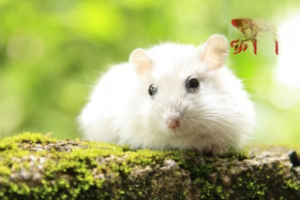
Why Is My Golden Hamster Squeaking Constantly?
Golden hamsters are normally quiet creatures that sleep by day and run on their wheel by night, so constant squeaking is a signal worth reading. It can be completely harmless—a dream, a startle, or a sulk—or it can mean real distress from illness, injury, or a perceived predator nearby. Because the tone differs between a content chirp and a pained wail, owners should learn to tell them apart. This guide covers the five common reasons a hamster cries out and when a vet visit is the right call.

A Complete Guide to Pet Spay and Neuter Surgery
Spaying or neutering is one of the most responsible decisions a pet owner can make. For dogs and cats, the ideal window is around 6 to 8 months of age, ideally before the first heat cycle, which lowers the risk of reproductive diseases and unwanted behaviors. The procedure should only be performed on a healthy animal that is fully vaccinated, has adequate antibody levels, and is regularly dewormed. Once you choose a trusted veterinary clinic, you can book the surgery and share your pet's age, vaccination, and deworming history. The clinic will explain pre-operative fasting rules. This guide walks you through the timing, preparation, and the step-by-step process on the day of the operation so you know exactly what to expect.

Why Cats Pee on the Bed and How to Stop It
Bed-peeing falls into three types: normal inappropriate elimination, stress peeing (literally scared into it), and urine marking (spraying). You can tell them apart by the stain—round with digging for normal, a few drops with no digging for stress, and a vertical streak with raised hips for marking. Clean with enzymes to remove the scent pheromone that invites re-marking, spray deterrent, then fix the root cause: litter training, reducing fear through socialization, and easing the anxious, rejected cat.

Why Pets Drool: Stomatitis and Periodontal Disease
Persistent drooling often points to mouth inflammation. Stomatitis can be contagious (virus-linked) and, in cats, often lifelong — a red line forms where gum meets tooth, with constant drooling. As it worsens, ulcers grow, the cat may stop eating and lose weight. Periodontitis, driven by bacteria and tartar, also causes drooling, bad breath, and tooth loss. Diagnosis needs an oral exam (often under anesthesia) and dental X-rays; treatment ranges from antibacterial rinses to antibiotics and, in severe tartar cases, extraction.

The Hidden Meanings in Your Cat’s Tail
A cat's tail is a rich mood telegraph. A tail held high and quivering while the cat rubs on you is pure trust and affection (it recalls mother cats stimulating kittens to eliminate). A still tail with a hooked tip means content and relaxed; an upward wag while weaving around you is begging like a dog; a low or tucked tail signals fear; a tail sweeping the floor means alert and about to act; a puffed, thrashing tail is a clear 'back off' before attack. When the tail is perfectly still, the cat trusts you most—like family.

Why Cats Get the “Poop Zoomies”
That burst of speed and chaos right after a cat uses the litter box has a name: the "poop zoomies." It is just a behavior, not a disease, and is common in cats but not dogs. No treatment is needed — though if it knocks things over, move the box somewhere safer. Watch for look-alike conditions: hyperthyroidism in older cats (hyperactive at other times too, eating more but losing weight) or pain on elimination from cystitis or blocked urethra. The zoomies likely trace to a wild instinct — the litter box is the most vulnerable moment, so run fast afterward.