Search Results
5713 results for “dog ear CT”
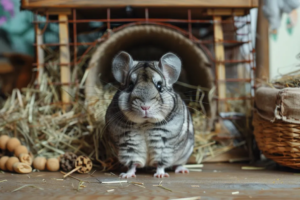
Why Is My Chinchilla Peeing Outside the Litter Box?
Chinchillas may urinate in the wrong places for several reasons—bad habits, low mood, estrus, territorial marking, or an underlying urinary infection. Each cause needs a different response. The key first step is to clean any accident thoroughly so the scent doesn't train your pet to reuse the spot. Feeding on a fixed schedule keeps a hungry or unhappy chinchilla calm, while separating cages and considering neutering curbs marking during heat. If urination becomes frequent or the urine looks dark, a vet check rules out infection.
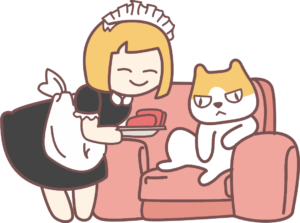
Is Your Cat Hard to Bond With? (Signs and What to Do)
A cat that seems impossible to bond with is rarely born defiant—it usually shows clear behavioral clues and a hidden reason behind them. Such a cat refuses close contact, pretends not to hear its name, guards its food, claims a corner as territory, hides constantly, or even tries to escape. The causes range from a strong independent nature and sex differences to a stray past marked by abuse or the mood swings of an unspayed cat. The fix is patience: give the cat space, build trust through food on a fixed schedule, avoid sudden stimuli, and consider pheromone sprays. Most 'untamable' cats will gradually accept you when treated with respect.

Bichon Frise: Pros and Cons to Consider Before Adopting
The Bichon Frise is a small, fluffy, friendly companion that rarely sheds and suits apartments and families. But it is not the easiest breed to live with: tear stains are almost inevitable, its curly coat needs constant grooming, it is prone to separation anxiety, and its delicate constitution means sensitive digestion and frequent dental issues. Weigh these pros and cons before bringing one home.
How to Train a Puppy to Fetch
Teaching a dog to fetch is a great way to build a bond and burn off energy, and it works best with the right setup. Start during the growth phase (around 4–6 months) or a dog's energetic years (3–7). Pick a ball of the right size and bounce—tennis or ping-pong balls work well—and build interest by letting the dog sniff it, or by rubbing the ball with a favorite food scent if it shows no interest. Throw it a short distance, give the 'fetch' cue, and reward the return with praise, petting, or a treat so the dog learns the behavior pays off. If the dog won't pick up or won't bring it back, demonstrate yourself, use a treat to trade for the ball, and stay patient. Keep sessions to 15–20 minutes.

What to Keep in Mind When Using Topical Flea and Tick Treatment on Cats
Cats can pick up external parasites at any time of year, so regular preventive treatment matters. Topical products come as sprays or spot-on drops, and their coverage depends on the active ingredient, so the right choice depends on your cat's lifestyle and the parasites it faces. Apply spots along the spine, dose by weight, avoid bathing for a few days, and use an Elizabethan collar to prevent licking. Kittens can start around two months old with monthly treatment; adults need it every one to three months, more often in warm seasons or for outdoor cats. Never use dog-only products containing permethrin on cats.
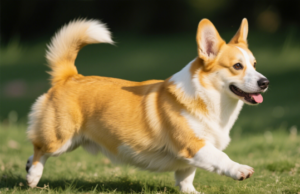
Are Corgis Prone to Patellar Luxation?
Corgis are indeed a high-risk breed for patellar luxation. Data from the Orthopedic Foundation for Animals (OFA) puts corgis in the top three among small breeds, with about 20%–30% developing some degree of the condition. The cause is twofold: a genetic mutation that leaves the trochlear groove too shallow to hold the kneecap, and a short-leg bone structure that angles the femur and tibia inward by 15°–20° more than usual, pushing the patella out of place. The problem is graded I–IV, from occasional skip-hopping to permanent dislocation. Mild cases are managed with joint supplements and limited exercise, while grades III–IV usually need surgery. Keeping the dog at a healthy weight and avoiding stairs and jumping are the best prevention.
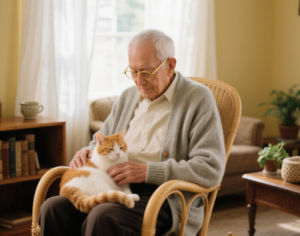
Why Are Cats Raised by Elderly Owners So Calm and Obedient?
Cats kept by elderly owners often seem gentler and more obedient than the lively pets raised by younger people, and the reason is rooted in pet behavior science. Cats love calm, predictable routines, and an older person's slow, regular daily rhythm gives them a sense of safety that lowers their guard. Seniors also provide the 'effective companionship' cats value most—short, low-intensity interactions like petting and soft talk scattered through the day—rather than infrequent marathon play sessions. On top of that, elderly owners tend to be gentle yet consistent: they neither shout nor overindulge, setting clear rules while offering unconditional acceptance. This calm, secure environment lets a cat relax and show its sweetest side.
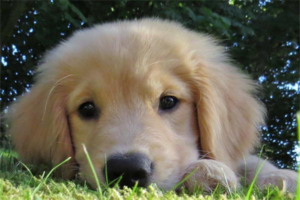
How to Train a Golden Retriever to Retrieve?
Golden Retrievers are smart and eager to please, which makes them relatively easy to train. Teaching your dog to fetch and carry objects starts with building trust, choosing safe toys, and picking one clear verbal cue like "fetch." Use positive reinforcement—praise or a small treat—when your dog responds correctly, and gradually increase the distance and difficulty. Keep sessions short, fun, and patient, then reinforce the skill in daily life through games and light carrying tasks. Consistent, reward-based training helps your Golden master retrieving faster.
How do you train a Pomeranian to be obedient?
Pomeranians are lively and easily distracted, so use treats as lures and reward each success. Assist manually at first, correct misbehavior firmly but without physical punishment, and praise often.

Care Tips for Keeping a Border Collie
The border collie is the smartest dog breed, bright enough to outthink its owner, so patience and skill matter in training. As a large, high-energy dog it needs daily exercise, such as frisbee, to burn off energy and avoid destructive behavior. Groom its dense coat twice a day in shedding seasons, train with rewards not force, watch for hereditary issues like eye and hip disease with regular checks, feed by life stage, and deworm and vaccinate while avoiding Collie-sensitive drugs.