Search Results
5720 results for “dog ear CT”

Do Rabbits Need Vaccines, and Which Ones Are Available
Rabbits benefit from vaccination against serious, hard-to-treat diseases such as viral hemorrhagic disease and Pasteurella infection, with the first shot around 45 days of age and boosters two or three times a year. Vaccines must be given only when the rabbit is healthy and not stressed, and never mixed with deworming or with each other on the same day.

When Should Puppies Be Vaccinated, and What Should You Watch For
Puppies can start their core vaccine series at about six weeks of age, with boosters every two weeks for a total of three shots, given only when the puppy is healthy. After vaccination, keep the puppy warm, dry, and away from other dogs for roughly two weeks while immunity builds.

Common Mistakes in Feeding a Cat
New cat owners fall into the same traps: treats as a main meal, raw fish with parasites and bones, abrupt food switches, too much liver, and mixing fresh food with stale leftovers. Each one strains a cat's fragile gut—or worse—so learn the habits before they cost your cat its health.

Husky Vaccination: Schedule and Vaccine Types
Huskies need a strict vaccine schedule — bivalent at 45 days, quadrivalent at 75, hexavalent plus rabies at 105, then yearly boosters. Use vaccines before expiry, keep the site clean, and avoid baths or heavy exercise around shots; for unvaccinated puppies at high risk, hyperimmune serum first helps.

How to Treat Canine Parvovirus
Canine parvovirus is a highly contagious, often fatal virus that attacks the gut and heart, mainly in puppies. Prevention through vaccination from 45 days is key; infected dogs need isolation, disinfection, and vet-supervised fluids, and hopeless cases should be euthanized to protect others.

What Is Canine Distemper and What Are Its Symptoms?
Canine distemper is a highly contagious viral disease with an 80%+ death rate, especially in puppies. It starts like a cold with a double-peaked fever, then brings respiratory, gut, and finally neurological signs — vaccination is the only real defense.

How to Tell Canine Distemper Apart from a Common Cold
Distemper brings cough, thick yellow nasal discharge, eye crust, and fever, and can progress to neurological signs. A cold stays in the upper airways — cough, sneeze, runny nose, lethargy — and a weakened dog is more likely to catch distemper.
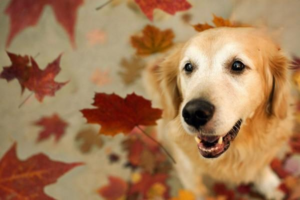
How to Tell If Your Puppy Has a Fever
A feverish puppy goes listless and loses appetite, with hot ears, a dry warm nose, and hot armpits. Confirm with a thermometer, then cool the dog physically and get to a vet if the temperature won’t drop — high fever is an emergency.

What to Feed a Bichon Frise
A Bichon thrives on a balanced diet with carrots for strong teeth, a little honey when unwell, seaweed for skin and coat, whole grains for B vitamins, and daily meat. Keep it groomed, played with, and bathed.

How to Tell a Miniature Pinscher from a Chihuahua
The Chihuahua is the world’s smallest dog (13–23 cm, 1–3 kg), while the Miniature Pinscher is a bit larger (25–30 cm, 3–5 kg) with higher-set, pointier ears and more prominent eyes. Both are cute — experience makes them easy to tell apart.