Search Results
5720 results for “dog ear CT”
A Fleshy Bump in Your Dog’s Eye
A bump in the eye is usually heat and inflammation, a prolapsed third eyelid, or a bacterial infection from daily life. Ease mild heat with water and diet; see a vet for the third eyelid, and use antibiotic care for infection.

Why Does My Dog Keep Tearing Up?
Constant tearing leaves dark stains because the wetness mats the fur around the eyes. The cause may be simple irritation, ingrown lashes, inflammation, or a blocked tear duct or ear issue, and each needs a different response.

How to Tackle a Smelly Dog
Dog odor usually comes from missed bath spots, unexpressed anal glands, dirty ears, and poor diet causing bad breath or stool. A proper pet shampoo, regular gland care, ear and paw cleaning, and teeth brushing keep your dog fresh.

Post-Surgery Recovery Care for Your Dog
After an operation a dog is fragile and needs careful nutrition, soft easy meals, and real rest. A recovery supplement, balanced food, and limited activity help the incision heal and the dog bounce back.
Dog Has No Appetite but Stays Active
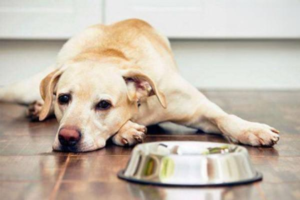
When a dog skips meals yet stays playful, the cause is usually the food itself or picky habits, not illness. Rule out the kibble first, then watch for a possible blockage if there is no bowel movement or drinking.

Why Your Dog Lost Its Appetite and Energy
A dog that stops eating and goes quiet may have a troubled stomach, parasites, an internal illness, or simply picky habits. Match the cause to the fix: adjust the diet, deworm on schedule, or see a vet when illness is the culprit.

What to Do When Your New Dog First Comes Home
The first days at home set the tone for everything that follows. Prepare supplies and a health check beforehand, then use a leash and crate to build boundaries, feed on a fixed schedule, and train with patience and rewards rather than scolding.

When a Dog Is Infected with Rabies
Rabies is not passed before birth or through milk; a dog catches it from the saliva of a rabid animal entering a wound. Once symptoms appear there is no cure and death follows within days, so vaccination is the only real protection.

Physical Ways to Cool a Feverish Dog
Confirm a fever by temperature, mood, appetite, and a dry hot nose, then cool your dog with alcohol wipes and cool packs while a vet handles the cause. Physical methods ease discomfort but do not replace professional care for a serious fever.

Caring for Your Dog During the Heat Cycle
During heat a dog may grow restless, vocal, or unusually quiet, and a female will bleed and attract males. Keep her calm, clean, and away from unfamiliar dogs, and decide early whether you plan to breed or to prevent pregnancy.