Search Results
5720 results for “dog ear CT”

Can Dogs Eat Mushrooms?
This is a topic that demands attention: ordinary store-bought mushrooms are fine for your dog, but wild mushrooms carry a risk of toxicity to both people and dogs. Be especially careful not to let your dog eat wild mushrooms. This article covers safe preparation and the dangers of wild mushrooms.

Can You Use Human Shampoo on Your Dog?
Will the shampoo you use cause trouble for your dog? Whether or not you follow the rules, most dog owners have heard that dog shampoo should not be mixed with human shampoo when bathing. As a rule, shampoo is individual. This article explains why dog skin differs from human skin and why pet shampoo is safer.

Can Dogs Get Diabetes?
Diabetes is one of the most common medical conditions in humans. Surprisingly, it is also a common disease in dogs. The main symptoms of diabetes in both people and dogs are increased thirst and water intake. This article explains the types of diabetes in dogs and the importance of early diagnosis.

How Inflammatory Bowel Disease in Dogs Is Diagnosed
There are many causes of IBD in dogs, such as ordinary enteritis from improper diet, parasite-driven enteritis, and viral enteritis that generally needs antiviral treatment. This article explains the in-depth diagnostic workup used to confirm IBD.

Symptoms of Inflammatory Bowel Disease in Dogs
Canine IBD is a group of gastrointestinal diseases involving infiltration of inflammatory cells into the dog's gastrointestinal tract. IBD can affect the upper and lower digestive tracts and is the most common cause of chronic vomiting and diarrhea in dogs. The cause of IBD is not yet clear. This article covers its symptoms, diagnosis, and treatment.

Treatment for Inflammatory Bowel Disease (IBD) in Dogs
IBD in dogs is treated with a novel or hydrolyzed-protein diet, antibiotics (metronidazole, tylosin), corticosteroids (prednisone), sulfasalazine for the colon, and sometimes azathioprine. Home care means strict meds and diet, regular follow-up, and watching for infection or steroid side effects.

How to Care for a Senior Dog
Senior dogs need grooming help, proactive pain management for arthritis, vet-prescribed NSAIDs or other pain meds, and quality supplements (look for the NASC seal). Vet visits every 6 months after age 10 catch problems early. You and your vet are a team for a pain-free life.

How to Clean Your Dog’s Ears
Cleaning a dog's ears is harder than it looks—long canals mean a wrong move can rupture the eardrum. Wrap a small dog in a towel, wipe the flap and visible cartilage with a damp cotton ball or swab, never push into the canal, and reward after. For severe infections, let your vet do it.
Tips for Caring for an Older Dog
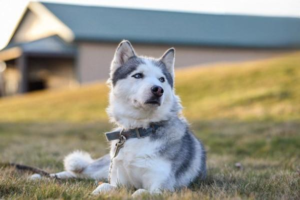
Age is not a disease, but senior dogs need help: add rugs for traction on slick floors, raise food bowls to shoulder height, keep them cool in summer, use car ramps and indoor steps, give an orthopedic bed, and keep both body and mind active with short outings and new games.

How to Crate-Train Your Dog Without Resistance
Crate-train with food: feed in the crate, close the door a few minutes longer each time, and aim for a 10-minute calm stay after eating. Never let a whining dog out until it stops, or it learns whining = release. Use a 'go to your crate' cue with treats, and never use the crate as punishment.