Search Results
5731 results for “dog ear CT”

How to Choose a Dewormer for Dogs
Most dogs meet parasites at least once, and fleas, roundworms, and heartworm are among the most common. Deworming is not a gimmick, yet three myths—indoor dogs are safe, price equals quality, one dose lasts half a year—lead owners astray. This guide covers the three standards for choosing (spectrum, safety, value), the Collie caution with ivermectin-class drugs, and a sensible schedule: monthly external and combined coverage, internal every three months for adults, and vet-guided care for puppies, pregnant, or sick dogs. Low price need not mean low efficacy.

The Dangers of Dental Tartar in Dogs
Dog tartar is hard buildup of bacteria and food debris along the gumline. Left alone it drives gingivitis, bad breath, loose or lost teeth, mouth infection, periodontal disease, respiratory infection, and even whole-body issues like heart, kidney, and diabetes risk. Prevention means regular brushing, dry food over wet, and limiting sugar and starch. Severe cases need a professional dental cleaning, and badly loose teeth may require extraction.

Dog Food Bloat: Symptoms and What to Do
Food bloat is a digestive backup where swallowed food cannot pass normally, causing vomiting, refusal to eat, and a swollen belly. It often follows fast or excessive eating, indigestible food, or swallowed objects. Mild cases may improve with pet probiotics, gentle abdominal massage, and rest. Severe bloat with pain or persistent vomiting needs urgent veterinary care, sometimes surgery. Preventing overeating and using slow-feeders is the best defense.

Why Is Your Dog Weak in the Hind Legs and Unsteady
A dog that walks with weak, wobbly legs can signal many problems: lack of exercise, poor nutrition, fatigue, heart or respiratory disease, muscle or skeletal disorders, anemia, diabetes, or thyroid trouble. A single, bland diet or long hunger can cause dehydration and low blood sugar, calcium, or potassium, leading to dizziness and weakness. Overexertion alone may just need rest. If the signs persist, a vet visit with bloodwork and X-rays pinpoints the cause and guides treatment.
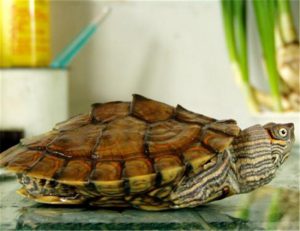
Graptemys pseudogeographica (False Map Turtle)
The false map turtle is a map turtle that is less commonly kept than sliders, needing clean water and a quiet environment. It is omnivorous but especially loves shrimp, and is distinguished by bright yellow markings behind the eyes.

Phormictopus cancerides
The Haitian brown tarantula (Phormictopus cancerides), also known as the Dominican blue tarantula, is native to the tropical rainforests of Haiti and Brazil. It is one of the classic pet tarantula species kept by enthusiasts.

Dog Panting After a Few Steps? Don’t Ignore Heart Trouble
A dog that pants heavily or struggles to breathe after only a short walk may be signaling heart disease rather than mere old age or extra weight. Key warning signs include a sudden drop in stamina, labored breathing at rest, blue-tinged gums, nighttime coughing, and lethargy. Early veterinary diagnosis and daily heart-care management can dramatically slow progression and extend your dog's life.

Leiomyomas in Dogs and Cats
Leiomyomas are benign smooth-muscle tumors that can arise wherever smooth muscle exists, such as the uterus, stomach, intestine, and blood-vessel walls. Dogs are affected more often than cats. Surgical removal is the usual treatment, and follow-up care prevents spread.

Myomas (Rhabdomyomas and Leiomyomas) in Dogs and Cats
Myomas are muscle tumors that include rhabdomyomas and leiomyomas and may be benign or malignant. In dogs the malignant rhabdomyosarcoma is most often seen, with an unclear cause that may be hereditary. They can occur in any muscle-containing organ and are hard to remove once invasive.

Multiple Myeloma in Dogs and Cats
Multiple myeloma is a malignant plasma-cell tumor of the bone marrow that overproduces immunoglobulin and is rare in dogs and cats. Signs include lameness, bone pain, anemia, bleeding, and weakness, with diagnosis by X-rays, bloodwork, and marrow sampling. Treatment is chemotherapy plus infection control.