Search Results
5731 results for “dog ear CT”
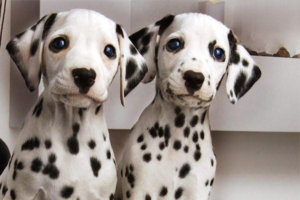
6 Signs Your Dog Isn’t Getting Enough Exercise
A dog's exercise need depends on breed, age, and size. Some dogs play hard outdoors daily; others only stroll the neighborhood—but every dog needs a sensible amount of activity. So how do you know yours is under-exercised? Watch for six signs: destruction (a normally calm adult wrecking the home needs an outlet, not a beating); rough play (an usually gentle dog throwing its whole weight around with others); obesity (too much food, too little movement—common in seniors, though sudden weight gain can signal illness); restlessness (pacing at night, especially in small breeds that still need 10–20 minutes of indoor play); excessive barking (pent-up energy venting as noise); and lethargy (a depressed, uninterested dog). Puppies need several 5–10 minute sessions; adults 30–60+ minutes (or under 30–60 for low-need breeds); seniors 2–3 sessions of about 30 minutes. Remember: for most dogs exercise is a walk, but don't ignore mental stimulation—especially for dogs that can't go out.

How Should Dogs Eat Carrots?
Carrots are a great low-calorie treat for dogs—100 g has only 32 kcal and good palatability, so even a dog on a diet can learn to love them. They are rich in antioxidants alpha- and beta-carotene, which convert to vitamin A, potassium, fiber, and other nutrients. Vitamin A aids vision (especially in senior dogs), immunity, and skin health; vitamin B6 helps turn carbs, fat, and protein into energy; and the high fiber supports healthy digestion and stools. One rule: never feed raw carrots—dogs can't absorb the vitamin A in raw carrots, so it is wasted. Cook them: steaming is best (boiling works too), because breaking the cell walls makes nutrients easier to absorb. You do not need to fry them in oil; carotene is fat-soluble, but absorption happens in the intestine, so any fat already in the meal is enough. Feed in moderation based on size and digestion—a Yorkshire Terrier needs only about 1–2 thin slices a day.

Can Dogs Drink Alcohol?
A dog's body cannot metabolize alcohol, so for a dog, any alcoholic drink is poison. Whether baijiu or beer, the active agent is ethanol; if ethanol is the main threat to a dog's health, the other ingredients are accomplices—the enzymes in wine, for example. Dogs do not 'like' alcohol; from a dog's view these liquids that help humans forget their worries are just odd-smelling substances. After ingestion a dog quickly shows drunkenness: loss of coordination, drooling, racing heart, low temperature, dropping blood sugar, weakness, even coma. Unlike humans (who often die from aspirating vomit), 99% of dogs die from respiratory failure as the body mobilizes everything to break down ethanol, then breathing slows and stops. The best rescue window is 20–40 minutes—get to a vet, do not induce vomiting at home. Even survivors can suffer kidney, liver, or heart failure. Spirits, wine (grapes are toxic to dogs), and beer (most dogs are allergic to hops) are all dangerous.
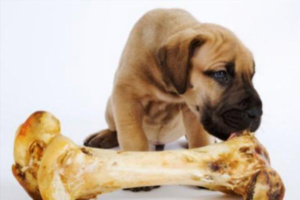
Preventing Autumn Diarrhea in Dogs
Dogs can get diarrhea in any season, usually from poor feeding habits or a habit of chewing whatever they find. Frequent bouts leave the gut fragile and hold back healthy growth, so prevention matters most when the weather turns. In autumn, sharp day-and-night temperature swings, a seasonal rise in infectious disease, and faster food spoilage all raise the risk. A warm sleeping spot, up-to-date vaccinations, and fresh, properly handled food are the three habits that keep a dog's stomach settled through the change of season.

The Secret in Your Dog’s Whiskers
We feel the world with our hands; dogs feel it through smell. But like us, they use more than one sense—and another is their whiskers. The thick hairs on a dog's muzzle, chin, and cheeks are vital: set deeper in the skin, they help the dog read the environment. Like human fingers, whiskers are highly sensitive; their follicles are packed with nerves and blood vessels, giving touch feedback straight to the brain faster than other routes. Studies show half the sensory region of a dog's brain connects directly to its whiskers. Whiskers also sense tiny air currents and vibrations—key to a dog's night vision. Some breeds use them like cats to judge if they fit through tight spaces, and in fights both dogs reflexively flick whiskers forward to threaten. Cutting whiskers does not impair spatial balance (despite the myth), but it does hurt—the follicles are full of nerves—so never cut them for looks.
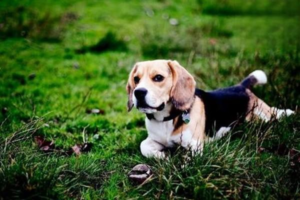
Keep These Cleaning Products Away from Your Dog
Household cleaners carry more hazardous chemicals than you think, and they are far worse for dogs. Dogs spend nearly all their time on the floor, touching cleaners directly and absorbing them through paw pads and skin; even off the floor, their keen noses inhale the toxins. Five chemical groups to watch: ammonia (toxic, irritates the respiratory system; in glass/stainless cleaners, floor wax)—seek vet care if ingested. Chlorine/bleach (vomiting, diarrhea, burns, even seizures; in toilet/mold cleaners, detergent). Phthalates (linked to liver, testicular, pancreatic tumors; in nail polish, hairspray, soap, shampoo—avoid in dog toys). Glycol ethers (liver, nerve, digestive harm; in multipurpose/carpet/glass cleaners, hand soap; even 'natural' ones). Formaldehyde (irritates eyes/skin, slows breathing; in perfume, tissues, hand soap, nail polish). Also avoid 84 disinfectant (bleach-based, corrosive, causes chronic rhinitis).

Your Dog’s Pica (Eating Non-Food) Is Simpler Than You Think
Pica is when a dog eats non-food items. Some dogs fixate on one object; others eat all sorts of strange things. It is dangerous because what they swallow usually stays in the gut undigested or disrupts digestion. Pica is not the same as eating feces—that common behavior is not classified as pica and is no cause for alarm. Causes range from simple hunger, poor nutrition, and hormonal imbalance to diabetes, thyroid disease, and even separation anxiety or stress (some breeds like Labradors are more prone). Diagnosis needs blood, stool, and urine tests, with no guarantee of an answer. Treatment depends on the cause: physical pica with digestive upset may improve by splitting two large meals into 3–4 small ones plus deworming and nutrition; psychological pica needs patient, cumulative retraining. Above all, do not blindly dose supplements—every dog's pica has a different cause.

Why Do Dogs Love to Pee on Car Tires?
Many dog behaviors look strange to us, but behind them lies a consistent 'dog logic.' Adult male dogs lift a leg to urinate, and a car tire seems to magically draw them in to 'mark' it. Urine marks territory and tells other dogs 'I was here'—in short, dog urine is not just a territory tag but an ID card. A male dog urinates on vertical objects 97.6% of its life (fire hydrants, poles, tires) because that is where the 'ID' is best smelled by others, and scent lasts longer on vertical surfaces. Tires are ideal: they carry rich smells—animal feces, food scraps, trash. Once one dog marks a tire, others follow. To redirect this, reward the dog for sniffing without urinating, give it an alternative spot, and keep its attention on you near cars, using a 'leave it' cue with praise and treats until it learns.
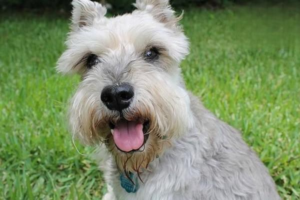
Why Do Dogs Hate Delivery Couriers?
Many dog owners know the scene: whenever a delivery or takeout courier knocks, the family dog turns aggressive and may even attack the innocent visitor. Why does a knock at the door trigger such a loud, fierce reaction? The answer lies in a dog's territorial instinct. Before domestication, dogs strictly defended their territory, warning intruders by barking, then growling, then attacking. Early humans valued dogs precisely as living alarms. Today that instinct remains: when the courier knocks, the dog defends; when the courier leaves, the dog thinks it won. Next time the courier returns, the dog believes its earlier warning was too weak and escalates from bark to growl—and a perceived challenge can turn into a bite. To change this, reward calm behavior at the door with treats, teaching the dog that staying quiet near strangers earns a reward.

Why Your Dog’s Teeth Are Bleeding
Bleeding from a dog's mouth is common and usually mild, but it is worth understanding the cause. Puppies around three to four months old often bleed a little as loose baby teeth fall out — normal, but watch the diet. In adult dogs, bleeding gums usually point to dental disease: tartar sitting at the gum line constantly irritates the tissue and causes gingivitis or periodontitis. Hard objects can also cut the gums, and a lack of vitamin C plays a role. Because persistent bleeding can signal serious dental disease, a veterinary exam is the safe move.