Search Results
5731 results for “dog ear CT”

How to Teach a Dog to Recognize Its Name
The first task after a dog arrives is choosing a name, but at first it doesn't know you're calling it. How do you teach that? Building a close bond and using the name at the right moments, with the right tone, helps a dog learn its name quickly and happily.

What Are the Symptoms of Kidney Disease in Dogs?
Kidney disease comes in two forms, acute and chronic, and kidney tissue cannot regenerate. Once damage is done it is permanent, and signs appear only after two-thirds to three-quarters of kidney function is lost. Early warning signs include changes in urination, increased thirst, lethargy, poor appetite, and digestive upset. Late-stage failure brings severe, unmistakable symptoms. Recognizing these signs early gives your dog the best chance at management and comfort.
Why Does Your Dog Smell So Bad?
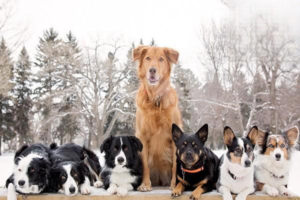
No matter how much you love your dog, the odors it carries can be hard to love. Many owners wonder why their dog smells, and the causes are not always obvious. A bad smell can signal a health problem, from wet-coat yeast and bacteria to ear infections, skin-fold dermatitis, gas, and impacted anal glands. Knowing where the odor comes from helps you treat the root cause instead of just masking it. Regular bathing and grooming, plus simple odor absorbers, can handle everyday smells that are not linked to illness.

Should You Hit a Dog That Won’t Listen?
Every dog owner eventually faces a stubborn pup that does the opposite of what it is told. The instinct to hit can be tempting, but physical punishment rarely teaches good behavior and often backfires. Hitting makes a dog timid, fearful of its owner, or even resentful, leading it to hide, refuse to come home, or act out with revenge behaviors like soiling the house. Instead of raising a hand, build trust by feeding the dog yourself, training patiently from puppyhood with rewards, and bonding through regular companionship and gentle petting. A dog that feels safe and trusted is far more willing to listen.

Common Oral Diseases in Dogs
Many owners struggle with their dog's bad breath and the distress of dental pain. This article shares the common oral diseases behind that odor and how to prevent and treat them. From tartar and gingivitis to periodontal disease, cavities, broken teeth, and malocclusion, understanding the causes is the first step to a healthier mouth.

8 Common Health Issues in Senior Dogs
Aging brings: (1) hearing/vision loss—train hand signals, leash outdoors, pad the home; (2) arthritis (osteoarthritis) in weight-bearing joints causing pain on walks/stairs—vet care; (3) kidney disease, often chronic, with thirst, more urine, nausea, lethargy—manage, not cure; (4) incontinence from organ/muscle/nerve decline—vet check, more walks; (5) obesity raising arthritis/heart/diabetes risk—cut food, keep gentle exercise (walks, swim); (6) dementia (disorientation, anxiety, poor sleep)—meds for quality; (7) lumps/tumors, mostly benign—let the vet judge; (8) cancer, common and varied—regular checkups catch it early. Older dogs need closer diet and exercise management, and more patience.

Winter Dog-Care Tips
Winter care matters. (1) Keep exercise: don't lock the dog indoors for fear of cold—it loses freedom and can get depressed or weak and sick. On a sunny afternoon, leash it to the park for a walk and sunlight that kills coat bacteria. (2) Dress smart: cold-prone small breeds (Chihuahua, Teddy) can wear comfy clothes, but Huskies and Goldens generally should not. (3) Diet: skip 'winter tonics' and rich food—a cold gut handles them poorly and they just add burden. Keep the normal feeding plan.
What You Must Never Feed a Dog
Two clear poisons: grapes cause acute kidney failure, and chocolate's theobromine hits the central nervous system and heart, spiking the pulse to over double and risking coma or death. Also avoid sticky glutinous-rice foods—they cling to teeth and, because dogs bolt their food, can lodge in the throat and softly block the airway, causing choking. To stay safe, just feed formulated dog food, whose recipe is scientifically built for dogs.
Dog Mammary Tumor Removal Surgery
Mammary tumors are common in dogs, especially unspayed females, and rise with age—remove early and always send tissue for pathology. Anesthesia is intubation with inhalation or standard injection, dog on its back. The technique depends on the dog's condition, tumor site, and lymph drainage, with four options: single gland removal (just the gland, or gland plus overlying skin), regional removal (several glands or one lymph chain), unilateral chain removal (whole one side—very effective), and bilateral removal (all glands, for broad or malignant cases, often needing skin reconstruction).

Identifying 6 Ticks on Cats and Dogs
Ticks split into hard (Ixodidae, the important veterinary group) and soft (Argasidae). Hard ticks carry viruses, bacteria, and protozoa and cause tick paralysis and toxicosis. The six: Amblyomma (colorful, often a white 'lone star' spot; three-host); Hyalomma (long mouthparts, eyes, no color; Africa/Asia/Australia, not the Americas); Ixodes (anal groove in front of the anus; main Lyme vector in the US); Rhipicephalus (pseudohead hexagonal, dog-specialized; brown dog tick all stages on dogs); Haemaphysalis (palps wider than long); and Argas (soft tick, granular surface, feeds on birds at night). Know them to manage parasites and disease.