Search Results
5731 results for “dog ear CT”
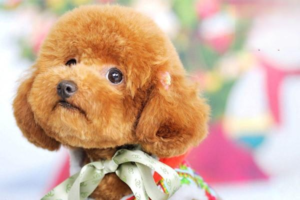
Why Dogs Get Tear Stains and Dirty Fur Around the Eyes
Dog eyes connect to the nose, so when the nasolacrimal duct is blocked or swollen by inflammation, tears cannot drain or evaporate and spill out. Tear stains form when tears and other eye discharge sit uncleaned on the fur and oxidize into dark marks - most visible on light-colored coats. Causes split into innate (flat-faced breeds like Pugs, Bulldogs, Exotic and Persian cats have tight ducts), disease (ear infection, entropion, dacryoadenitis, conjunctivitis), and habits (salty food, overlong fur poking the eye). Clean gently with a boric-acid cotton ball or cool water from the inner corner outward, then apply eye drops; genetic stains need patient, regular care.

Why You Might Consider Genetic Testing for Your Dog
People use genetic testing to screen for inherited disease and confirm family ties; dogs can benefit too. A breed dog's DNA test can flag the risk of more than 130 inherited conditions, confirm whether a pricey puppy is truly purebred, serve as proof of identity if it is lost or stolen, and even predict behavior traits. It is a practical tool for smarter, more personal care.

How to Care for Your Dog in Summer
Summer heat means preventing heatstroke, but some popular 'cooling' tricks backfire. Shaving a dog's coat or bathing it too often raises the risk of skin disease—the coat actually shields skin from sun and bites. Instead, cool the indoor space, use a cooling mat, trim only the paw fur to aid heat loss, walk at dawn or dusk with water on hand, and shift to lighter meals in small portions. Keep the air flowing, set the AC no lower than 26°C, and clear leftovers before they spoil. Smart, gentle cooling helps your dog sail through the hottest months.

Can Dogs Tell Their Owner’s Gender?
Dogs can tell a person's gender, but not by looks—they rely mainly on scent and voice. No matter how an owner's appearance changes, a dog still recognizes them by smell and sound. To a dog, people have no concept of 'beautiful' or 'plain'; looks simply don't matter. A dog's nose holds about 300 million scent receptors—some 60 times more than a human's—and a vomeronasal organ detects the hormones we give off, so a dog can even sense pregnancy, illness, or a menstrual cycle. What dogs care about is who treats them well, because that is what they remember and return.

How to Train Your Dog to Catch Objects Mid-Air
Teaching a dog to snatch a treat out of the air is a fun, bonding trick that builds focus and coordination. The method is gradual: a spoken cue, a slow lob close to the head, and slowly smaller, faster, higher throws until the hind legs leave the ground. Most dogs grasp the basics in a single session with the right pacing.

Why Does My Dog Lick Me?
Dogs lick people for many reasons—affection, hunger, joy, anxiety, or simple habit. As puppies, their mother licks them clean, so licking becomes linked with closeness and love, and a dog may lick you to say 'I like you.' It also gathers information, seeks attention, or appeases you after misbehaving. When stress or anxiety drives constant licking, it can signal discomfort. If you dislike the behavior, train gently without hurting the bond; if licking is excessive, check for underlying worry or illness. Reading the context tells you what your dog is really saying.

How to Train a Well-Rounded Dog
Training curbs a pet's natural scatterbrained ways, turning spontaneous behavior into good obedience through gradual tasks. First understand the dog - its breed, size, temperament and purpose - and match your time, budget and space while limiting nuisance to neighbors. The core is the conditioned reflex: use the dog's natural responses to food, novelty and threat, with consistent commands and gestures, rewarding and reinforcing daily in short sessions (never too much). The only shortcut is practice, patience, consistency and rewards - and exercising together works too.
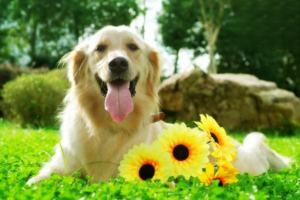
Teaching Your Dog to Recognize Its Name
A good name is short, distinct and consistent. Keep it simple so the dog remembers, avoid names that clash with daily words (a 'Tanghulu' might bolt when a street vendor shouts), never change it once the dog links it to you, and use first/second-tone sounds or a higher pitch since dogs tune into higher frequencies. Build the reflex by calling the name when the dog is focused, then rewarding with praise, petting or treats - the loop 'name plus reward' becomes 'good things happen'. Mistakes: do not repeat the name (it loses meaning), match your tone to the situation (gentle for right, firm for wrong, happy for play), and never yell or the dog learns 'name means punishment'.
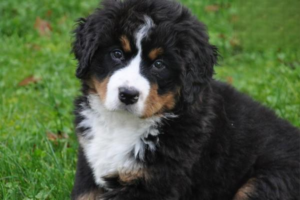
How Dogs Show They Miss You
A dog's nose is its strongest bond to you. When missing you, it hunts your scent around the house, carries your clothes or shoes to its bed to sleep with, and waits by the door at quitting time. Dogs read the world by smell - recognizing you, mapping routes, even telling who passed a corner and when. When you return, an insecure animal that hates being alone shows its love openly: it jumps to be held, burrows into your lap or legs, and licks you. Do not reject the licking - it would only hurt the dog's feelings.
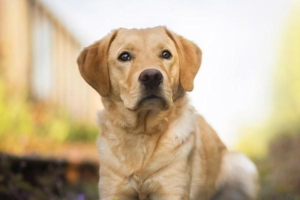
How to Train Your Dog to Catch a Frisbee
Few tricks impress like a dog leaping to catch a flying disc, but the skill is built step by step, not born overnight. The foundation is simple: make the disc exciting, teach a reliable bite-and-drop, and let the dog ride your body as a launch pad before expecting big air. With patience and short sessions, most dogs get there.