Search Results
5731 results for “dog ear CT”

Can Dogs Get Annoyed With Their Owners?
Dogs can grow weary of their owners, but it is less 'annoyance' and more that the owner's interaction style has become a source of stress. Endless hugging, kissing, or disturbing a dog's rest can raise its cortisol level by 27%–42%, leading to refusal to interact, ignored commands, sudden warmth toward strangers, or even furniture-chewing as a silent protest. The remedy is healthy boundaries: learn the dog's 'emotional threshold' signals—yawns, nose licks, a turned back, avoided eye contact—then stop and give it space, keep a predictable routine, and spend quality time outdoors together.

What Happens When You Give Your Dog Away Midway Through Its Life?
Rehoming a dog partway through its life is more common than people admit, yet few realize how deep the psychological wound can be. Most dogs show stress responses such as refusing food, over-grooming, or night barking, and loyal breeds may stop eating even during short boarding. Over time, the trauma can make a dog timid, reluctant to bond with the new owner, or even aggressive and resource-guarding. Some try to escape and find their original home, ending up stray. If rehoming is truly unavoidable, do it early, ease the transition with scent and gradual introductions, and remember that many situations—pregnancy, a busy schedule, a move—have kinder alternatives than giving the dog away.

Do Dogs Get Sad When Abandoned by Their Owner?
Dogs do get hurt when abandoned. They are gentle, sensitive animals that care deeply about their owner, and being left can bring intense loss and loneliness—some even refuse food or sink into depression. The emotional wound runs deep and long. Beyond the heartbreak, a dumped dog may face hunger, abuse, and the hard task of trusting strangers again. Owners should take responsibility for a dog's whole life and never give one up lightly.

Is It Unhealthy to Let Your Dog Sleep in Your Bed?
Letting a dog sleep next to you can hurt your sleep and health. Dogs hear and smell keenly and wake easily at small lights, sounds, or odors, then pace or bark and disturb you. The bacteria they carry can irritate your airways or skin, constant closeness can make the dog overly dependent and anxious, and there is a real risk of accidentally rolling onto or stepping on it. When possible, keep separate sleeping areas; otherwise vaccinate, deworm, bathe, and clean regularly, and move a sick dog elsewhere.

How Do Dogs Learn to Recognize Their Owner?
How fast a dog bonds with its owner varies with age, personality, and how it is raised. To speed things up, give plenty of loving care so the dog trusts and depends on you. A new dog is often wary, so let it first get used to you and its surroundings, then feed it yourself, spend time with it, and play often so it feels loved. Regular routines, gentle patience, small rewards, and daily interaction all help a dog recognize you as its person.
Do Dogs Actually Hate Their Owners?
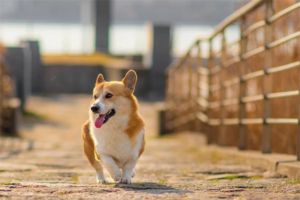
Dogs rarely truly hate their owners; what looks like dislike is usually a response to neglect, coldness, or harsh scolding. A dog that is ignored, criticized, or treated roughly may act aloof, have accidents in the house, or even growl. Often it is simply expressing unmet emotional needs. Pay attention to your dog's feelings, build regular positive interaction, and remember that sudden unfriendliness can also signal pain or illness that warrants a veterinary check.

Dog Panting After a Short Walk? Watch for Heart Trouble
Panting after a brief walk is not always harmless—it can be a dog's heart crying for help. Heat, obesity, and flat-faced breeds pant normally and recover within minutes, but sudden breathlessness at rest, coughing at night, bluish gums, or constant fatigue warrant prompt cardiac screening. Early diagnosis and steady daily care can dramatically slow heart disease.
Signs Your Dog Is Getting Old
A dog's life spans only a little over a decade, and aging creeps in through everyday details rather than all at once. The earliest changes are white muzzles and cloudy eyes, followed by dental trouble, shifting personality, and less stamina. Because organ function declines with age, seniors also show digestive and urinary changes. Spotting these signs early lets you give your older dog the comfort and care they deserve.

What Are the Benefits of Sunbathing for Dogs?
Letting a dog bask in the sun in moderation is a simple way to boost its health and happiness. Sunlight helps the body make vitamin D, which drives calcium absorption and strong bones. It also acts like a natural antidepressant—easing stress, anxiety, and low mood while improving circulation and brain function. UV rays stimulate immune cells so the dog resists infections better, and mild exposure can calm skin inflammation, speed wound healing, and keep the coat shiny by reducing surface bacteria and parasites. The catch is moderation: too much sun, especially at midday, risks dehydration, heatstroke, and even skin cancer. Always offer shade and fresh water, and keep sessions short.

Symptoms and Treatment of Tracheal Stenosis in Dogs
Tracheal stenosis is a common respiratory condition in dogs in which the windpipe narrows and makes breathing difficult, sometimes with a wheezing noise and, in severe cases, suffocation. It does not resolve on its own. Diagnosis relies on a physical exam, listening to the chest, X-rays, and tracheoscopy. Mild cases are managed with medication, while severe ones may need surgery such as a stent or tracheoplasty. Nutritional support, breathing therapy, and a calm, low-dust environment all aid recovery.