Search Results
5731 results for “dog ear CT”

Common Misconceptions About Dog Deworming
Common deworming mistakes include focusing only on external parasites, not understanding the medication, using products too often, ignoring environmental cleaning, and choosing a drug that does not match the parasite. Parasites split into internal and external types with many species, so if your dog is infected, pick the right dewormer for that parasite and use the correct dose. Proper deworming protects both your dog and your family.
Early Warning Signs of Heart Disease in Dogs
Heart disease isn’t only an old-dog problem—clinics see four- and five-year-olds, even two-year-olds, with valve disease or myocardial hypertrophy, especially in small breeds like Toy Poodles and Pomeranians. Early on there are almost no symptoms; by the time coughing, fainting, or a purple tongue appears, the disease is usually advanced. Under the ACVIM staging system, Stage B1 is the “golden window” most owners miss: subtle structural changes with no heart failure yet, showing only quiet behavioral shifts like less activity or a changed sleeping posture. Catching it then—often without medication—can keep a dog stable for life. This article outlines the staging, the early behavioral signs, and the daily care that protects a vulnerable heart.
CoQ10 for Dogs: What to Look for in a Quality Supplement
As pets age, heart conditions such as mitral valve degeneration, myocardial hypertrophy, and dilated cardiomyopathy are a growing concern for dog owners. Once a dog shows frequent coughing, labored breathing, or bluish mucous membranes, the damage is often advanced—so veterinarians commonly recommend CoQ10 as a supportive supplement alongside medication. But supplement quality varies widely, and some products advertise “high potency” while containing almost none. This guide explains how CoQ10 supports the canine heart, the three criteria that separate a real product from a worthless one (transparent content, third-party testing, clinical evidence), and what a sensible daily regimen looks like—always as an adjunct to, never a replacement for, prescribed heart medication.

The Benefits of Swimming for Dogs—and the Details to Watch
Swimming is one of the safest, highest-value exercises for dogs—it cools them off, burns fat efficiently, and, thanks to water’s buoyancy, strengthens muscles without stressing the joints. That makes it ideal for senior dogs with arthritis or conditions like osteochondrosis, shoulder injury, or cranial cruciate ligament damage. But not every dog is built for the water: small, brachycephalic, very young, or timid dogs can choke and panic if thrown in, and flat-faced breeds like French Bulldogs and Pugs face a far higher risk of drowning, aspiration, and pulmonary edema. This article covers the real benefits of swimming, the dogs that should avoid it, the must-do post-swim drying routine, and how to cap session length to keep the heart and body safe.
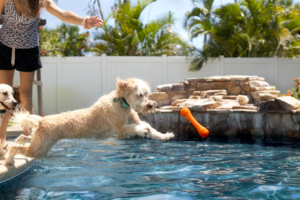
Can Swimming Help a Dog with a Luxating Patella?
A luxating patella—the kneecap slipping out of its groove—is common in small and toy breeds and can cause pain and limping. Swimming is often recommended by veterinarians as part of conservative care because water’s buoyancy supports the body and builds hind-leg muscle without loading the joint. However, swimming is therapy, not a cure: the condition is structural (loose ligaments, a shallow groove, or poor alignment) and cannot be reversed by exercise, medication, or massage. Whether swimming helps depends on the grade—mild cases benefit, while severe grades can be made worse. This article explains the condition, how water therapy fits in, which grades should swim and how, and the daily supports (fish oil, chondroitin, avoiding jumps) that protect the joint.

How to Show Your Dog You Love It (in a Language It Understands)
Dogs may not speak, but their emotional world is rich. Brain-imaging work at Emory University shows a dog's brain reacts to its owner's voice and scent in areas similar to where humans process emotion, so your affection is a real signal your dog can feel. You can speak its language through soft eye contact (which raises oxytocin in both of you), calm pressure-petting, high-engagement play, frequent praise, leaving a scented item in its bed, and keeping a predictable routine. These small daily acts lower stress and deepen the bond far more than words alone.
Can All Dogs Swim? Breeds and Dogs That Should Avoid the Water
Not every dog is born for the water. The familiar “dog paddle” is mostly a panic response that keeps a dog afloat briefly—it doesn’t provide direction, endurance, or safety in currents and deep water, and many sedentary pets tire fast and risk swallowing water or panicking. That said, some breeds with broad chests, long legs, and good muscle—Labradors, Goldens, Poodles, Spaniels, Border Collies—adapt to swimming readily. Others are high-risk: short-nosed breeds (Pugs, French/British Bulldogs, Shih Tzus, Chow Chows) have narrow airways and front-heavy builds that make breathing and balance hard; long-backed short-legged breeds (Corgis, Dachshunds, Basset Hounds) struggle to stay level; senior, fearful, or ill dogs should also stay dry. Never toss a dog in—let it wade in shallow water and cap sessions at about 20 minutes.
CoQ10 for Senior Pets with Early Heart Enlargement: What Owners Should Know
Cardiac enlargement in senior dogs and cats is not a single disease but a compensatory change—thickened heart muscle—that often appears with valve disease or cardiomyopathy. Under the ACVIM system, Stage B (split into B1 and B2) means structural changes are visible on X-ray or exam, yet the pet shows no obvious heart-failure signs, making it the ideal window for early support. CoQ10, a fat-soluble compound naturally made in heart cells, powers mitochondrial energy production and shields tissue from oxidative damage. Because endogenous CoQ10 falls sharply with age, supplementation is one of the most studied, low-cost veterinary adjuncts for cardiac care. This article explains Stage B heart enlargement, why CoQ10 helps, how to choose a transparently labeled pet-specific supplement, and the daily diet, exercise, and recheck habits that protect an aging heart.

Are Teacup Dogs Easy to Care For?
Teacup dogs win fans with their tiny, cute looks and gentle nature, but they're fragile and low-immunity, so they need careful, attentive care. They're sensitive to temperature, so dress them warmly in cold weather, and keep up daily grooming—eye-stain cleaning and coat brushing—to stay clean. Feed a high-quality diet sized to them in controlled amounts to avoid obesity. Though small, their health needs are real: regular vet checks, vaccinations, and deworming are essential. With patience and the right know-how, they bring plenty of joy.

Why Do Dogs Develop Cervical Spondylosis?
A dog can develop cervical spondylosis for many reasons, including genetics, poor nutrition, holding one posture too long, overexercise, age, and environment. Some breeds with unusual body shapes are more prone to it. Long-term calcium deficiency weakens the bones, making the cervical spine easier to compress and injure. Older dogs are also at higher risk because of bone loss and weaker muscles. This article explains the common causes of cervical disease in dogs and what symptoms and home care look like once it is diagnosed.