Search Results
5731 results for “dog ear CT”

What Are the Dangers of a Dog Holding Its Urine Too Long?
Making a dog hold its urine too long can cause urinary crystals and stones, raise the risk of bladder infection (especially in females), and trigger prostate problems in males — sometimes leading to blockage, kidney failure, or blood in the urine. Meet the need promptly, and if you're often away, train indoor elimination.

What Should First-Time Dog Owners Prepare?
First-time dog owners need three kinds of readiness: mental (patience for barking, accidents, and shedding, plus daily time to walk and play), supplies (food, bowls, bed, leash, ID, grooming and cleaning gear, toys, a basic first-aid kit), and know-how (local licensing, basic training, home safety, and routine deworming, vaccines, and grooming).
How many days will a dog be in pain after surgery?
Pain duration depends on the surgery; spay pain eases in hours but may last 3 to 5 days for females. Smaller wounds hurt less; severe pain may need a vet pain shot and careful wound care.
What are the symptoms when a dog has parvovirus?
Parvo signs include lethargy, reduced appetite, persistent vomiting, diarrhea, fever around 40 C, and dry nose, with projectile diarrhea and bloody stool in severe cases. Mortality in puppies is 25 to 50 percent, so see a vet early.

Signs Your Dog Is Too Hot (and How to Prevent Heatstroke)
A hot dog pants with its tongue out, breathes rapidly, eats less, has damp paw pads, lies belly-down, drinks heavily, drools, and licks itself. If the heart rate tops 120–150 or the tongue turns purple, it may be heatstroke. Keep outings to cooler hours, offer shade and water, and trim thick coats.

Why Do Dogs Get Hip Dysplasia
Hip dysplasia (CHD) is a hereditary mismatch between the femoral head and the hip socket, common in large breeds like German shepherds, rottweilers, huskies, labs, and goldens. Signs include lameness, reluctance to move, stiffness, and joint sensitivity, later muscle wasting. Manage conservatively (weight control, limited exercise, joint supplements, NSAIDs) or surgically.

How to Tell If a Dog Has Parvo
Parvo (CPV) causes vomiting, diarrhea (often bloody), appetite loss, fever, and dehydration, especially in unvaccinated puppies. Suspect it with those signs, check for contact with sick dogs, and confirm with a fecal or blood antigen test. Treatment is isolation, symptom control, fluids, and antibiotics to prevent secondary infection.

What to Do About a Dog’s Herniated Disc
Intervertebral disc disease (IVDD) comes from injury, poor exercise, genetics, or lumbosacral abnormalities, and is common in dachshunds, chihuahuas, and corgis. Signs include reluctance to move, abnormal gait, and an arched back. See a vet promptly; treatment is medical or surgical.
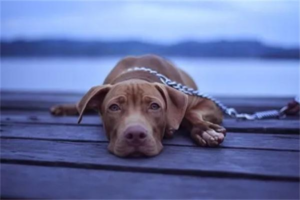
First Aid for a Dog in Shock
Shock shows as fast heart and breathing, weak pulse, pale skin, cold limbs, and lethargy. Keep the dog warm, check pulse and breathing, give rescue breaths if there is a pulse but no breath, and start CPR if there is no pulse. Quick first aid greatly improves the odds.

What to Do When a Dog Keeps Panting Heavily
Heavy panting can signal respiratory disease, heart disease, heatstroke, obesity, anxiety, brachycephalic breed traits, or parasites like heartworm. Note other signs: coughing, fever, or weight loss means see a vet; panting after exercise or heat suggests heatstroke — move to shade, offer water, and cool the paws, belly, and ears.