Search Results
5713 results for “dog ear CT”

What to Do When Your Dog Won’t Eat in Summer
Summer heat saps a dog's appetite for many reasons, illness, stale food, weather, mood, or estrus, so cool it down before worrying. Bathing, AC, and shade help, but avoid overcooling and never shave a healthy coat, which raises skin risks.

Dog Teeth Brushing: Questions Answered
Skipping dental care lets plaque harden into tartar and triggers gum disease, so aim to brush several times a week with dog-safe paste. Learn the proper hold and stroke, and turn to a vet for scaling when buildup is already heavy.

Five Myths About Dog Vaccinations
Good vaccine prep starts with ditching common myths: more diseases per shot isn't better, a healthy look isn't a green light, all vaccines aren't equal, over-vaccinating isn't safer, and leaving right after the shot skips the allergy watch. Match the vaccine to your dog's age and antibody levels, and stay 30 minutes post-shot.

How to Identify Dog Skin Problems
Dog skin disease is common and has many causes. The big three are external parasites (fleas, lice, ticks), mange mites (demodectic and sarcoptic), and allergies (acute or chronic) — each with distinct signs, and a vet confirms mites or infection under the microscope before you treat.
Dry Nose and Runny Discharge in Dogs
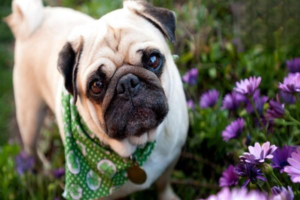
A dry nose alone is not proof of sickness, nor is a wet one proof of health, but the type of discharge matters. Clear runny nose with normal spirit suggests a mild cold, while yellow-green pus with other signs points to bacterial infection or even distemper.

How to Protect Your Dog’s Paws in Winter
Dog paw pads handle cold better than you think thanks to a special circulation that warms them, so boots are more about keeping clean than warm. The real winter enemies are wetness, hidden sharp objects, de-icer, and dry cracking, so dry paws after outings and moisturize as needed.

Why Is My Dog Coughing and Sneezing?
Coughing and sneezing usually mean a cold, but they can also signal kennel cough, pneumonia, or serious infections like distemper and parainfluenza. Rule out contagious disease at the vet before treating it as a simple cold.

Spring Care Tips for Dogs and Cats
Spring warms things up but also kicks off parasite and disease season, so make deworming, coat care, and early infection watch your priorities. Keep the environment clean, brush daily through the shed, and see a vet fast at any sign of lethargy, vomiting, or discharge.

What to Do When Your Dog Sneezes
A dog sneezing can mean a cold, an allergic or irritant reaction, plain excitement, or — most importantly — an infectious disease like distemper or parainfluenza. Because early distemper mimics a cold, see a vet when in doubt rather than guess.

Why You Shouldn’t Feed Dogs Table Scraps
Table scraps — human leftovers — smell great to a dog but are junk food nutritionally: unbalanced, heavy in fat and carbs, laced with salt and seasonings, and hard to digest. They drive obesity and chronic disease, and dogs outlived the 'leftovers era' only once commercial food arrived.