Search Results
5720 results for “dog ear CT”

What to Do When Your Dog Has a Cold and Cough
Caring for a dog is like raising a child - feeding, shelter, and sickness all fall to you, and the common cold is near the top of the list. A dog with a cold looks defeated: ears down, eyes shut, motionless in the bed, with a rising temperature (adult dogs run below 39.2C, puppies 38-39C; above 39C means fever). It also coughs, has a runny nose, red conjunctiva, poor appetite, and shivers from the cold. Do not bathe a sick or coughing puppy - bathing strips a protective layer and lowers immunity. Keep the sleeping area warm with a blanket or hot-water bottle, dress the dog for walks, and keep the bed out of drafts. For the cough and runny nose, a half-packet of children's cold granules three times a day for about a week helps; dog-specific supplements are an option too. Feed nutritious food like beef and vegetables to build resistance, and catch illness early.

How to Tell if a Black Wolf Dog Is Purebred
By looks and temperament, a pure black wolf dog has bright eyes (black as a pup, light red or orange as an adult), solid glossy black coat, a strong balanced build with heavy bone and muscle, and a curious, somewhat fierce but deeply loyal nature. The surest proof is pedigree papers from a reputable source, with expert or DNA help when needed.

Signs of Overexertion in Dogs
An overexerted dog may pant with tongue out, lie limp and unmoving, lose appetite, and in severe cases become dehydrated. Long-term over-exercise leads to weight loss and lethargy. Control exercise by breed, size, age, and fitness; puppies need under 30 minutes daily without intense activity, and dogs with joint or heart disease should only walk.

What Can a Teddy Bear Dog Eat to Gain Weight?
Healthy weight gain comes from nutritious, balanced food—add lean meat, beef, eggs, and fish for protein and muscle; olive, fish, or coconut oil for fatty acids and energy and coat quality; split meals into 4–5 daily to raise intake. Encourage moderate exercise for appetite and digestion, and deworm and check regularly to rule out parasites or gut disease.

How to Remove Strong Dog Odor from Your Home
Dog body odor, waste smell, and unwashed supplies cause home odor. Bathe and groom the dog regularly; clean and disinfect its belongings; ventilate; clear shed hair; train outdoor toileting. If accidents happen indoors, use apple cider vinegar or baking soda after cleaning.

What to Do When a Dog’s Seizures Become More Frequent
When seizures grow frequent, see a vet to find the cause and a medication plan; tests like blood work or EEG may be used. Anti-seizure drugs such as diazepam or phenobarbital control episodes—give them on schedule, never change dose or stop on your own. Watch diet, sleep, and exercise for triggers, and avoid highly stressful or excited environments.

What Are the Symptoms of a Dog in Heat (Estrus)?
Male dogs in heat: frequent urination to mark territory; strong interest in females; restlessness and agitation; mild aggression; attempts to escape. Females: vaginal bleeding or discharge; raised tail exposing genitalia; clinginess and interest in males; possible appetite loss and anxiety. During heat, leash tightly to avoid mating or fights. If you don't plan to breed, consider spaying/neutering to avoid health and breeding risks.

Why Does My Dog Keep Licking Its Private Area?
Frequent licking can have many causes—handle by the cause. Heat, urinary tract infection, reproductive inflammation, poor nutrition, or anxiety can all cause it. Keep the environment clean, monitor health, give balanced diet, and add company. If you see red/swollen urethra, or abnormal urination like pus, blood, or retention, see a vet.

Why Dogs Lose Appetite and What to Do
Dogs may refuse food for many reasons - unpalatable meals, physical discomfort, indigestion, illness, internal parasites, or being in heat. Identify the specific cause and respond accordingly. If the problem is food- or stomach-related, adjusting the diet and aiding digestion usually helps; if it is illness, prompt veterinary care is needed.
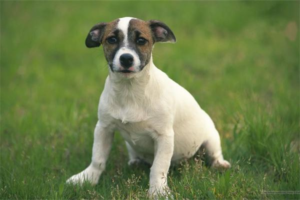
How to Tell If Your Dog Has Roundworms
Roundworms show as constipation or diarrhea (sometimes worms in stool), poor appetite, nausea, weight loss, dry coat, and itchy skin. A vet confirms by fecal exam, clinical signs, or ultrasound when heavy. Deworm with the right drug, keep a regular schedule (pups monthly, adults every 3 months), and maintain hygiene and diet control.