Search Results
385 results for “dog drool”

Is a Dog Drooling Mucus a Sign of Distemper?
Is dog drooling mucus a sign of distemper? Many owners fear distemper when they see mucus from the mouth, but is it 100% certain? Actually no - drooling is only one symptom of distemper. Owners can check for other distemper signs or do a distemper test strip before judging. Many other things cause drooling: oral inflammation, stomach discomfort, and teething puppies all drool; judge by the symptoms.
Why does my dog drool?
Reasons split into physiologic (heat, food, teething) and disease (stomatitis, periodontitis, ulcers, infectious). In heat, saliva evaporates to cool. If constant or with other signs, see a vet.
Why Is My Dog Drooling Thick Saliva?
A dog drooling thick saliva can have different causes, including irritating food, oral infection, and dental problems. Clean the mouth and check; if drooling continues, consider oral disease needing spray and antibiotics; see a vet if no relief.
Why does my dog drool in its sleep?
Drooling while sleeping has many causes. Sleep posture with the tongue out makes it more common, and dreaming of food can stimulate saliva. Mouth problems or illness can also cause it. Watch the dog's condition and see a vet if abnormal.
Why is my dog drooling?
Many causes: fear, excitement, cooling, oral disease, poisoning, rabies. Fear brings drooling, hiding, shaking—comfort the dog. Oral disease (gingivitis, ulcers) causes drooling with odor. If drooling comes with light/water fear, aggression, seizures, it may be rabies—keep distance to avoid injury.
Why is my dog drooling thick saliva?
Thick drool can come from irritating food stimulating the mouth lining, or oral infection and other mouth problems. Clean the mouth; if drooling persists or with other signs, see a vet for the cause.
Why is a dog drooling?
Drooling can be normal in hot weather or when tempted by food, but it may also signal a mouth foreign body or oral disease. Lethargy or loss of appetite means a vet visit is needed.
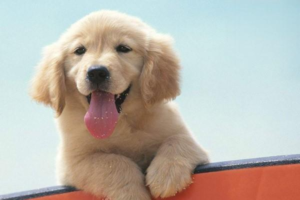
Why Is Your Dog Drooling So Much?
A dog that drools a lot is not always just greedy. Drooling has many causes, and often it is a signal of illness worth noting. It may be dental problems or teething, a throat obstruction or injury, fear and anxiety, overheating, old age, or even car sickness. Most drooling is normal behavior, but if disease is suspected, see a vet.

Understanding Why Dogs Drool and Have Bad Breath
The most basic reasons for drooling and bad breath are periodontal disease, from tartar around teeth causing periodontitis, eventually possibly tooth loss; take extra care.

Does Dog Teething Cause Heavy Drooling?
Drooling and a little bleeding in a teething dog are normal — new teeth constantly stimulate the salivary glands, and an unsteady bite from growing teeth adds drool. Watch for a retained baby-tooth double row and have it pulled after teething. Also note calcium shortage (shaking, drooling, double rows, even lameness if severe — add shrimp, kelp, tofu, calcium tablets) and mouth issues from messy diet or poor hygiene (ulcers, stomatitis, red gums, odor — clean after meals, brush 2–3 times a week, add B and E vitamins).