Search Results
159 results for “dog digestion”
What to Do When Your Cat or Dog Has Chronic Constipation, Diarrhea, or Indigestion
About 60 to 80 percent of a cat or dog's immune system resides in the digestive tract, and a healthy gut is the body's first line of defense against pathogens and toxins. When the intestinal flora falls out of balance, pets frequently develop constipation, diarrhea, and poor digestion and become far more prone to illness. Diet, stress, medications, and a naturally smaller microbiome all influence gut health. Probiotics can help restore balance, but most beneficial bacteria are destroyed by stomach acid or by heat during food processing. This guide explains why gut balance matters, what disrupts it, and how to choose a heat- and acid-resistant, high-activity probiotic that actually survives to reach the intestines where it is needed.

How to Manage Chronic Indigestion in Dogs
Recurring indigestion in dogs is often linked to poor diet, food allergies, or conditions like gastroenteritis. Managing it starts with the right food: choose an age- and health-appropriate dog food, avoid greasy, spicy, or irritating human foods, and add vegetables, fruits, and fiber to support gut movement. Probiotics or digestive enzymes can aid digestion, while clean bowls and fresh water prevent contamination. Feed smaller, more frequent meals, transition diets gradually, and take your dog for a gentle walk about half an hour after eating to stimulate the gut. Persistent or worsening signs warrant a veterinary visit.
How to Quickly Relieve Dog Indigestion (Food Bloat)
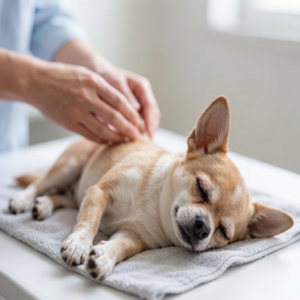
Dog indigestion, or food bloat, is a common digestive problem that can bring vomiting, diarrhea, and lost appetite. A pet probiotic aids digestion and nutrient uptake, while small frequent meals prevent overeating. Avoid greasy, spicy, or hard foods and too much meat; choose light, easy-to-digest meals. Gently massage the abdomen to help movement and ease bloating. If severe bloat brings abdominal swelling, vomiting, breathing trouble, or diarrhea, seek veterinary care at once, as it can lead to gastroenteritis.

What to Do When Indigestion Causes Your Dog to Vomit
Indigestion is the top cause of dog vomiting, and severe cases bring mucus, stomach fluid, undigested food, even blood and diarrhea. Causes are unclean food or bowls, overeating, and sudden food switches. Fix hygiene, fast one to two days then feed bland food, and use a probiotic after a switch.
What medicine should I give my dog after it vomits?
Occasional vomiting from hunger or overeating needs no drug; try small bland meals or probiotics after a short fast. Frequent vomiting needs a vet to rule out serious causes.
Can dogs eat pineapple?
Dogs can eat a little pineapple for its vitamins and digestive benefits, but portion control matters. Some dogs are allergic, so skip it if your pet reacts badly.
Can dogs eat cooked egg white?
Cooked egg white is a healthy protein source in moderation, but too much avidin can block vitamin uptake and cause indigestion. Feed it sparingly.
Do dogs fart?
Yes, dogs fart. Common causes are too little exercise, eating too fast, or fermentable foods. More activity, a slow-feeder bowl and probiotics help.

What to Feed a Dog Recovering from Diarrhea?
During recovery from diarrhea, feed easily digested, high-carb, low-fat foods such as plain rice, broths, boiled chicken, cooked vegetables, and yam, in small frequent meals. Add probiotics or a gastrointestinal prescription diet, and avoid greasy, spicy, caffeinated, or allergenic foods; see a vet if symptoms persist.

Why Is Your Dog’s Stool Dry and Came Out in Pellets?
Healthy dog stool is a soft, formed log; dry, pellet-like droppings usually mean the gut is short on water. Common triggers are low water intake, a diet too high in protein, fat, or fiber, slow digestion, a dry environment, low activity in seniors, or drug side effects. Left alone it can lead to constipation, so boost hydration and add fiber-rich pumpkin or banana to keep things moving.