Search Results
292 results for “dog dermatitis”
What happens if perfume is sprayed on a puppy?
Perfume makes a puppy sneeze and breathe hard by irritating its keen nose, and may cause allergic skin rash. Untreated licking leads to dermatitis.
How Combined Spot-On Parasite Treatments Work
Parasite control is now routine for most pet owners, but choosing among crowded products is hard. Combined internal-and-external spot-on treatments have become the top pick because one monthly application covers many parasites. This guide explains why prevention matters, how a combined spot-on works through the ingredient pair imidacloprid plus moxidectin, and how to apply it safely and conveniently. Quality products are gentle, clearly labeled, and free of harsh additives—making professional-level prevention practical for ordinary homes. Always confirm the right product with a veterinarian.
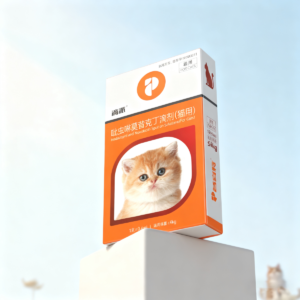
Cat Deworming: A Beginner’s Guide
Choosing a cat dewormer confuses many new owners, and a wrong pick can fail to work or even cause allergy, gut irritation, or liver damage. The good news is that careful, budget-friendly choices are possible. This guide explains why indoor cats still need deworming, how a combined internal-and-external spot-on (imidacloprid plus moxidectin) works, the correct application steps, and the three myths to avoid—including that dog products can be toxic to cats. Regular, correct deworming protects both cat and family.

Lop Rabbit
The Lop Rabbit — one of today's most popular pet rabbits — is named for its ears that hang down. Gentle, small, and people-friendly, it is short-lived (usually 5–7 years) and heat-sensitive, needs daily grooming of its dense coat and drooping ears, and must never be picked up by the ears.

Canine and Feline Nasolacrimal Duct Obstruction (Epiphora)
Nasolacrimal duct obstruction blocks normal tear drainage in dogs and cats, causing chronic epiphora (tear overflow) and facial staining. Congenital duct atresia usually needs surgical correction, while acquired obstruction from conjunctivitis or injury is managed by treating the underlying cause.

Canine and Feline Schistosomiasis (Blood Fluke Infection): Symptoms, Treatment, and Prevention
Schistosomiasis (Japanese blood fluke disease) is a zoonotic infection caused by Schistosoma japonicum living in the portal-mesenteric veins of mammals and people. It causes anemia, diarrhea, and ascites, and is treated with schistosomicides.

Canine and Feline Strongyloidiasis: Symptoms, Treatment, and Prevention
Strongyloidiasis is caused by the threadworm Strongyloides stercoralis, infecting dogs, cats, foxes, humans, and other primates. It causes dermatitis, pneumonia, and enteritis in young animals and is treated with anthelmintics.
What happens if a puppy is bathed too often?
Over-bathing strips the skin's natural oils, causing dry coat, hair loss, dandruff, and itching, and can lead to eczema or dermatitis. It also washes away the dog's scent and raises the risk of colds in puppies with weak immunity.

What to Know About Flea Prevention for Pets
Fleas harm not only pets but the whole household. Few things ruin summer fun like these tiny, nearly invisible parasites that plague pets and their owners.

Cat Deworming: Methods and Timing
Parasites are among the few cat illnesses you can actually prevent. A regular deworming schedule protects your cat — and since many parasites are zoonotic, it protects you too. Here is what to know about internal and external parasites and when to treat.