Search Results
292 results for “dog dermatitis”

Why Is Your Dog’s Paw Swollen?
A swollen paw can stem from many causes — a sprain or knock, interdigital dermatitis, bacterial or fungal infection, parasites, or allergies. Check the paw for wounds or infection; clean and treat minor cuts promptly, use antibiotics for serious infection, and see a vet if you can't pin down the cause.
Watch Out: Common Food Allergens for Dogs
Common dog food allergens include beef, chicken, dairy, grains (wheat, rice, corn), legumes, lamb, and eggs; reactions can show as skin redness, itching, rashes, hair loss, soft stool, diarrhea, vomiting, eye redness, tearing, sneezing, or runny nose, and in severe cases can be fatal. To find the culprit, start with an ultra-hypoallergenic commercial diet, then add one new ingredient at a time and watch for 1–2 weeks, stopping any that triggers symptoms.

How to Choose a Skin Spray for Your Dog
Skin problems flare up in warm, humid weather, and a good skin spray is one of the most practical items for a dog first-aid kit. Rather than chasing the cheapest or most advertised product, owners should judge a spray on ingredient safety, the right target for the infection, and the maker's track record. This guide explains when a spray helps, what to look for on the label, and the daily habits—dry bedding, clean toys, avoided puddles—that do more to stop recurrence than any bottle. Sprays are for mild care and prevention, not severe disease.

Why Does Your Dog Keep Licking Its Paws?
Frequent paw licking can be boredom, an early sign of interdigital dermatitis or skin infection, a wound, or damp 'athlete's foot'. Long paw fur that stays wet breeds bacteria and leads to interdigital inflammation, so trim and dry the fur and clean the paws after walks. Check for cuts from stones, thorns, or glass, and for parasite or yeast infections that itch. If the paws look normal, the licking is likely boredom, and more playtime helps prevent the loneliness that can slide into depression.

The Benefits of Swimming for Dogs—and the Details to Watch
Swimming is one of the safest, highest-value exercises for dogs—it cools them off, burns fat efficiently, and, thanks to water’s buoyancy, strengthens muscles without stressing the joints. That makes it ideal for senior dogs with arthritis or conditions like osteochondrosis, shoulder injury, or cranial cruciate ligament damage. But not every dog is built for the water: small, brachycephalic, very young, or timid dogs can choke and panic if thrown in, and flat-faced breeds like French Bulldogs and Pugs face a far higher risk of drowning, aspiration, and pulmonary edema. This article covers the real benefits of swimming, the dogs that should avoid it, the must-do post-swim drying routine, and how to cap session length to keep the heart and body safe.

After the Swim: Preventing Ear Infections, Skin Trouble, and Tummy Upsets in Dogs
Swimming is a great low-impact workout that cools dogs off and supports their joints—but skipping the clean-up afterward can lead to three common problems: ear infections, skin irritation, and digestive upset. A dog’s L-shaped ear canal traps water that shaking alone won’t fully remove, creating a warm, moist space where yeast and bacteria thrive. Thick or double coats that aren’t fully dried breed the same trouble on the skin. And a cold abdomen plus post-swim air conditioning or ice water can upset a sensitive gut. The fix is simple: clean and dry the ears, blow-dry the coat layer by layer (especially armpits, belly, and paw folds), and let the dog rest before any AC, cold water, or rough play—offering a probiotic if its stomach is delicate.

Dog Skin Redness and Hives: A Recovery Case
After a day outdoors, a dog came home with a large red, itchy rash on its belly—likely bacterial eczema or allergic dermatitis/hives. Left unchecked, such redness spreads fast and itches intensely. With an antimicrobial skin spray, zinc oxide ointment, and an oral antihistamine, the redness faded within a few applications. Catch it early and see a vet if it spreads.
How Often Should You Bathe Your Dog in Summer?
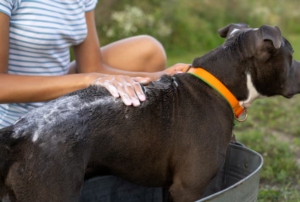
Bathing your dog once a week is usually too often. A dog's skin relies on its sebum layer to stay moist and protected; over-bathing strips it, causing dryness, worse odor, and skin infections. Frequency should follow coat type and lifestyle—indoor small dogs may need only every two to three weeks, while active outdoor dogs can go weekly. Between baths, wipes, toothbrushing, and ear care keep odor down.

How to Care for Your Dog in Autumn
Autumn's cool, dry, changeable weather feels great to us but asks for a few adjustments in dog care. Fatigue from summer, dropping temperatures, and dry air all affect a dog's body, coat, and digestion. A few simple habits around food, grooming, exercise, and disease prevention keep your dog comfortable through the season.

How to Walk Your Dog on Rainy Days
When your dog is climbing the walls from being stuck indoors, a rainy day need not mean no walk. Clever owners manage with waterproof booties and raincoats in every size and color, or use a basement or hallway for a quick emergency potty break - leashed, supervised, and with waste cleaned up so you do not disturb others. The key after any rain: dry the coat to prevent skin trouble and wipe the paws to avoid interdigital dermatitis between the toes.