Search Results
124 results for “dog dandruff”

Why Does My Dog Have Increased Dandruff?
Dog dandruff can rise from poor nutrition, dry air, over- or under-bathing, skin infections, parasites, or endocrine disease—each needing a different fix. If flaking is heavy or unexplained, see a vet for a targeted diagnosis; day to day, feed a balanced diet and use a proper pet shampoo.

Why Does Your Dog Have More Dandruff
Increased dandruff in dogs has many possible causes: dry climate, over-bathing or harsh products, low fat intake, poor nutrition, too much dietary salt, or an underlying skin condition. The right response depends on the trigger. In dry weather, add water and a soothing moisturizer; with a skin disease, a proper diagnosis and treatment are needed. Because the skin reflects overall health, identifying the root cause is the key to relieving flaky, itchy skin and keeping the coat healthy.

Why Does Your Dog Have White Dandruff
Some white flakes are normal daily skin turnover, but heavy dandruff with itching, hair loss, bumps, or redness signals a problem: dry skin, fungal or bacterial infection, parasites, allergies, poor nutrition, or over-bathing. Keep the skin moisturized, bathe gently no more than weekly, deworm on schedule, and improve the diet with fatty acids and vitamins. Persistent or worsening flakes need a vet skin scrape to diagnose and treat.
My dog’s skin condition won’t heal despite treatment with compound ketoconazole cream, a herbal skin-soothing lotion, B-complex vitamins, and antibiotics (photos attached); it still has red spots, scabs, dandruff, and a slight odor, and I can feel a roughly 1cm hard lump on its chest (photo shows the spot)
Skin disease can't be diagnosed by appearance alone, so if treatment isn't improving or keeps recurring, stop the medication and take your dog to a vet for proper testing. Using the wrong drugs can lead to drug resistance and further damage the skin, so targeted treatment based on a confirmed diagnosis is the best path to recovery.

Three Easily Missed Skin Diseases in Dogs
Allergic dermatitis, seborrhea, and interdigital dermatitis appear stealthily and are noticed only when severe. Here we explain them so owners can prevent them.

What Is Food Allergy Dermatitis in Dogs?
Food allergy dermatitis is itchy dermatitis from allergy to certain foods, additives, or ingredients. Any age can get it, but under-1 dogs more often. What are its symptoms and how to know? Read on.

What Does Dog Malnutrition Lead To?
Malnutrition brings bad breath, heavy shedding, dull coat, low weight, and skin issues. Diagnosis needs a vet exam (urine, blood chemistry, CBC). Balance nutrients carefully—limit salt for heart disease and watch calcium and phosphorus for kidney health.

How to Improve Your Dog’s Coat
A dog's coat shows health and looks, so owners work hard to beautify it. Here is how to make a dog's coat prettier.

Common Dog Diseases in Autumn
The autumn equinox has passed—autumn is here. As it cools and day-night temperature gaps widen, dogs change too (seasonal shedding). Autumn needs extra care or disease strikes. Here are the common autumn dog diseases.
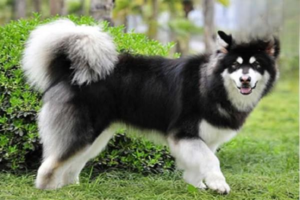
Why Is My Dog’s Skin Turning Black
Skin issues plague many owners—dogs easily get them, in many types. An owner asked why their dog's skin turned black. Here are the reasons and some prevention tips.