Search Results
192 results for “dog coronavirus”

How to Prevent Dog Diseases in Spring
In spring all things revive and microbes hidden in corners become active, so spring is also a season of high disease incidence.

What ‘Flipped Intestine’ (Intussusception) Means in Dogs
Among dog keepers you often hear 'flipped intestine disease.' It mostly hits puppies — deep depression, frequent vomiting, tarry mucus stool, arched back, constant moaning, high death rate.

Dog Constant Dry-Heaving with White Foam
A dog that keeps dry-heaving and vomiting white foam can be a minor or serious issue - neither should be ignored. Here are the causes and what to do.
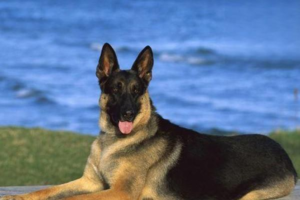
Why Do Cats and Dogs Vomit
There are many causes of vomiting in cats and dogs, and it can be either physiological or pathological. Frequent vomiting is usually disease-related. Here is a detailed explanation.

Dog Diarrhea: Causes and Treatment
Healthy dogs pass firm, brown stools one to two times a day. Diarrhea — loose, watery, or bloody stools with a strong odor — signals an underlying problem. Causes range from mild dietary upset to infections, parasites, IBD, and other diseases, so persistent or severe cases need a vet.

How to Treat Canine Coronavirus Infection
Canine coronavirus infection, also called canine coronavirus diarrhea, is an acute infectious disease caused by canine coronavirus, mainly characterized by vomiting, diarrhea and dehydration in dogs.

Why Do Dogs Vomit Sometimes Like Chewing Cud (Rumination)?
Dogs cannot ruminate. If a dog seems to 'chew cud,' it is actually sick. Rumination is a behavior of plant-eaters like cows and sheep; dogs lack the organs for it. What looks like rumination is really vomiting.

What to Do When Dogs and Cats Have Diarrhea? Keep These Fast Antidiarrheals on Hand
The medical term for diarrhea is diarrhea, which usually refers to changes in bowel habits and stool characteristics, generally manifested as frequent defecation, increased stool volume, loose stools, and bloody stool. Most diarrhea in dogs and cats is caused by gastrointestinal discomfort, but it may also be a concurrent symptom of other diseases. Today we discuss knowledge about diarrhea in dogs and cats.

What Is Canine Coronavirus?
Canine coronavirus may be unfamiliar by name, but its signs mirror gut trouble — and they closely resemble parvovirus. So what exactly is this disease? Here is a clear introduction.

How to Diagnose and Treat Canine Coronavirus
Canine coronavirus looks a lot like parvovirus, so how do you tell them apart? Beyond the signs, lab tests — electron microscopy of stool or a proper CCV test strip — confirm it. Learn the diagnosis points and treatment.