Search Results
272 results for “dog cold”
What Are the Symptoms of a Dog Cold?
Dog cold symptoms mirror those of cats and people—mostly upper-respiratory: sneezing, runny nose, cough, and fever. A bacterial cold usually comes from getting chilled (sudden temperature drops, high humidity, or a wet coat after a bath) and is often mild, sometimes needing only simple care; with Bordetella infection a dog will cough. A viral cold demands attention—the top suspect is distemper, whose signs span the respiratory, digestive (vomiting, diarrhea), nervous (loss of balance, head tilt, tremors, seizures), and skin (pustular rash, thickened nose/paw pads) systems. Know the difference so you can act fast.

Which Dog Breeds Tolerate Cold Best?
Breeds with strong cold tolerance include Labrador Retriever, Tibetan Mastiff, Alaskan Malamute, Samoyed, and Husky. Their dense coats and thick fat layer shield them from cold and keep them comfortable in winter, but they are prone to heat and need cooling in summer. Owners should not overestimate this trait, since a cold-tolerant dog raised in warm regions may lose some of its resistance.
Why Dogs Drink Less in Cold Weather (and Why It Matters)
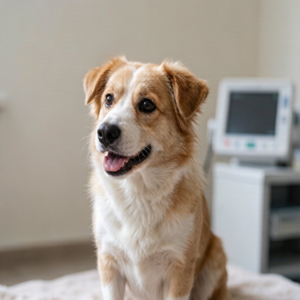
As temperatures drop, many dogs drink far less, but winter dehydration is no minor issue — it can concentrate urine, form mineral crystals, and lead to urinary tract infections, stones, or even blockages. Low water also slows digestion and causes constipation, strains the kidneys, and thickens the blood, burdening the heart. A healthy adult dog needs 40–60 ml of water per kg daily, and no less than 30 ml/kg in winter. To encourage drinking, offer warm water (28–40°C), add a splash of something tasty like broth, place bowls around the home, use a flowing fountain, and boost activity on sunny days so your dog drinks after exercise.
How to Tell Whether Your Dog Has a Cold or Distemper
A dog's ordinary cold and canine distemper can look alike at first, but they are very different problems. A simple cold brings runny nose, sneezing, fever, and cough from a viral or bacterial respiratory infection and is usually easy to treat. Distemper, by contrast, is a highly contagious and stubborn disease whose early sign is often a cold-like state; warning signs include diarrhea, bloody stool, vomiting, thick pus-like discharge from the eyes and nose, lethargy, and shivering. Distemper is far more dangerous, especially in puppies, and belongs in the hands of a veterinarian. The best defense against distemper is routine vaccination and avoiding unvaccinated groups during outbreak seasons.
Treating a Dog’s Vomiting from a Cold
When a dog vomits due to a cold or viral infection, treatment focuses on relieving fever, fighting secondary infection, and good nursing. Fever above 39°C can be eased with a mild injectable analgesic-antipyretic such as Bupleurum injection, dosed by size. Secondary bacterial infection is treated with penicillin or other antibiotics like cephalosporins or fluoroquinolones, preferably by injection. Keep the sick dog warm and well-nourished.

Colds in Dogs and Cats (Upper Respiratory Infection): Symptoms, Treatment, and Prevention
A 'cold' in dogs and cats is an acute illness of the upper respiratory tract marked by nasal discharge, rapid breathing, and fever. It is often highly contagious and viral in origin, and is managed with supportive care and, when needed, antibiotics for secondary infection.
My dog has yellow watery stool, seizures, and feels cold — what’s wrong?
A dog with yellow watery stool and continuous seizures is mainly considered poisoning or canine distemper virus infection. A cold body means it has lost body heat; keep it warm promptly and take it to a vet quickly to find the cause and treat it. If poisoned, give fluids promptly to metabolize the toxin and protect the liver and kidneys. If you know what toxin it ate, use the corresponding antidote.
What medicine can I give my dog for a cold?
Use a dog-specific cold medicine when possible. Here is guidance on safe use and when to avoid human drugs.
What should I do if my dog catches a cold?
A dog cold can be caused by chills or viral infection. Here is how to treat it and when to see a vet.
What happens if my dog is vaccinated while it has a cold?
Vaccinating a dog with a cold risks infection and weak immunity. Wait 2 weeks after recovery. Here is the guidance.