Search Results
234 results for “dog care tips”
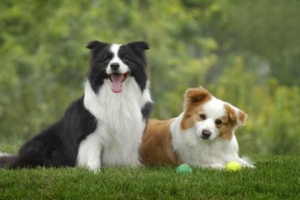
Tips to Prevent Heatstroke in Dogs
Although it's nominally autumn, some places are still very hot. Heat is hard on dogs because they don't sweat and can't regulate temperature, expelling heat mainly through rapid breathing, so they are especially prone to heatstroke. Today we explain how to prevent dog heatstroke.

What to Do About Recurring Dog Stomatitis
Dog stomatitis mainly comes from poor feeding and poor oral care. Though not a big disease, it affects nutrition and health. For mild cases, no drugs—use measures to ease pain. Here are care tips.

Why Does My Dog’s Urine Smell Bad?
A sudden strong, foul urine odor in a dog that normally smells mild usually points to dehydration, a urinary tract problem, a rich or salty diet, or a heat cycle. Increasing water, controlling diet, and timely neutering resolve most cases, while pain or frequent urination needs a vet.

What Are the Symptoms of Asthma in Dogs
Dog asthma is an allergic airway disease causing cough, wheeze, and breathlessness. Tell it from snoring by the high-pitched wheeze; triggers include dust, smoke, and perfume. Keep the air clean, cool, and see a vet fast.

Can You Bathe a Dog in Heat
Avoid bathing a dog in heat, especially females, since low immunity and an open uterus raise infection risk. Wipe with a warm towel instead, keep her leashed, fed well, and see a vet if planning to breed.

Walking Your Dog in the Snow
Northern winters snow; after days, snow piles on roads, even cars must be careful. Walking dogs in snow needs extra care. Here are the tips.

How Important Is Keeping Your Dog Warm in Winter
Puppies, sick dogs, seniors, and pregnant or nursing dogs need extra warmth; other dogs are not very cold-sensitive while active, but in cold regions you must still insulate the dog house, bed, and crate. Cold weather also cuts appetite for clear reasons: less exercise slows digestion and causes food to sit; shorter walks lower calorie need; colds and flu suppress appetite; and cold or frozen food and water cause diarrhea. Protect your dog by expanding indoor space when walks are impractical, dressing puppies or dogs in cold spots, serving warmed food and water (never cold), avoiding overfeeding, drying the coat fully after baths, and walking at the warmest midday hours. New winter dog owners should be especially careful with warmth, clean bedding, and not overfeeding sleepy puppies.

How to Remove Strong Dog Odor from Your Home
Dog body odor, waste smell, and unwashed supplies cause home odor. Bathe and groom the dog regularly; clean and disinfect its belongings; ventilate; clear shed hair; train outdoor toileting. If accidents happen indoors, use apple cider vinegar or baking soda after cleaning.

Why Your Dog’s Coat Loses Its Shine
A dull coat often signals health or care problems—poor diet, lack of sunlight, bad washing habits, or simply aging. Regular brushing, sensible sun exposure, and supplements like lecithin restore coat health and gloss.

Icelandic Sheepdog
The Icelandic Sheepdog, originally from Iceland and dating to the 17th century, is Iceland's only native breed. Brought by Scandinavian settlers around 874–930 AD, it nearly vanished from a plague but was revived through the efforts of breeders in Iceland and Britain.