Search Results
130 results for “dog calcium”

What Happens If a Dog Rarely Gets Sunlight?
A dog that rarely sees sunlight can develop health problems, including calcium deficiency that leads to poor bone growth, weak legs, unsteady walking, and even leg or spinal deformity. Lack of light also lowers skin resistance and makes skin disease more likely. Owners should let dogs sunbathe moderately, while avoiding too much exposure that could cause sunburn or heatstroke. This article explains the risks of too little sun, the real benefits of sunlight, and how to sun your dog safely.

Why Do Dogs Develop Cervical Spondylosis?
A dog can develop cervical spondylosis for many reasons, including genetics, poor nutrition, holding one posture too long, overexercise, age, and environment. Some breeds with unusual body shapes are more prone to it. Long-term calcium deficiency weakens the bones, making the cervical spine easier to compress and injure. Older dogs are also at higher risk because of bone loss and weaker muscles. This article explains the common causes of cervical disease in dogs and what symptoms and home care look like once it is diagnosed.
Signs Your Dog Is Getting Old
A dog's life spans only a little over a decade, and aging creeps in through everyday details rather than all at once. The earliest changes are white muzzles and cloudy eyes, followed by dental trouble, shifting personality, and less stamina. Because organ function declines with age, seniors also show digestive and urinary changes. Spotting these signs early lets you give your older dog the comfort and care they deserve.
What Are the Benefits of Sunbathing for Dogs?
Letting a dog bask in the sun in moderation is a simple way to boost its health and happiness. Sunlight helps the body make vitamin D, which drives calcium absorption and strong bones. It also acts like a natural antidepressant—easing stress, anxiety, and low mood while improving circulation and brain function. UV rays stimulate immune cells so the dog resists infections better, and mild exposure can calm skin inflammation, speed wound healing, and keep the coat shiny by reducing surface bacteria and parasites. The catch is moderation: too much sun, especially at midday, risks dehydration, heatstroke, and even skin cancer. Always offer shade and fresh water, and keep sessions short.
Everyday Habits That Seriously Harm Your Dog’s Joints
Joint disease in dogs is on the rise, and beyond obesity many overlooked daily habits do real damage. Slippery floors force dogs to grip hard and risk falls; bad exercise — long runs, sharp stops, jumping from heights — wears joints down; frequent stairs overload the knees, especially in long-backed breeds like Corgis; standing on hind legs for attention strains the spine; and overfeeding accelerates cartilage loss, particularly in large breeds with hip-dysplasia risk. Cold, damp floors stiffen joints and worsen pain. Watch for early signs — stiffness after rest, reluctance to jump, hind-leg dragging, pain when touched — and support joints with glucosamine and chondroitin.
Choosing the Best Dog Food for Senior Dogs (Age 7+)
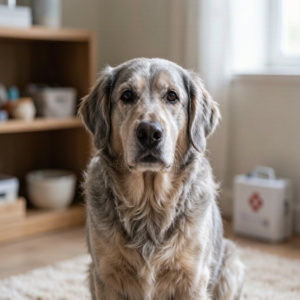
Once a dog turns seven, its metabolism slows, digestion weakens, and organs such as the kidneys, heart, and liver begin to decline — so the right senior dog food matters more than ever. Look for a formula with at least 25% crude protein (30%+ is better), fat held between 8% and 15%, fiber under 9%, starch no higher than 32%, salt under 2%, and a calcium-to-phosphorus ratio of 1:1 to 2:1. Bonus nutrients like glucosamine, fish oil, and probiotics support aging joints, brains, and guts. Prefer wet food for dogs with poor teeth, transition gradually over seven days, and feed smaller meals. For dogs with heart, kidney, or diabetic conditions, a vet-guided prescription diet is safest.
Why an Older Dog’s Hind Legs Suddenly Go Lame
When a senior dog's hind legs suddenly go lame, watch closely and review whether your daily care is sound - it can come from age-related calcium loss (osteoporosis) or joint trouble. Start by checking the paws for cuts from glass or thorns; clean any wound, remove debris, apply a pet wound powder, and bandage, keeping the dog rested indoors so the injury does not reopen. Long-term calcium loss is common in older dogs and weakens the bones, so add calcium-rich foods like shrimp, egg yolk, and tofu and use a vet-recommended calcium supplement. If there is no wound and diet is fine, the cause may be the joints - large breeds are prone to arthritis as they age, worsened by cold floors or over-exercise; a joint supplement plus warmth may help, but swollen, painful joints need a vet.
Dog Food vs Supplements: What’s the Difference?
Dog food is a complete staple designed by pet nutritionists to meet a dog's basic life, growth and health needs - balanced, digestible, convenient and even disease-preventing. Supplements fill specific gaps: vitamins, proteins, calcium, goat-milk powder, coat and pigment support, aiding development and recovery from illness. The rule is food first, supplements second - even good food is not 100% absorbed, so supplements help. But add them only when needed: large breeds needing calcium for joints or baby teeth, picky or single-diet dogs needing vitamins/minerals, weak or sick dogs (B-vitamin for some skin issues, probiotics for gut), and life-stage needs like goat milk for weaned pups. Over-supplementing backfires into allergy or obesity.
How to Prevent Gastric Ulcers in Dogs
A gastric ulcer in dogs is a chronic sore between the cardia and pylorus that can penetrate the full thickness of the stomach lining, and most cases trace back to serious illness such as kidney failure or tumors. They arise from stress, drug side effects (especially NSAIDs and steroids, with ibuprofen especially dangerous), excess acid, poor feeding, or toxins and other diseases. Signs include vomit that looks like coffee grounds, belly pain, weight loss, and black tarry stools. Diagnosis uses blood work, X-ray, ultrasound, and endoscopy, and treatment targets the cause while curbing acid with antacids and acid blockers.
Your Dog’s Urinary Tract Troubles
Lifting a leg to mark is normal, but uncontrolled dribbling or frequent tiny urinations may mean urinary stones or infection. Watch for pain, abnormal or discolored urine, incontinence, and odor. Care includes vet urine tests, more water, more walks, diet changes for stones, and never self-medicating.