Search Results
85 results for “dog butt”
What to Do When Your Dog Won’t Eat, Drink, or Has No Energy
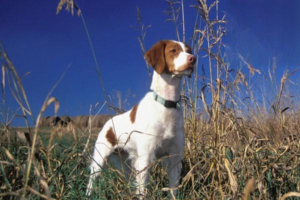
A dog that won't eat is a common but serious signal — anorexia often travels with vomiting, diarrhea, or lethargy and can mean something urgent. Know your emergency contact, watch closely, and don't guess with medication.

Are Cats Really Impossible to Bond With?
An Oregon study found over half of cats chose their owner over food or toys, and a cat that seems aloof still shows love through kneading, head-butts, belly displays, and following you everywhere. Cats that were stray before three months may stay wary, but 'untamable' is a myth — often it's the person who fails to connect.

How Cats Show Affection: Common Loving Behaviors
Cats express affection through a surprising range of body language — purring, slow blinks, head rubbing, and kneading are all signs of trust and contentment. Rolling onto their back or trailing after you from room to room means they feel safe and have claimed you as their own.

What to Do with Your Cat When You’re Away for the Holidays
When you travel for a holiday, your furry child has nowhere to go. Taking it home risks stress from the journey and environment change; a boarding facility risks infection; asking someone over to scoop litter worries you about personal property. All these make every owner dread holidays. This article shares common placement methods and precautions.

An Introduction to Corgi Lumbar Disease
Corgis are short-legged and long-bodied, so more prone to lumbar disease, even paralysis. Owners must be careful. Here is the disease.
Schnauzer
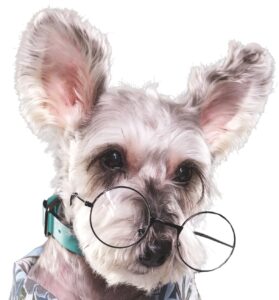
The Schnauzer, also called the Schnauzer, originated in 15th-century Germany; its name means 'mustache' in German and it is the only terrier without British blood. Energetic and lively, it comes in three sizes: Standard, Miniature and Giant.

pug
The Pug, originally from China and also called the Hapa dog, is charming and elegant. Named 'Pug' in the late 18th century (an old word meaning ghost, lion nose, or little monkey), it is prone to inverted eyelashes, many facial folds, entropion, and blocked tear ducts leaving visible tear stains.

Beagle
The Beagle, also called the Beagle Rabbit Hound, originates in Britain and is classed as a scent hound. Small in size, it was bred to hunt rabbits, and its loud voice earned it the name 'Bell of the Forest.' It is a popular, friendly family companion.
Dalmatian
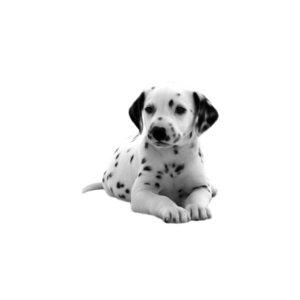
The Dalmatian, originating in Yugoslavia, is famous for its distinctive spotted coat and is commonly called the Spotted Dog. A breed of great endurance and speed, it served 19th-century nobility as a carriage guard dog, earning the nickname 'coach dog.'

Manchester Terier
The Manchester Terrier, a sleek, intelligent ratting and rabbit-hunting terrier from 16th-century Britain, is lively and alert with a strong loyalty to one owner. A clean, devoted family dog, it gets along with children and other dogs.