Search Results
320 results for “dog bored”
How can you tell if a dog has ascites (fluid in the abdomen)?
Mostly hepatic ascites: the body wastes while the belly swells and drops like a ball; appetite may stay good. Watch for continued weight loss, jaundice, labored breathing - then rush to the vet.
What are the signs a dog is dying from internal injuries?
External bruises, labored breathing, pale or blue-tinged tongue, abdominal breathing, possible internal bleeding or ascites, with vomiting or bloody stool in serious cases.

Common Causes of Coughing in Dogs
Coughing in dogs most often points to a problem in the respiratory system, but it can also come from heart disease, infectious illness, a swallowed object, or even a fracture. Watching the type of cough - wet, dry, weak, or continuous - and noting whether the dog also loses appetite, runs a fever, or has nasal discharge helps you and your vet pin down the cause. A wet cough with phlegm suggests airway disease, a harsh dry cough may be kennel cough, a weak cough can mean pneumonia, and a repeated dry cough may signal heart trouble. Many conditions from roundworms to heart failure, tracheal collapse, pneumonia, and distemper can all show up as coughing, so persistent or severe cases deserve a veterinary check.

Will Changing Dog Food Hurt the Gut?
Why switch? Nutrition balance - eating one food forever risks deficiency; safety - some feeds use questionable 4D sources, unneeded flavor additives and heavy preservatives linked to chronic disease; and appetite - same taste daily breeds boredom (imagine burgers forever). Does switching hurt? A single-food gut makes narrow enzymes, so a sudden swap causes soft stool or diarrhea. The 7-day method fixes it: raise the new-food ratio daily until day seven is all new, avoiding digestive stress. Switch about every three months, or anytime if no reaction; mixing two foods for broader nutrition is fine. Picky eating comes not from switching but from rewarding refused food with tastier food - the dog learns refusal pays off.

How to Stop a Dog From Eating Its Own Poop
Eating its own stool is a common dog behavior, usually harmless but sometimes a sign of a problem. Causes range from missing nutrients and youth or pregnancy, to lack of training, boredom, or illness such as pancreatitis. To correct it: feed a complete diet with added trace minerals and vitamins, clean up stools promptly, interrupt with a firm 'leave it' and reward stopping, and as a last resort make the stool unpalatable with a safe deterrent. If the habit persists despite these steps, consult a veterinarian to rule out a medical cause. Patience and consistency are what break the cycle.

Why Does My Dog Lick Me?
Dogs lick people for many reasons—affection, hunger, joy, anxiety, or simple habit. As puppies, their mother licks them clean, so licking becomes linked with closeness and love, and a dog may lick you to say 'I like you.' It also gathers information, seeks attention, or appeases you after misbehaving. When stress or anxiety drives constant licking, it can signal discomfort. If you dislike the behavior, train gently without hurting the bond; if licking is excessive, check for underlying worry or illness. Reading the context tells you what your dog is really saying.

Life With a Highly Intelligent Dog
Smart dogs watch every move you make, memorize your habits, and read your mood - which is why they sense your sadness and mourn with you. A highly intelligent dog shows it in everyday ways: it knows how to act cute to win treats and cuddles, tells you apart from strangers by footstep and scent, and may even clean itself before coming home or figure out how to open its own crate door. These clever behaviors also mean the dog needs constant companionship - never leave a smart dog bored and lonely.
What to Do When Your Dog Gets Cars Sick
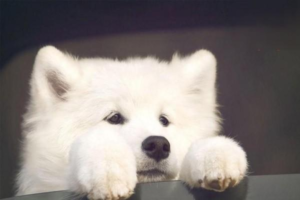
More hotels and attractions now welcome pets, but some dogs still get car sick - drooling, labored breathing, vomiting, even loss of bowel control and limp limbs. The good news is you can help your dog overcome it. Start by letting the dog adapt to the car with short, smooth trips and its own bed for security; then practice sitting in a running (but stationary) car and finally slow drives with calm reassurance. If sickness strikes, slow down, open a window for air, and use a vet-approved sedative or motion pill after stopping.

Diseases Behind a Dog’s Rapid Panting
Panting is shallow, upper-airway breathing that cools a dog fast, normally brief after exercise. But constant rapid panting can signal respiratory disease, collapsed trachea, airway obstruction, hypoxia, bronchitis or pneumonia, heartworm or heart failure, or obesity. Match the cause to the treatment.

Why Dogs Chew Furniture and Steal Socks and Shoes
Destructive chewing usually starts with paper and books, then escalates to shaking like prey. Causes: boredom and curiosity (Huskies are infamous explorers), the teething phase at 16–24 weeks when sore gums drive chewing, and prey drive—left-on-the-floor shoes and clothes become 'prey' to shake and tear. Fixes: supervise and interrupt, train basic obedience with rewards, exercise the dog outdoors, give teething chews and a crate to block furniture, and redirect prey drive with tug ropes and scent mats instead of furniture.