Search Results
39 results for “dog barking”

Woken by Dog Barking at 5 a.m.? How to Fix Early Morning Barking
A dog barking at first light isn't misbehaving on purpose; it follows a behavior logic. A 2023 canine vocalization report found over 73% of early barking ties to instinct, environment, or unmet needs. Causes include a built-in circadian clock (some energetic breeds' melatonin drops 30% faster), basic needs like hunger or a toilet break, and outside sounds like garbage trucks that a dog's sharp hearing catches. The fix is positive guidance plus removing rewards: shift the dog's schedule later, tire it out before bed, darken the room and use white noise, desensitize to triggers, and completely ignore barking until it is silent for 30 seconds. The process takes days to weeks, so don't give in midway.

Why Is Your Calm Dog Suddenly Barking So Much?
A dog that suddenly won't stop barking is communicating something. The cause may be physical pain, psychological stress like separation anxiety, or unmet needs for food, attention, or exercise. Rule out illness first—limping, vomiting, or appetite loss mean a vet visit—then ease anxiety with gradual alone-time training, a quiet safe corner, and reward-based calm. Patience beats punishment, which only makes it worse.
How to Stop a Teddy Bear Dog from Barking?
Frequent barking may come from unmet needs, boredom, or environment. Meet hunger, thirst, and potty needs, give fixed playtime, reduce nighttime noise and light, and see a vet if the bark is weak with other symptoms.
How can I stop my British Bulldog from barking excessively?
British Bulldogs bark from alertness. Desensitize with reward-based training and a quiet sleeping spot.

Dog at 7 Is Like a Human at 50: Early Signs of Senior Dog Diseases
At 7, every dog, large or small, has entered its senior years and organs start declining faster. Studies show kidney filtration drops 12-18% and joint cartilage wears three times quicker after 7. Many early signs get mistaken for "normal aging" and missed. Watch for osteoarthritis (stiff rising, hesitant stairs, liking soft beds), dental disease (red bleeding gums, loose teeth, bad breath, favoring soft food), chronic kidney disease (drinking and urinating more, later ammonia breath and weight loss), and cognitive dysfunction (getting lost at home, night waking, forgetting house-training). These diseases can't be cured, but early action slows them and extends life.

Why Do Dogs Get Anxious?
Many factors cause dog anxiety, including environmental change, separation from the owner, social anxiety, noise phobia, and over-protectiveness of food or owner. Dogs feel most anxious when tense or insecure, so reduce triggers and help them cope. Build trust through good communication, provide a stable and safe environment, and use proper socialization training.
The Benefits of Swimming for Dogs—and the Details to Watch
Swimming is one of the safest, highest-value exercises for dogs—it cools them off, burns fat efficiently, and, thanks to water’s buoyancy, strengthens muscles without stressing the joints. That makes it ideal for senior dogs with arthritis or conditions like osteochondrosis, shoulder injury, or cranial cruciate ligament damage. But not every dog is built for the water: small, brachycephalic, very young, or timid dogs can choke and panic if thrown in, and flat-faced breeds like French Bulldogs and Pugs face a far higher risk of drowning, aspiration, and pulmonary edema. This article covers the real benefits of swimming, the dogs that should avoid it, the must-do post-swim drying routine, and how to cap session length to keep the heart and body safe.
Common Mistakes in Dog Training
Raising an obedient dog depends on steady training, but many owners fall into habits that actually slow progress. A common mistake is waiting until a puppy is older, yet dogs mature fast and the window around three months, when they absorb and mimic readily, is prime learning time. Hitting or scolding is another trap: it breeds fear and resistance and can even trigger aggression, whereas rewards and praise build trust. Changing commands and hand signals mid-training only confuses the dog, so keep each cue consistent. Long, exhausting sessions backfire too, so keep training to 15 to 20 minute blocks in a relaxed mood. Finally, skipping socialization, the practice of meeting people, places, and other animals, leaves dogs timid or reactive. Patient, consistent, positive training paired with good nutrition is what truly shapes a well-behaved companion.
What Happens When You Give Your Dog Away Midway Through Its Life?
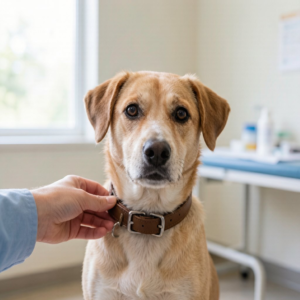
Rehoming a dog partway through its life is more common than people admit, yet few realize how deep the psychological wound can be. Most dogs show stress responses such as refusing food, over-grooming, or night barking, and loyal breeds may stop eating even during short boarding. Over time, the trauma can make a dog timid, reluctant to bond with the new owner, or even aggressive and resource-guarding. Some try to escape and find their original home, ending up stray. If rehoming is truly unavoidable, do it early, ease the transition with scent and gradual introductions, and remember that many situations—pregnancy, a busy schedule, a move—have kinder alternatives than giving the dog away.
How to Train Your Dog to Run With You
Many owners like to bring the dog along on morning runs, and a well-trained dog will stay close without darting off or barking. The training works for large, medium, and small dogs alike and starts with a roughly one-meter leash fitted snugly but not tightly. Teach the dog your cue, then give a light leash tug to move together; tug back if it speeds up, and tug a bit firmer if it will not slow. Once walking together is smooth, switch to a slow jog with a longer leash, nudging pace with the lead. Reward and pat the dog the moment it completes the move, and repeat until the behavior is reliable.