Search Results
37 results for “dog aggression”

How to Help Cats and Dogs Get Along
To keep cats and dogs friendly, consider their temperaments before adding a pet, avoiding two short-tempered animals together, and guide them to build a good relationship. Give each its own bowls and enough food and water, and let each have its own territory to avoid fights over resources and space.

Why Do Dogs Get Anxious?
Many factors cause dog anxiety, including environmental change, separation from the owner, social anxiety, noise phobia, and over-protectiveness of food or owner. Dogs feel most anxious when tense or insecure, so reduce triggers and help them cope. Build trust through good communication, provide a stable and safe environment, and use proper socialization training.
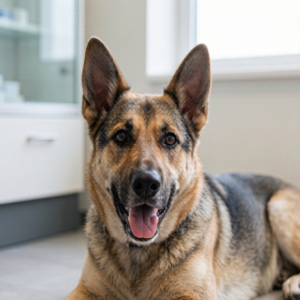
How to Show Your Dog You Love It (in a Language It Understands)
Dogs may not speak, but their emotional world is rich. Brain-imaging work at Emory University shows a dog's brain reacts to its owner's voice and scent in areas similar to where humans process emotion, so your affection is a real signal your dog can feel. You can speak its language through soft eye contact (which raises oxytocin in both of you), calm pressure-petting, high-engagement play, frequent praise, leaving a scented item in its bed, and keeping a predictable routine. These small daily acts lower stress and deepen the bond far more than words alone.
Common Mistakes in Dog Training
Raising an obedient dog depends on steady training, but many owners fall into habits that actually slow progress. A common mistake is waiting until a puppy is older, yet dogs mature fast and the window around three months, when they absorb and mimic readily, is prime learning time. Hitting or scolding is another trap: it breeds fear and resistance and can even trigger aggression, whereas rewards and praise build trust. Changing commands and hand signals mid-training only confuses the dog, so keep each cue consistent. Long, exhausting sessions backfire too, so keep training to 15 to 20 minute blocks in a relaxed mood. Finally, skipping socialization, the practice of meeting people, places, and other animals, leaves dogs timid or reactive. Patient, consistent, positive training paired with good nutrition is what truly shapes a well-behaved companion.

Can Dogs Get Annoyed With Their Owners?
Dogs can grow weary of their owners, but it is less 'annoyance' and more that the owner's interaction style has become a source of stress. Endless hugging, kissing, or disturbing a dog's rest can raise its cortisol level by 27%–42%, leading to refusal to interact, ignored commands, sudden warmth toward strangers, or even furniture-chewing as a silent protest. The remedy is healthy boundaries: learn the dog's 'emotional threshold' signals—yawns, nose licks, a turned back, avoided eye contact—then stop and give it space, keep a predictable routine, and spend quality time outdoors together.
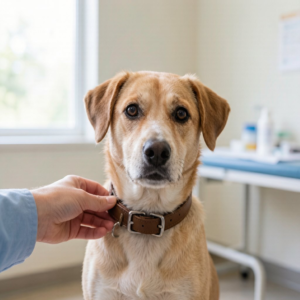
What Happens When You Give Your Dog Away Midway Through Its Life?
Rehoming a dog partway through its life is more common than people admit, yet few realize how deep the psychological wound can be. Most dogs show stress responses such as refusing food, over-grooming, or night barking, and loyal breeds may stop eating even during short boarding. Over time, the trauma can make a dog timid, reluctant to bond with the new owner, or even aggressive and resource-guarding. Some try to escape and find their original home, ending up stray. If rehoming is truly unavoidable, do it early, ease the transition with scent and gradual introductions, and remember that many situations—pregnancy, a busy schedule, a move—have kinder alternatives than giving the dog away.
Why You Should Not Tease Your Dog
Beyond spoiling a pet, owners often tease it for fun - but careless teasing has endless harms. Dogs are highly sensitive and react fast to tiny changes in environment, weather or moving objects. Teasing destroys normal behavior rules, and once outside, bad habits explode: sudden aggression, chasing other dogs, barking. Excitable and manic dogs are unpredictable risks. To prevent bites, learn your dog's type, always use a leash, stay calm around others, and never tease - teasing erodes patience and makes a dog impulsive.
What Dog Breeds Are Considered Dangerous or Aggressive?
Dangerous dogs are breeds known for strong aggression, high fighting drive, and difficulty being controlled. Examples include the Tibetan Mastiff, Dogo Argentino, American Pit Bull, Bull Terrier, Saint Bernard, Caucasian Shepherd, Croatian Sheepdog, and more. Because these dogs can threaten people and other animals, they are not recommended for densely populated urban areas, where an out-of-control dog could cause serious injury. Most dogs, however, are deeply loyal to their owners, and dangerous breeds are no exception. Owning one is possible, but only with dedicated, professional training to keep the dog under control. Without the patience and time such training demands, it is best to think carefully before bringing a powerful breed home.
Why a Dog That Stops Moving in Winter May Have Arthritis
As the deep cold of winter sets in, some owners notice their dog no longer wants to go out or play, blaming the weather, but the real cause may be osteoarthritis. OA affects 30 to 50 percent of dogs and cats and is not only age-related; even young dogs can develop it, with breed, age, sex, weight, and genetics all playing a role. It is a whole-joint disease where cartilage breakdown outpaces repair. Signs include less activity, stiffness after rest, painful swollen joints, and irritability. Management combines weight control, sensible exercise, NSAIDs for pain, and therapy with joint supplements.
Should You Hit Your Dog?
A dog trained mostly by hitting may obey, but it is not a happy dog—and hitting breeds fear, not understanding. Beatings leave a shadow: many hit dogs flinch at any hand ('hand-shyness'), fail the 'good citizen' test, and may bite when forced to be touched. The cycle worsens as strangers trigger growls that get punished. Instead of hitting, show authority without violence: interrupt bad behavior with a sharp 'no', push it off the bed, and build obedience through control of food and walks plus positive reinforcement. A well-socialized dog starts with never hitting.