Search Results
371 results for “doe recovery”

Can You Neuter a Hamster?
Neutering a hamster isn't realistically available and carries high risk from anesthesia and tiny size. This guide explains why and how to manage breeding instead — mainly one hamster per cage.

Rabbit Mastitis
Mastitis in rabbits causes loss of appetite and refusal to nurse; without prompt treatment the doe can die from septicemia. The main signs are a hot, red, painful udder that may turn blue in severe cases. It most often appears in nursing does around 20 days after kindling.

Dog Folliculitis: Symptoms and Treatment
Folliculitis in dogs shows as red, swollen skin with tiny coal-like black dots in the follicles, often on the muzzle, back, inner thighs and belly. It is usually linked to an oily diet, excess secretions blocking the follicles and secondary bacterial infection, mainly Staphylococcus intermedius. Mild cases may heal on their own; severe cases need oral antibiotics plus medicated baths.

How to Tell If a Cat Has FIP
FIP isn't the only cause of ascites—liver and heart issues also cause fluid buildup, though FIP is more serious. This guide lists dry vs wet FIP symptoms and a simple checklist, plus the tests needed to confirm.
What Are the Early Symptoms of FIP?
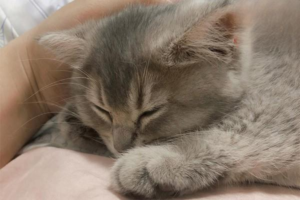
FIP is second only to panleukopenia in threat to cats, caused by mutated coronavirus. This guide outlines the early, middle, and late symptoms of FIP and the two antiviral drugs, stressing early treatment.

Feline Coronavirus and FIP: Understanding the Connection
Feline infectious peritonitis (FIP) is caused by a mutated feline coronavirus. It is not actually contagious, but it is serious. This guide covers what FIP is, its dry and wet forms and symptoms, and what to do if a cat is infected.

What to Do When Your Hamster Is Limping
A hamster can limp after a fall—often from the second level of its cage. This guide covers first aid with Yunnan Baiyao spray, recognizing fractures that need a vet, creating a safe recovery space, and diet tips to speed healing.

What to Do When Your Dog Has a Cold and Cough
Caring for a dog is like raising a child - feeding, shelter, and sickness all fall to you, and the common cold is near the top of the list. A dog with a cold looks defeated: ears down, eyes shut, motionless in the bed, with a rising temperature (adult dogs run below 39.2C, puppies 38-39C; above 39C means fever). It also coughs, has a runny nose, red conjunctiva, poor appetite, and shivers from the cold. Do not bathe a sick or coughing puppy - bathing strips a protective layer and lowers immunity. Keep the sleeping area warm with a blanket or hot-water bottle, dress the dog for walks, and keep the bed out of drafts. For the cough and runny nose, a half-packet of children's cold granules three times a day for about a week helps; dog-specific supplements are an option too. Feed nutritious food like beef and vegetables to build resistance, and catch illness early.
Can a Broken Arowana Fin Recover?
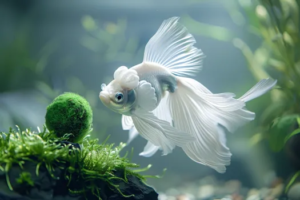
Whether a broken arowana fin recovers depends on severity. If not fully severed, it usually regrows with clean water, steady temperature around 30C, and good nutrition, though slowly and less perfectly. Fully severed fins rarely recover. Keep water quality high and be patient through the long regrowth.

Why Do Parrot Fish Turn White?
Parrot fish turn white from lack of pigment, poor water (alkaline or hard; they prefer soft, weakly acidic water at pH 6.0-7.0), low temperature below 20C, environment change or fright, illness, or genetics. Feed color-enhancing food, fix water and warmth, let them rest after stress, and treat any disease.