Search Results
476 results for “doe rabbit”
Care Before and After Plucking a Long-Haired Rabbit’s Fur
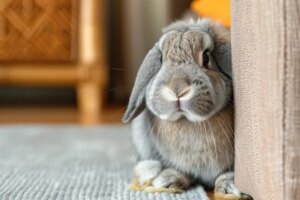
Before plucking, comb the fur to prevent matting. After, strengthen feeding with digestible, nutritious feed and add some vitamins. This article covers more tips and cautions for plucking long-haired rabbits.

How to Set Up a Rabbit Hutch
Rabbits live in cages long term, so a comfortable hutch is essential, and place it away from damp, dark spots. This article details the items and cautions for setting up a rabbit hutch.

How to Choose the Best Bedding for Rabbits
Rabbit urine is very smelly; bedding in the cage absorbs urine, keeps the rabbit from prolonged contact with it, and reduces odor. But rabbits may eat bedding, so choose safe, dust-free, deodorizing material. This article compares common rabbit beddings.

Rabbit Mastitis: Causes, Signs, and Treatment
Rabbit mastitis, common about a week after kindling, blocks kits from nursing and can kill the doe through tissue death or sepsis. It stems from dirty housing, cage splinters, oversupply from too much concentrate, or bitten teats. Prevent with managed feed and smooth clean cages; treat early with cold packs and ichthammol, later with hot packs and penicillin plus mequindox and dexamethasone, and surgery for abscesses. A sick doe can pass yellow-urine disease to kits, so treat both.

Doe Mastitis: Types, Diagnosis, and Prevention
Doe mastitis, common in the first three weeks after kindling, harms both doe and kits. It arises from overfull, thickened milk plus bacteria (internal) or a bitten or scraped teat (external). Forms are acute (fever over 41°C, blue skin, sepsis risk), chronic, and suppurative. Diagnose by the red hot painful udder and rule out staphylococcal disease; prevent with clean housing, managed feeding, and sulfonamide.

Why a Doe Eats Her Kits and How to Prevent It
A doe may eat her kits from thirst after birth, low milk, poor prenatal nutrition, fright, a cannibalistic habit, strange smells, or illness. Prevent it with strong prenatal feeding and warm salted water after kindling, a quiet space, no scent changes or bare-hand handling, and fostering only after masking the kits with the foster doe's milk and urine.

Signs and Cycle of a Female Rabbit in Heat
A female rabbit comes into heat at 3.5–4 months, showing restlessness, mounting and a vulva that changes from pale to bright red at peak fertility. She ovulates only after mating, and the best time to breed is mid-estrus when the vulva is deep red.

Best Seasons for Rabbit Breeding
Rabbits can breed year-round, but temperature drives estrus, conception and litter size. Spring is ideal (80%+ estrus, 7–8 kits); autumn is good with extra nutrition; summer and winter need shade, cooling, warmth and added greens to succeed.
Rabbit Constipation: Causes and How to Prevent It
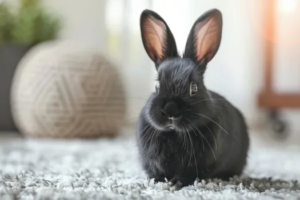
Rabbit constipation, common in young and old rabbits, comes from dry hardened gut contents due to poor feeding, too much concentrate, low water, or too little exercise, and can block the gut. Signs are poor appetite, hard small stools, then no stool with a painful belly and palpable hard masses. Prevent with balanced feed and water plus exercise; treat early with greens and, for severe cases, sodium sulfate or salt laxatives.

Grasses and Plants Rabbits Must Not Eat
Not every grass suits a rabbit; many wild plants are toxic and can kill. Always avoid groundsel, potato and tomato vines, larkspur, castor bean, aconite, belladonna, datura, water hemlock, and others; some are toxic only when flowering, sprouting, or to lactating does. Safe staples are alfalfa (young and nursing), timothy, and Bermuda grass.