Search Results
1014 results for “doe nutrition”
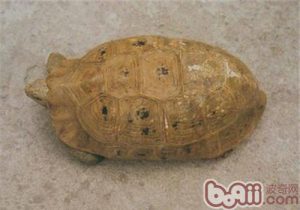
Celebes Tortoise
The Celebes Tortoise (Indotestudo forstenii), also called the Sulawesi tortoise, is a herbivorous land tortoise native to the Indonesian islands. It resembles the Burmese mountain tortoise but grows slightly larger, and is relatively easy to keep in captivity.

Hilaire’s Toadhead Turtle
Hilaire's Toadhead Turtle (Phrynops hilarii) is a side-necked turtle in the toadhead genus, strongly affected by ambient temperature and closely tied to it in behavior. Delicate and hard to keep in captivity, it is not recommended as a first turtle.

Painted Terrapin
The Painted Terrapin (Callagur borneoensis) is a distinctive member of the painted turtle genus whose carapace resembles a watermelon, with a red streak across the head. Distributed in Malaysia and Indonesia, it is a large, carnivorous, brackish-water turtle that must be kept in low-salinity water.

Stripe-necked Leaf Turtle
The Stripe-necked Leaf Turtle (Cyclemys tcheponensis) has a broad distribution and healthy wild populations, and even wild-caught individuals adapt well to human care. A semi-aquatic species, it favors shallow water adjoining land; adults prefer fruit while juveniles lean toward meat.
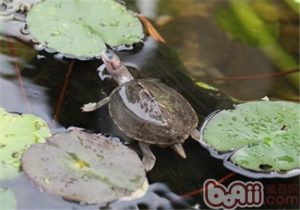
Brown Roofed Turtle
The Brown Roofed Turtle (Pangshura smithii) is a relatively uncommon member of the roofed turtle genus, comprising two subspecies—the nominate Smith's roofed turtle and the white-footed roofed turtle, distinguished by the absence of black markings on its plastron. A semi-aquatic omnivore, it inhabits riverbed mud across the Indian subcontinent and enjoys basking.
Can Povidone-Iodine Cure Cat Ringworm?
Povidone-iodine has broad antimicrobial action but does not reliably kill the fungi that cause ringworm, so it is only a supportive measure. True antifungals, either topical or veterinary-directed oral azole medication for severe cases, remain the main treatment.

Home Care for Cat Ringworm: Practical, Low-Cost Treatment
Ringworm, or dermatophytosis, is a fungal skin infection in cats caused mainly by Microsporum canis. Mild cases respond to topical antifungals, B-vitamin support, sunlight, and environmental disinfection, while widespread disease needs medicated baths and veterinary-directed oral antifungals.

Prostatic Tumors in Dogs and Cats
Prostatic tumors occur mainly in middle-aged and older dogs and mimic benign prostatic conditions. Adenocarcinoma is the most serious type and can spread to local lymph nodes, spine, and pelvis. Signs include weight loss, thirst, back pain, and difficulty urinating.

Canine and Feline Oral Squamous Cell Carcinoma
Oral squamous cell carcinoma is an aggressive, invasive tumor of the mouth lining in older dogs and cats, usually appearing as a firm, ulcerated white mass on the gums, tongue, or palate. Treatment options are limited and the prognosis is generally poor.
Pneumonia in Dogs and Cats: Symptoms, Treatment, and Prevention
Pneumonia is inflammation of the lung tissue from infection, irritation, or aspiration, causing high fever, breathing difficulty, and a painful cough. It is treated with antibiotics, cough and phlegm control, and oxygen when needed.