Search Results
1014 results for “doe nutrition”

Should Cats Eat One Food or Rotate?
Feeding one food keeps a cat's gut stable and makes health changes easy to spot, but it risks nutrient gaps, pickiness that fights later prescription diets, and silent formula changes. Rotating broadens nutrition and spreads product-risk, yet sudden or too-frequent switches upset the stomach. The balanced answer is to rotate on a schedule, with a slow 7–10 day transition and a few months on each food.

Common Old-Age Diseases in Dogs
Dogs are seniors from about seven years, showing grey fur, clouded eyes, weaker hearing, slower movement and lost teeth, all normal aging. But the risk of heart disease, joint trouble and mouth disease also climbs. Aging hearts can cause fluid buildup and breathlessness, a fading pancreas can bring obesity and diabetes, joints stiffen, eyes cloud with cataracts, coats thin, and tartar and gum disease appear. Adjust diet to avoid excess calories and keep weight down to protect joints and metabolism.
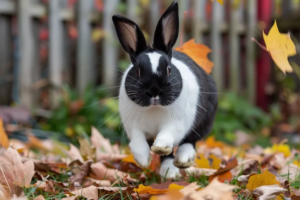
What Factors Affect a Rabbit’s Wool Production?
A rabbit's wool output depends on breed, sex, body weight, age, nutrition, and the season and temperature around it. Long-haired German-line rabbits usually produce the most fine wool, while females and neutered males tend to out-yield intact males, and rabbits between one and three years old are at their peak. Steady, balanced feeding with enough protein supports follicle growth, and cooler weather raises output. To boost production, choose strong breeding stock, use crossbred vigour, feed well, manage the environment, and harvest the wool on a sensible schedule.
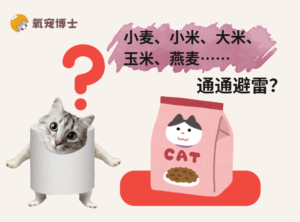
Is Grain in Cat Food Always a Dealbreaker?
Grain in cat food is not automatically a reason to reject it. Grains supply fiber, vitamins, and minerals, and most cats digest these carbs fine, so there's no need to fear them. While gluten grains carry a higher allergy risk than potato or tapioca, grain allergy is far less common than allergy to beef, dairy, or chicken. Because cats are carnivores with limited amylase, though, lower grain content is better—and a few cats should skip grains entirely.
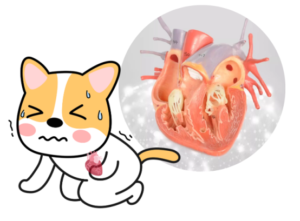
Pet CoQ10 Red/Black List Thinking: Reading the Test Data
About 10% of dogs and 7% of cats develop heart disease in their lifetime, and the early signs are easy to mistake for normal aging or a cold — until diagnosis, when the damage is often irreversible. CoQ10 is frequently advised, but 'which one' is the hard part. This guide separates the real science from the marketing: what CoQ10 actually does, the drug it cannot replace, and the four hard metrics a product should meet.

Why Your Cat Keeps Getting Thinner
A cat that keeps losing weight can signal parasites, poor diet, stress, aging, or underlying disease. Worms such as roundworms and tapeworms steal nutrients; stale or unappealing food lowers appetite; household changes or an owner's absence cause stress; and digestive, liver, or kidney disease blocks normal nutrient uptake. Older cats naturally eat less as metabolism slows. Have a vet identify the cause, then offer high-protein, high-fat food in small frequent meals, add supplements, and keep a regular deworming schedule to help your cat regain condition safely.

How to Tell If Your Dog Has Canine Distemper
Canine distemper is a highly contagious, often fatal viral disease. Watch for fever around 40°C or higher, cough, runny nose, vomiting, diarrhea, lethargy, and red swollen eyes. These signs overlap with a common cold, but distemper brings higher fever, lost appetite, cough, eye discharge, and labored breathing, while a cold usually does not. If you suspect distemper, isolate the dog at once and see a vet; treatment uses antivirals, antibiotics, and nutritional support, and early care greatly improves the odds. Vaccination remains the best prevention.
How do I care for a chili (red-claw) crab?
Keep chili crabs in brackish water (add a little sea salt if you lack seawater), in shallow water about 13 cm deep, with sand and rocks on the bottom to mimic their natural habitat. Their diet is simple - aquatic plants, fish meat, brine shrimp, plus some fruit and vegetables for balance - but clear away leftovers so the water doesn't spoil.
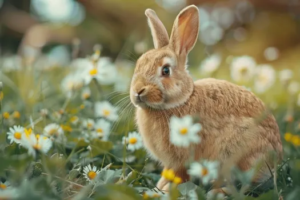
What Deficiency Causes Pica in Rabbits
Rabbit pica can stem from lacking trace elements such as zinc, iron, manganese, iodine, and selenium, plus calcium, phosphorus, and fiber. A varied, balanced diet of hays, pellets, fresh vegetables, and water covers these needs. Pica can also reflect missing chew outlets, boredom, too little exercise, or anxiety, so environment and mood matter too. If diet correction does not help, a vet check is wise.
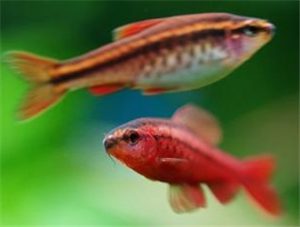
Cherry Barb
The Cherry Barb (Puntius titteya) takes its name from its cherry-red color, which deepens in mature males. Gentle and well suited to planted tanks, it is a popular ornamental fish.