Search Results
1015 results for “doe nutrition”
What happens if a Teddy eats salt?
A little salt is fine; like humans, dogs need some daily for metabolism and digestion. But dogs metabolize salt poorly and Teddies are small, so not too much. Too much salt causes tear stains, shedding, coarse dull fur, and faded color. Long-term salty food breeds pickiness and later malnutrition. A one-time large amount may cause drooling, thirst, and restlessness from poisoning.
How to increase milk in a Border Collie during lactation?
During lactation feed nutritious, high-protein foods to help milk: crucian carp soup, chicken breast, chicken soup, bone broth, goat milk, beef. Cook without seasoning to avoid gut burden. Consider post-natal dog food for trace elements and minerals, but transition gradually to avoid diarrhea and appetite loss.
How to care for a Langqing dog after whelping?
After birth, supplement nutrition; the mother loses water, calcium, protein during labor and nursing, so feed high-protein foods like goat milk, pate, chicken, beef, bone broth, egg yolk, or lactation kibble. Keep the area clean to avoid mastitis and vaginitis; stay quiet to avoid startling her into harming pups.

How to Prepare for a Rabbit’s Birth
Before a doe gives birth, first boost her nutrition to support the kits' development and her milk. Prepare a clean, dry, quiet, comfortable nest box in advance, and have food and water ready for right after delivery. Keep emergency supplies on hand — such as magnesium sulfate or oxytocin — so a vet can assist if she has difficulty delivering.

Why Won’t a Mother Dog Nurse Her Puppies?
A mother dog refusing to nurse always has a reason — the pups smell unfamiliar, she is inexperienced, the pups' teeth hurt her, she is eating, her milk is low, or she is weaning them. Judge the cause from the situation and respond: if low milk is the issue, boost her nutrition to support lactation.

What to Do When Your Cat Has Soft Stools but Otherwise Seems Fine
Soft stools in cats are common and are not usually alarming if the cat is active and eating normally. They are often caused by diet — table scraps, sudden food changes, or overfeeding — or by gut issues such as infections, inflammatory bowel disease, parasites, or unbalanced gut flora. Adjusting the diet, adding probiotics, and deworming usually resolve it, but persistent or watery stools need a vet visit.
What are the symptoms of pregnancy in a female rabbit?
A pregnant doe becomes sensitive, irritable, and more aggressive, with a bigger appetite from fetal demand. Late pregnancy shows a visibly enlarged hind belly and weight gain, with laziness. With only a 30-day gestation, prepare a comfortable nest and add vitamins.

How to Prevent and Treat Tumors in Hamsters?
Hamster tumors are common but manageable: diagnosis guides surgery, chemotherapy, or symptomatic care, while prevention rests on a balanced low-sugar diet, regular exercise, healthy weight, a clean home, and routine vet checks. See a vet promptly at any abnormal signs.
How long is a hamster’s pregnancy?
A hamster's gestation is about 20 days, with a nursing period of 20-25 days. Signs become clear around day 10 as the belly grows and appetite rises; separate males from the pregnant female to avoid fights.
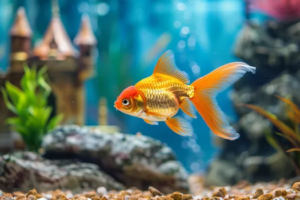
Why Is My Koi Refusing Food?
Koi refuse food for many reasons—environment, diet, disease, and stress. Sudden or poor water quality, a long-term single food, stress, digestive disease, or parasites can all cause anorexia. To reduce it, balance the diet, keep water quality good, and avoid startling the fish.