Search Results
1015 results for “doe nutrition”
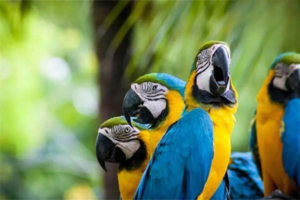
What to Do About a Parrot’s Poor Digestion?
Parrot illness is inevitable, and gut disease is common, so learning to handle it is worthwhile. Our team introduces treatment for parrot digestive issues.
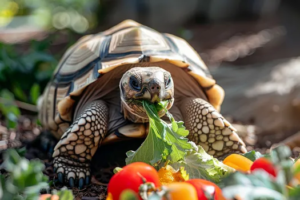
How to Prevent and Treat White Eye Disease in Turtles
White eye disease is a common turtle illness that causes eye inflammation, swelling, and a white film over the eyes, and can stop the turtle eating and even prove fatal. Keep the enclosure water clean and well-aerated, treat mild cases with antibiotic eye ointment, and use injections for severe infections.

Why Are My Turtle’s Eyes Sunken?
Sunken eyes in turtles are usually from poor nutrition or serious dehydration. Malnutrition comes from illness/parasites or an unbalanced diet; dehydration from dry-keeping without soaking, bacterial infection, or hibernation. Treat the underlying cause, replenish nutrients (fish/shrimp, vitamins) and water, and see a vet if it doesn't improve.

How to Treat White Eye Disease in Turtles
Turtle white eye disease is easy to cure if treated early but can be fatal if ignored. Treatment uses antibiotics such as penicillin, oxytetracycline, or erythromycin eye ointment, plus clean water and good husbandry to prevent relapse.

Common Questions About Turtle Colds
Turtle colds are treated early with antivirals, vitamins and rest; mild cases can self-heal but severe ones need medication. Symptoms include weeping eyes, runny nose, bubbles at the nose and lethargy, and may become pneumonia with open-mouth breathing. Prevent by good water quality, stable temperature and isolation.

What to Do When Your Rabbit’s Mouth Is Sore or Cracked
A rabbit with a sore or cracked mouth needs prompt checking and treatment, or the problem can worsen. Common causes are a vitamin-deficient diet, poor oral hygiene, and dehydration; treatment means switching to vitamin-rich greens and hay, cleaning the mouth, encouraging water, and providing chew toys to keep teeth worn.

Symptoms, Prevention, and Treatment of Turtle Enteritis
Turtle enteritis is best prevented—clean enclosures, good water quality, and sensible feeding greatly lower the outbreak rate. Early signs are lethargy, poor appetite, and misshapen or discolored stools; advanced cases show sunken eyes and dry skin. Control relies on sanitation, water quality, proper feeding, isolation, and herbal or berberine injections.

Turkish Angora
The Turkish Angora, named for Turkey's capital Ankara, is one of the oldest long-haired breeds, dating to the 16th century. Elegant with silky, medium-length coat and almond eyes, it is agile, independent, and famously fond of water. Once nearly supplanted by the Persian, it was revived in the US from 1963 and is now carefully bred to preserve its pure bloodline.
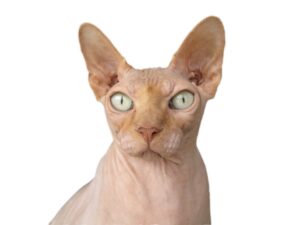
Sphynx
Sphynx (details)

Russian Blue
The Russian Blue, also called Russian Blue, Archangel Blue, or Maltese cat, with English name Russian Blue, is known as the 'aristocrat of shorthairs' and 'elf of winter.' Originating in the 19th century, once only in Russia, now worldwide. Few in number globally; buying one costs at least tens of thousands. Cheap ones are hybrids.