Search Results
1015 results for “doe nutrition”
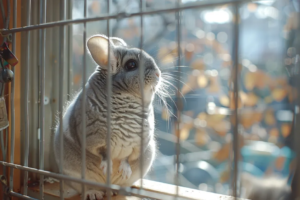
Why Is My Hamster Losing Fur on Its Belly, and What Helps?
Belly fur loss in hamsters is usually caused by a skin condition from a fungal, bacterial, or parasitic infection, but poor nutrition or abrasive bedding can also be to blame. This article covers the common causes and the practical steps and treatments to help the fur grow back.

How Many Litters Can a Cat Have a Year, and in a Lifetime?
A cat can have up to 4 litters a year, but too-frequent birth harms the mother, so breed responsibly—don't turn her into a kitten factory. This article covers safe breeding frequency and post-birth care.

Why Arowanas Develop Droopy Eyes (Drop-Eye)
Drop-eye is a common and stubborn problem in arowana. It is driven by genetics as well as husbandry factors—feeding method, tank height, lighting, and overnutrition—and can be prevented by adjusting these conditions.
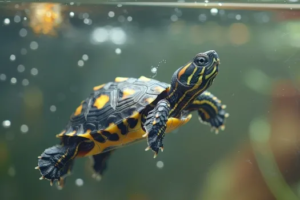
Why Is My Turtle’s Shell Soft, and How to Treat It?
A soft shell is usually normal shedding or, more seriously, calcium deficiency (metabolic bone disease). Improve diet with calcium-rich foods and ensure daily sun or UVB to aid absorption.

Can a Hamster Die from a Cold, and How to Treat It?
A plain hamster cold rarely kills if caught early, but unchecked cold plus low temperature can be fatal. Mild cases need warmth and rest; worse ones may need banlangen or, for severe cases, amoxicillin—see a vet if no improvement.

Why Is My Winter White Hamster Turning White?
Winter Whites naturally turn white—they're literally 'winter whites' whose coat lightens with shorter daylight, a harmless genetic trait. Rule out skin disease with baths, a low-salt diet, and good cage hygiene.

What to Feed a Nursing Dog to Boost Milk Production
After whelping, a mother dog needs calcium and protein—goat milk, crucian carp soup, bone broth, canned food—plus probiotics for gut health and mammary massage to stimulate flow. Avoid pork liver, which lowers supply.

Breeding Rabbits: Reproductive Period and Best Use Years
Quality breeding stock lifts litter rates and kit health. Rabbits breed 4–5 years but peak at 1–2; manage housing (raised, dry, clean), season care, and disease prevention (vaccines, coccidiosis meds, regular disinfection) to get the most from them.

Key Points for Raising and Caring for Puppies
Newborn puppies are blind and deaf for their first two weeks, living on mother's milk and needing a warm environment plus help with elimination. This guide covers early puppy care, weaning onto puppy food, and feeding tips for healthy growth.
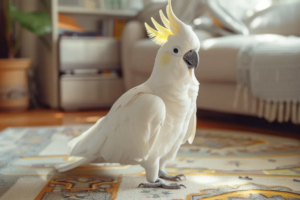
Canary Care and Management
Canaries are small, colorful songbirds that reward careful keeping. This guide covers cage and breeding setup, safe bathing and cage cleaning, protection from mosquitoes during molting, and daily husbandry to keep your canary healthy.