Search Results
1015 results for “doe nutrition”

Can a Cat Recover from Feline Distemper on Its Own?
Feline distemper (panleukopenia) almost never clears without treatment; only a "false" case, where a vaccinated or robust cat carries the virus without symptoms, can be managed by boosting immunity. The virus is highly contagious, survives in the kidneys for over a year, and causes appetite loss, fever, vomiting, and diarrhea, so veterinary care and strict hygiene are essential.

Why Dogs and Cats Vomit After Eating Dry Kibble
Dry food is made by extrusion, which puffs each piece so it swells sharply once it meets stomach fluid — a belly full of expanding kibble is a common reason dogs and cats bolt their food and then vomit. Soaking the food softens it and eases the gut, while slow-feeder bowls, split meals, and probiotics help dogs with sensitive stomachs.
How Much to Feed a Kitten Per Meal
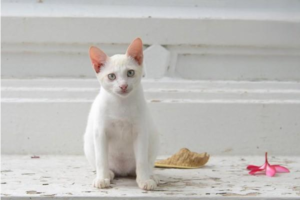
Kibble is the healthiest everyday choice because it meets a cat's full nutritional needs and stores easily, but portion control matters — overfeeding helps no one. Let a kitten eat its fill in about eight minutes and clear the bowl after 20–30 minutes, and feed kittens four to five small meals a day versus one or two for adults.

How to Avoid Static Shocks with Your Cat in Winter
Winter static on a cat comes from dry air (especially with the heater on), friction, and acidic blood from poor diet — and a shock can make the cat think you swatted it. Ease it by applying hand cream, wiping the coat with a damp towel, running a humidifier to keep humidity at 50–60%, using pet anti-static spray or comb, improving the diet with amino acids and fatty acids, and touching a table or wall first to discharge yourself.

Adjusting a Kitten’s Diet During Teething
Teething kittens eat poorly because swollen gums hurt, so switch to soft, easy-to-chew foods — soaked kibble, canned food, nutritional paste, or goat milk — and watch for retained 'double' canine teeth. Keep nutrition up so the kitten doesn't fall behind.

How to Balance a Rabbit’s Feed
Feed cost is a big share of rabbit raising, so matching feed to the animal's needs pays off. Protein and crude fiber must sit in the right range for each life stage, and shortfalls of phosphorus, magnesium, manganese, or vitamins A, D, and E directly undermine breeding success.

What Makes Autumn Rabbit Breeding Hard
Autumn breeding is toughest in early fall, when summer heat has suppressed buck sperm (which then needs 50–60 days to mature again) — so aim for October–November. Success also hinges on managing molt, weight, light, nutrition, and disease.

How to Prevent Recurring Gastroenteritis in Dogs
Recurring dog gastroenteritis comes from primary causes (bad food, drug reactions, irregular feeding) or secondary ones (internal parasites and viruses like distemper, coronavirus, and parvovirus). Prevention centers on keeping trash away, noting food allergies, small frequent meals with a gradual 7-day food switch, timely vaccination, and regular deworming (monthly for raw-meat diets).

Understanding Normal Rabbit Behaviors
Knowing a rabbit's normal behaviors helps breeders spot problems early and respond in time. Key patterns include feeding and drinking, nursing, cecotrophe (soft stool) eating, and territorial marking. Recognizing what is typical versus abnormal is essential to rabbit health and productive husbandry.

Causes of Rabbit Pica
Rabbit pica — the compulsive eating of non-food items such as fur, bedding, or newborn kits — usually arises from a mix of behavioral, environmental, nutritional, and health factors. Cage confinement, stress, poor husbandry, low fiber or mineral gaps, and skin parasites are the most common triggers. The fix starts with finding the root cause: a calm, clean enclosure, plenty of hay, added minerals, and prompt parasite treatment.