Search Results
1015 results for “doe nutrition”
How long does a Lionhead rabbit live?
A Lionhead rabbit lives 5-12 years, up to 12 with good care. Lifespan depends on constitution, diet, disease, and accidents, so keep a comfortable, well-fed, active life.
When does a Chihuahua’s belly show during pregnancy?
A Chihuahua's belly clearly swells at about one month, with nipple darkening and sagging breasts. Some show no morning sickness, which is normal. Boost nutrition once pregnancy is confirmed.
How long does a Golden Retriever’s first heat last?
A Golden's first heat usually lasts about two weeks. Clean the vulva daily with warm water, use dog diapers, and feed nutritious gentle foods like goat milk and chicken porridge.
How long does it take a dog to shed its puppy coat?
Dogs usually change their puppy coat over about 3-4 months, starting near three months and finishing by six or seven. Regular brushing and good nutrition help the new coat grow in well.
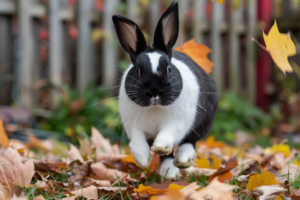
When Does a Rabbit Enter Old Age?
Rabbits live 5–12 years; most reach the senior stage after age 5 (small breeds like the Netherland Dwarf as early as 4). Seniors show weaker digestion, more sleep, slower movement, frequent soft stools, and white, matted fur. Care means a soft floor, senior food with unlimited hay, plenty of water, and companionship.

Why Does a Parrot Pluck Its Feathers?
A parrot plucks its feathers to groom, out of boredom or stress, from calcium/vitamin deficiency, or due to infection (feather lice). Bathe it every 2–3 days, give chew toys and out-of-cage time, keep a quiet spacious cage, supplement calcium and greens, and deworm or see a vet for skin disease. Occasional plucking is normal; frequent plucking needs attention.
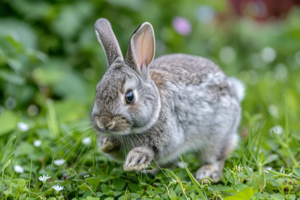
What Does a Rabbit’s Sudden ‘Airplane Ear’ Mean?
A rabbit's 'airplane ear' (one ear flopping up) can mean an impure lop bloodline, ear mites or inflammation, an ear strain from being lifted by the ears, or a calcium/trace-element deficiency. If there is no redness or pain, improve the diet; if there is, get a vet exam and treat mites or infection accordingly.

Doe Mastitis: Types, Diagnosis, and Prevention
Doe mastitis, common in the first three weeks after kindling, harms both doe and kits. It arises from overfull, thickened milk plus bacteria (internal) or a bitten or scraped teat (external). Forms are acute (fever over 41°C, blue skin, sepsis risk), chronic, and suppurative. Diagnose by the red hot painful udder and rule out staphylococcal disease; prevent with clean housing, managed feeding, and sulfonamide.

Why a Doe Eats Her Kits and How to Prevent It
A doe may eat her kits from thirst after birth, low milk, poor prenatal nutrition, fright, a cannibalistic habit, strange smells, or illness. Prevent it with strong prenatal feeding and warm salted water after kindling, a quiet space, no scent changes or bare-hand handling, and fostering only after masking the kits with the foster doe's milk and urine.

A Turtle’s Main Nutritional Needs
A turtle needs protein, fat, carbohydrates, minerals and vitamins; a lack of any stalls growth, causes disease and can be fatal. Protein demand falls with age (hatchling > juvenile > breeder > adult) and must be animal-based; fat carries vitamins A/D/E/K but rancidizes if not stored cold and sealed; starch is best around 22.7–25.3%. Captive turtles also need added calcium, phosphorus and a complex vitamin mix.