Search Results
248 results for “do dogs dance”
Comparing Popular Dog Dewormer Types
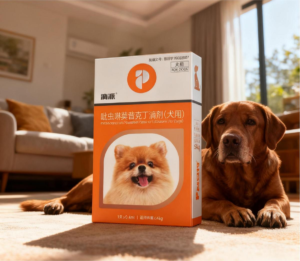
Dog dewormers differ by ingredient and spectrum, so the smart comparison is across ingredient, coverage, ease of use, and price—not brand fame. This guide reviews five common formulations—combined imidacloprid-plus-moxidectin and selamectin spot-ons, oral ivermectin-plus-pyrantel and febantel combinations, and fipronil-plus-methoprene drops—explains how to match each to a need, and flags the key safety note: Collie breeds must avoid ivermectin. Consistent monthly prevention and a clean home protect your dog far better than any single 'best' product.
CoQ10 for Dogs: Is It Worth the Hype?
CoQ10, or ubiquinone, is a fat-soluble compound that powers the heart and other high-demand organs through mitochondrial energy metabolism. Far from a gimmick, veterinary studies show it can improve heart function in dogs with mitral valve disease and congestive heart failure. This guide explains what CoQ10 does, why it is not a scam, which dogs benefit most, and how to supplement safely—including the drugs it must not be mixed with. It supports care but never replaces prescription heart medication.
How to Choose a Dewormer for Dogs
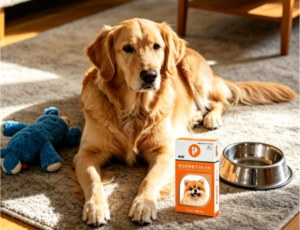
Most dogs meet parasites at least once, and fleas, roundworms, and heartworm are among the most common. Deworming is not a gimmick, yet three myths—indoor dogs are safe, price equals quality, one dose lasts half a year—lead owners astray. This guide covers the three standards for choosing (spectrum, safety, value), the Collie caution with ivermectin-class drugs, and a sensible schedule: monthly external and combined coverage, internal every three months for adults, and vet-guided care for puppies, pregnant, or sick dogs. Low price need not mean low efficacy.

Intervertebral Disc Disease in Dogs and Cats: Symptoms, Treatment, and Prevention
Intervertebral disc disease occurs when a degenerating disc bulges or ruptures and presses on the spinal cord, causing pain, numbness, and movement loss. It favors the thoracolumbar (about 85%) and cervical (about 15%) spine in small or chondrodystrophic dogs. Conservative rest and anti-inflammatories help mild cases; severe ones need decompressive surgery.

Hypertrophic Osteodystrophy in Dogs and Cats: Symptoms, Treatment, and Prevention
Hypertrophic osteodystrophy (metaphyseal osteopathy) is a bone-growth disorder of the active growing ends of long bones in young, rapidly growing large-breed dogs. It causes symmetric swelling, heat, and pain over the metaphyses with lameness, fever, and lethargy, and is managed with pain control, infection prevention, and nutrition.

Ephedrine Poisoning in Dogs and Cats
Ephedrine poisoning happens when pets receive too much ephedrine-containing medication. It causes restlessness, trembling, drooling, vomiting, and dangerously fast heart and breathing rates. Stopping the drug and prompt veterinary care are essential.

Aminoglycoside Antibiotic Poisoning in Dogs and Cats
Overuse of aminoglycoside antibiotics such as gentamicin damages the kidneys and the ear nerve and can block nerve-to-muscle signalling. There is no antidote, so stopping the drug and supporting kidney and nerve function are essential.

Selenium Metabolism Disorders in Dogs and Cats: Deficiency (White Muscle Disease) and Toxicity
Selenium is an essential trace mineral that supports antioxidant defence and immune function in dogs and cats. Both too little and too much are harmful: deficiency causes nutritional myodegeneration (white muscle disease) affecting skeletal and heart muscle, while excess produces acute and chronic poisoning.

Vitamin A Toxicity (Hypervitaminosis A) in Dogs and Cats
Vitamin A toxicity in dogs and cats follows prolonged over-supplementation with vitamin A or liver-heavy diets, suppressing bone-forming cells and causing periosteal bone spurs, pain, and lameness. It is reversed by stopping excess vitamin A and providing supportive joint care.

Chorea (Involuntary Movement Disorder) in Dogs and Cats
Chorea is a neurological movement disorder in dogs and cats in which muscle groups twitch or jerk involuntarily, producing a dancing, uncoordinated gait. It usually stems from encephalitis linked to distemper, carbon-monoxide poisoning, tumors, or other brain disease, and treatment targets the underlying cause.