Search Results
248 results for “do dogs dance”
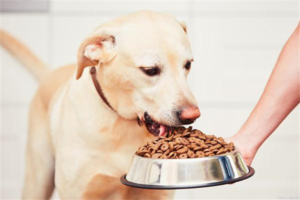
Which Dogs Should Eat Low-Fat Food?
Low-fat dog food suits dogs that need to cut back on fat: overweight or obese dogs, those with pancreatitis and similar illnesses, seniors, low-activity dogs, and dogs with sensitive stomachs. Healthy dogs can have some, but not as a long-term staple, since too little fat can harm the skin, coat, and immune system.

What to Do When a Dog Is Timid and Afraid of People
A fearful dog may be born sensitive, under-socialized, or traumatized. Build a safe retreat at home, socialize gradually from a distance with treats, and avoid rewarding the fear by over-comforting. For abused dogs, give extra patience and trust; if training stalls, call a professional trainer.

Can a Dog’s Chill-Induced Vomiting Heal on Its Own?
When temperatures drop, some dogs still nap on cold floors or drink icy water, irritating their stomachs and triggering vomiting. Whether this resolves on its own depends on the cause. Mild vomiting from a chill often settles within a short time, but persistent or worsening signs—diarrhea, fever, appetite loss—point to conditions like gastritis, infection, parasites, or pancreatitis that need a vet. This guide explains when to wait and how to care for your dog at home, including warmth, a bland diet, probiotics, and close monitoring—while stressing that human medication should never be given to dogs.

Caring for Senior Cats and Dogs: A Stage-by-Stage Longevity Plan
Cats and dogs are considered senior at around age 7, when metabolism slows and organ function begins to decline. With staged, careful care, companion pets can live an average of 2–3 years longer. This guide breaks senior care into three phases—ages 7–9, 10–12, and 13 and up—covering diet adjustments, weight control, dental and joint support, stress avoidance, and a sensible checkup schedule. The goal is not expensive supplements but steady, calm, well-planned daily care.

Why Do Dogs Get Anxious?
Many factors cause dog anxiety, including environmental change, separation from the owner, social anxiety, noise phobia, and over-protectiveness of food or owner. Dogs feel most anxious when tense or insecure, so reduce triggers and help them cope. Build trust through good communication, provide a stable and safe environment, and use proper socialization training.

Woken by Dog Barking at 5 a.m.? How to Fix Early Morning Barking
A dog barking at first light isn't misbehaving on purpose; it follows a behavior logic. A 2023 canine vocalization report found over 73% of early barking ties to instinct, environment, or unmet needs. Causes include a built-in circadian clock (some energetic breeds' melatonin drops 30% faster), basic needs like hunger or a toilet break, and outside sounds like garbage trucks that a dog's sharp hearing catches. The fix is positive guidance plus removing rewards: shift the dog's schedule later, tire it out before bed, darken the room and use white noise, desensitize to triggers, and completely ignore barking until it is silent for 30 seconds. The process takes days to weeks, so don't give in midway.

Why Do Dogs Develop Cervical Spondylosis?
A dog can develop cervical spondylosis for many reasons, including genetics, poor nutrition, holding one posture too long, overexercise, age, and environment. Some breeds with unusual body shapes are more prone to it. Long-term calcium deficiency weakens the bones, making the cervical spine easier to compress and injure. Older dogs are also at higher risk because of bone loss and weaker muscles. This article explains the common causes of cervical disease in dogs and what symptoms and home care look like once it is diagnosed.
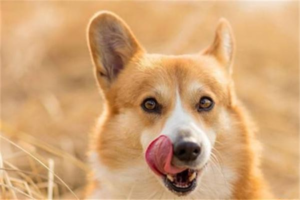
Is It OK Not to Dock a Corgi’s Tail?
Corgis can absolutely keep their tails. They're born with them; docking began because working herders wanted to avoid tail injuries and aid movement. Today, as family pets, most corgis have no need for it—and many are docked only because owners like the look. But the tail matters: it helps with balance, expresses emotion, and its removal can affect wellbeing and even invite bullying. The surgery also carries pain and infection risk. Unless necessary, leaving the tail is the kinder, healthier choice.

Can a Dog’s Protruding Eye Be Saved?
A dog's eye bulging from its socket needs urgent veterinary care. Causes range from the fatty pad behind the eye being pushed forward—common in short-nosed breeds like Pugs and Boston Terriers—to tumors, thyroid issues, infection, or trauma. Treatment is either replacing the eye or, in severe cases, removal. Gently clean around the eye before the visit, and keep up regular eye and health checkups to catch problems early.
Are Combined Flea-and-Worm Treatments Right for Your Dog?
Combined spot-on treatments protect against many internal and external parasites in one dose, which is why they are a top choice for busy owners. But they are not universal—many don't cover ticks or tapeworms, and timing matters. This guide explains how they work, how to match the active ingredients to your dog's risks, and how often to dose.