Search Results
18 results for “do cats get lonely”

Do Cats Get Lonely?
Cats do feel lonely. Left alone for long periods with no companion, a cat will become lonely and may even develop depression, so consider whether you can give enough companionship before adopting. Signs include staring at the TV or window and losing interest in toys; the fix is more interaction, plus proper feeding, a clean environment, and constant access to water.
Signs Your Cat Is Lonely
Cats may be solitary by nature, but they still feel loneliness, and long hours alone show up as destructive behavior, excessive meowing, over-grooming, clinginess, oversleeping, or staring out the window. Ease it with a second cat, daily play and affection, and a consistent feeding routine.

Why Do Cats Meow?
Cats meow to communicate needs and moods — attracting mates in heat, asking for food or water, coping with a new home, seeking attention, signaling injury or illness, or expressing emotion. A sudden spike in meowing with signs of distress means a health check.

Why Do Cats Hug Your Legs?
When a cat wraps itself around your leg it can signal different things: security, affection, joy, a request to play, a plea for protection, gratitude, or even illness. Read the context and your cat's overall condition: an energetic, bright cat is simply happy, while one that seems unwell may be asking for help.

Free-Roaming Cats: The Pros and Cons
Free-roaming (letting a cat roam outdoors) has both upsides and downsides. The benefits are freedom, more exercise, and better mental health, the cat explores, satisfies curiosity, stays active and social, and is less repressed than a strictly confined one. But the outdoors carries real danger: traffic and fights with strays, exposure to bacteria, ticks, and fleas that raise skin and infectious disease risk (and can threaten the family at home), and the chance the cat wanders off and never returns. If you choose to free-roam, do it in a enclosed safe area, keep up deworming and vaccines, and fit a tracker. Weigh the trade-offs for your cat's personality and setting.
Why Do Cats Meow So Much?
Some cats are quiet while others meow constantly, and much of it comes down to personality plus circumstance. Hunger is a top reason: a sharp, persistent cry asks for food, so check the bowl and top up if needed. Lonely, attachment-seeking cats vocalize when left alone too long, asking for attention, play, or a cuddle, and a clingy cat may benefit from a companion and more toys. Pain or discomfort also shows up as meowing, especially with low energy, so check the body and visit a vet if something seems wrong. The mating season is another big trigger: unspayed cats call loudly to attract mates and may act out or soil the house, so neutering curbs these behaviors, cuts reproductive-disease risk, and even lengthens life. By learning what each cry means, owners can meet their cat's needs and keep it content.
How to Stop Destructive Behavior in Cats
Cats may tear things up out of boredom, excess energy, or a bid for attention, so the fix must match the cause. Provide stimulating toys and play, set clear rules and stop bad acts with a sound or spray, and give regular companionship so they don't act out from loneliness. If the damage is deliberate, scold in the moment and withhold attention if it's attention-seeking; for safety-affecting behavior, consult a vet or behaviorist. Enough love, structure, and interaction let a cat thrive.
What Kinds of Cats Are the Most Affectionate
Cats have a reputation for being aloof, so when one chooses to cuddle and beg for attention it feels like a real win. Affection shows up as following you room to room, jumping on your laptop, sleeping in your bed, sitting on your lap, meowing or pawing for notice, and rubbing its face on you. Male cats tend to be cuddlier than females because they act on instinct and, after neutering, pour that need for contact onto their owner. Breeds like American Shorthair, Ragdoll, Maine Coon, and Siamese lean affectionate. Build trust by meeting the cat's needs and respecting its space, but beware over-dependence: too much clinginess can become separation anxiety, a real stress disorder worth managing.

Sun Parakeet
The Sun Parakeet (Sun Parakeet) is a smart little parrot with bright plumage. It can talk and perform, making it very lovable. Its noisiness is well known—if you can accept this flaw, these human-like little parrots will add warmth to your family.
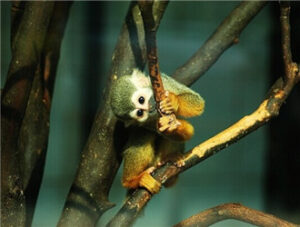
Squirrel Monkey
The Squirrel Monkey gets its name from a slight resemblance to a squirrel. A small New World monkey of the capuchin family, it is very cute and charming, mainly distributed in Colombia and Paraguay.