Search Results
51 results for “disc training”
The Shaping Method in Dog Training
Shaping (successive approximation) builds a target behavior the dog can't do at once, by reinforcing each small step toward it—rooted in Skinner's operant conditioning. It has linked stages (break the final act into sequential sub-goals, each reachable from the last, like 'come→sit→down→lie→stay') and gradual progression. Trainers reinforce each step and then withhold reward to fade it and move on, using extinction to advance. Start from the easiest move and build to the endpoint behavior.
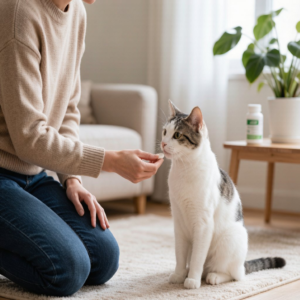
The ‘Sandwich’ Training Trick to Make Your Cat Cooperate
The 'sandwich' method borrows a conversation technique of praise–criticism–praise and applies the same pattern to cat training. Once you master it, tasks your cat used to resist—giving pills, trimming nails, brushing, detangling—will be met with cooperation. The principle is simple: first do something your cat loves (play, treats); then quickly perform the 'scary' procedure (pilling, etc.); and finally end with something it loves again. Learn what your cat enjoys—chin scratches, baby food, laser pointers, catnip—and identify the procedures it fears, from nail trims to temperature checks. With patience you will discover its motivators, and over time the 'scary' routines lose their fright. A small tip: for long procedures like nail trimming, give a full sandwich after each single nail.
My kitten urinates frequently with little output and now has a red, discharging urethra — what’s wrong?
Frequent litter-box trips with little or no urine, then a red urethra with discharge, suggest a urinary tract infection (and should be checked for bladder stones or pyometra). UTI signs include straining, small volumes, pain, and blood; urine may turn cloudy with mucus or pus as it worsens. See a vet for diagnosis and targeted treatment.

Desensitization Training for Cats with Phobias
Desensitization is a good way to treat phobias in cats. The key is to identify the fear source, control the trigger at low intensity, and slowly increase exposure in a random, stepwise manner—always ending each session on a positive note. Generalized fear and medication are also covered.
How to Correct a Cat’s Biting Habit
Cats bite for reasons like fear, anxiety, or physical and mental discomfort. To reduce biting, learn their body language and habits and act early with socialization training. Never use violence, which only worsens anxiety and aggression; use calm, patient, positive correction instead.
Why Won’t Your Cat Let You Touch Its Paws? (And How to Trim Nails)
A cat's paws are vital tools for hunting, defense, climbing, and sensing, and the hunting instinct remains even in pets, so a paw grab can feel like a threat. Paws also carry five times the nerve endings of a human fingertip and hold scent glands in the pads used to mark territory, making them extra sensitive. If a usually tolerant cat suddenly refuses paw contact, suspect pain from interdigital dermatitis, a paw injury, or arthritis, and watch for limping, obsessive licking, red swollen pads, or stiff wrists. A gradual, reward-based training plan helps most cats accept handling, but always stop if the cat shows stress.

How to Stop Your Cat from Peeing on the Bed
Finding a yellow wet spot on the bed is every cat owner's nightmare. Before anything else, rule out disease: feline lower urinary tract disease (FLUTD) makes urination painful, so cats link the box with discomfort and seek softer spots like the bed. If peeing comes with straining, blood, or constant licking, see a vet. Non-medical causes are a disliked litter box (bad location, poor hygiene, wrong litter, too few boxes in multi-cat homes) and stress or anxiety. Fixes: upgrade the box, scoop twice daily, follow the n+1 rule, ease anxiety with play and pheromone spray, and remove the urine scent with an enzymatic cleaner plus detergent. Most cats return to normal in 2-3 weeks.
Do West Highland White Terriers Bark a Lot? Yes — Here’s Why
West Highland White Terriers are vocal dogs. Bred as terriers in Scotland to hunt small rodents, they were selected to alert their handlers with barks, and that instinct remains strong. Westies bark out of alertness, pent-up energy, attention-seeking, seasonal restlessness, or as a sign of pain. The good news is that barking is manageable: daily exercise, a "quiet gets rewarded" system, desensitization to common noises, early socialization, and ruling out health issues all make a big difference. A sudden change in barking paired with other symptoms can signal discomfort and warrants a vet visit.

Why Is My Dog in Pain When Urinating?
When a dog shows pain while urinating, the cause is usually a problem in the urinary tract, such as a urinary infection, bladder stones or crystals, or a blockage. Along with painful urination, you may notice frequent or urgent attempts to urinate, straining, reduced output, blood in the urine, cloudy or pus-like urine, or a complete inability to pass urine. Because these conditions can quickly become serious, any sign of painful urination means your dog should be seen by a veterinarian promptly. Diagnosis may involve urinalysis, X-rays, ultrasound, or other tests, and treatment is chosen according to severity, ranging from relieving a blockage and catheterization to medication or surgery.
Why Is Your Dog’s Tail Tucked Between Its Legs?
A tail tucked down usually signals fear, nervousness, or discomfort. A slight tuck may mean mild unease or wariness of a stranger or possible danger; a tail pressed tightly under the body points to real fright or stress. It can also stem from illness or pain, including a tail injury. Watch the dog's posture and other signs—comfort an anxious dog, and if pain or other symptoms appear, see a veterinarian.