Search Results
183 results for “dim light”
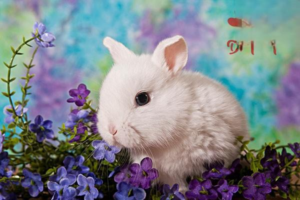
How Cage Lighting Affects Rabbit Fattening
Meat rabbits gain weight faster in dim, quiet cages — they eat more evenly and digest better, adding 250–350 g over six months versus bright conditions. But lack of light lowers immunity, so keep cages clean and the diet nutritionally complete.
Cat went out about an hour, stressed, vomited undigested food, then yellow foam, then white gastric fluid; no food or water; slightly low spirits, occasionally grumpy; is it serious?
For stress vomiting, fast the cat 4-6 hours in a quiet, dim, separate space and offer pheromones or catnip. If vomiting or stress continues, see a vet.
It Is 36 Days Old, Came Home Last Night, Ate Only a Little, Stools Are Formed but the Tail End Is Slightly Watery, Head Keeps Tucking Back into Its Wings, Feathers Feel Slightly Puffed Up
Based on your description and the photo, the parrot may have soft stools, reduced appetite, shivering, timidity, and puffed feathers, which could be stress-induced enteritis from a new environment or long transport, or enteritis from carried pathogens or parasites.
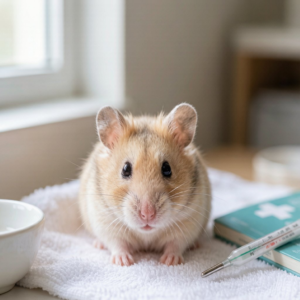
Can Hamsters Die from Sunlight?
Hamsters can die from too much sun. As nocturnal animals, they prefer cool, dim environments, and direct exposure to strong sunlight can seriously harm their health. Their thin skin burns easily under UV rays, their eyes are adapted to darkness and can be damaged by bright light, and because they cannot regulate body temperature like humans, they overheat quickly and may suffer heatstroke, dehydration, or heat exhaustion. To keep a hamster safe, avoid prolonged sun exposure, maintain a habitat around 18-24°C with shade and good ventilation, and always provide fresh water.

Head and Tail Light Tetra
Also known as the Lantern Fish, Head-lamp Fish, or Signal Fish, the Head and Tail Light Tetra is small but very distinctive; under lighting, the golden-yellow spots near its eyes and tail reflect golden and red colors, which is quite beautiful.
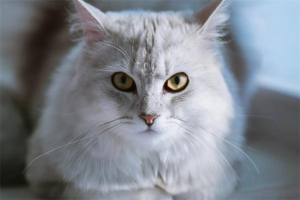
How Do a Cat’s Pupils Change?
A cat's pupils shift constantly, driven by light, mood, and health. In bright light they narrow to thin slits to protect the retina; in dim light they widen into round openings to gather more light. Emotion plays a role too—pleasure or excitement can shrink the pupils to fine lines, while fear or anger makes them blow up into wide circles, offering a window into how your cat feels. Pupil changes can also signal illness: uneven or misshapen pupils may point to infection or abnormal eye pressure, and warrant a vet visit.
My kitten’s lower eyelid has hair loss, redness, and swelling
Lower-eyelid hair loss and redness are likely ringworm, but eye-disease inflammation is also possible. If possible, use a Wood's lamp in dim light; green fluorescence suggests ringworm, treat near the eye corner with topical antifungal. If no green reaction and the cat has tearing, conjunctivitis, or heavy stains, it is eyelid inflammation; use anti-inflammatory drops and wipe discharge often.
Why do small birds get pus in their eyes?
Causes include bacterial, viral, or parasite infection and conjunctival injury. Move the bird to dim light, rinse with boric acid or saline, and apply chlortetracycline or chloramphenicol drops several times daily.
Which hamster breeds have red eyes?
Red-eyed hamster breeds include the Snowball and the White Bear. Snowballs are all white with red eyes that look dark-red in dim light and transparent red in bright light; they are calm and sleepy. White Bears are snow-white with usually black or red eyes and dense, smooth, soft fur.
Why do cats’ eyes glow?
Cat eyes do not actually emit light; the glow at night comes from a reflective layer (tapetum) that catches dim light and reflects it through the iris. As nocturnal animals, cats dilate pupils at night to gather light. Supplement taurine to keep their eyes bright and healthy.