Search Results
4817 results for “diet”
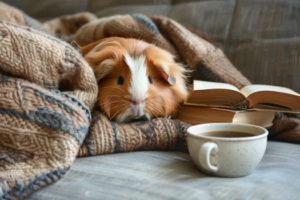
What Causes Guinea Pigs to Miscarry?
Guinea pigs miscarry for many reasons — sudden fright, a chasing male, disease, temperature swings, bad diet, falls, toxins, or parasites. After a loss, isolate and clean the mother, check for surviving pups, and give a warm, quiet, nutritious recovery space.
My hamster was lively, now squints and hides in a corner, won’t come out—after two hamsters fought. I only fed it nuts, steamed bun, water. Is it sick or scared? Worried.
Hiding in a corner is common from fear, new-environment adjustment, or illness—observe to rule out. After a fight it may hide for self-protection until safe. Check diet, water, stool, breathing, temperature, environment, and gently check for injuries; if illness signs, take to a vet.
Can you help identify what causes my cat’s tear stains? They return after wiping; can’t tell if blood or inflammation; struggles when wiping.
Many causes; find the cause of frequent tearing first. Common: 1) unbalanced diet (too oily/salty/fatty) → low-salt hypoallergenic prescription food, more water, vitamins. 2) blocked nasolacrimal duct → hospital test, surgery to open (recurs). 3) viral disease (calicivirus, herpes) or chlamydia/mycoplasma/Bordetella → respiratory panel + treatment. 4) foreign irritation (dust, ingrown lashes) → eye specialist.
What causes a bird to die suddenly?
Per your description (normal before, eyes open at death), possible causes: 1) fright—birds are very sensitive to stimuli; a major shock can overwhelm the heart. 2) Cold/chill—may die with eyes open. 3) Poor diet—large amounts of hard/dry powder feed may cause sudden death.
My cat drooled; I noticed red gums, tongue ulcers, a lump-like thing at the back of the mouth; gave amoxicillin and B2 a few days, ulcers/gum redness faded but still eats little, refuses kibble; tonight after meds and a walk it vomited yellow fluid. Still won’t eat much—only cat strips and paste packets.
Per description/image: stomatitis—tongue tip ulcer, red gums/mucosa, drooling, low appetite. Causes bacterial or viral; screen for calicivirus, FIV first, then targeted meds. If ordinary bacterial, daily anti-inflammatory + antibacterial spray, feed soft/wet food to reduce irritation, supplement B vitamins. If no improvement, consider viral—add antivirals/interferon. Recurrent stomatitis often needs full-mouth extraction.
Why does a cat get kidney stones?
Causes: unreasonable diet, old age, insufficient water, genetic defects. Cat food too high in protein/magnesium/calcium raises urine ion concentration, easier stones. Older cats move/urinate less—a key cause. Some cats have inherited metabolic defects, higher kidney-disease risk.
What feed is best for angelfish?
Use artificial pellets as staple, plus some meaty and live foods. Meaty = homemade animal-meat feed; live = bloodworms, brine shrimp, tubifex, mealworms. Keep diet varied. Before feeding live/meaty foods, disinfect/sterilize and control portions to avoid overfeeding.
When does a British Shorthair blue cat develop cheek jowls (stud cheeks)?
British blue cats usually develop jowls at 6–8 months; timing varies by genetics/diet. If parents both have them, the kitten may show at 2–3 months. At 2–4 months, add boiled chicken, fish, beef, shrimp (high protein), or nutritional paste/canned food; with such diet, jowls may appear around 6 months.
My foundling orange kitten had normal stool first day on kibble, then diarrhea; only fed kibble and lactose-free milk, gave smecta and probiotics, improved, then relapsed after stopping smecta; no fever/vomit, eats/sleeps well but diarrhea; today a bit of blood.
Give pet probiotics for diarrhea; avoid dairy (even lactose-free). If no improvement plus blood, likely parasite-induced enteritis—get a fecal test first to identify the parasite, then choose dewormer (giardia/coccidia need specific drugs, common dewormers don't work; both cause persistent bloody diarrhea; also roundworm/tapeworm). Severe bleeding: oral anti-inflammatory. If blood/diarrhea with low appetite/fever/lethargy, check for panleukopenia.
What food do butterflies like to eat?
Many butterfly species; diets differ. Some prefer flower nectar (sugars and amino acids aid growth/vitality); some prefer leaves and fruit. Different life stages differ—larvae eat specific plant leaves for energy/nutrients. Generally butterflies like sugar- and amino-acid-rich plants.