Search Results
39 results for “diabetic dog”

What to Feed a German Shepherd
A German Shepherd's staple diet is balanced dry kibble, supplemented with canned food for appetite and vegetables for vitamins. You can also add meat jerky, semi-moist food in moderation, and rawhide chews for dental health — but go easy on the high-protein and high-carb extras.

Should You Do Ear Care After Bathing a Cat?
Pet ear disease is rising; a cat with ear trouble shakes its head, scratches with hind legs, and smells bad. Untreated, it scratches endlessly and hurts itself.
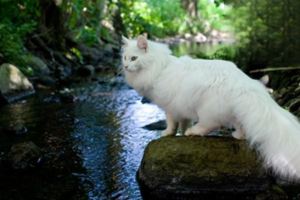
Can Cats Get Diabetes?
Diabetes is a multi-cause metabolic disease marked by chronic high blood sugar, from defective insulin secretion causing disorder of carbs, fat, and protein metabolism.

Symptoms of Diabetes in Pets
Just as diabetes affects people, it is affecting more and more pets. Obesity is a factor — over 50% of pets are overweight, raising their diabetes risk. In fact, an obese cat is four times more likely to develop diabetes than a cat at a healthy weight.

Type 1 and Type 2 Diabetes in Cats
Cat diabetes comes in two types, split mainly by how much the cat depends on insulin. Any cat can get it, but older, neutered, male, and obese cats are more at risk. Learn the causes, signs, and treatment of feline diabetes.

saluki
The Saluki, also known as the Persian Greyhound, is an ancient sighthound from Egypt, prized for its elegant, lean build and long, silky ears and tail. A noble, loyal, and gentle companion, it needs plenty of exercise and space.
Hair Loss and Excessive Urination? Symptoms of Hormonal Imbalance in Cats
Feline hormonal (endocrine) imbalance is not one disease but a sign of disorders such as hyperthyroidism, diabetes, Cushing's syndrome, or hypothyroidism. Hyperthyroidism brings ravenous appetite with weight loss, thirst, and overactivity; diabetes causes the 'three polys plus weight loss' and weak hind legs; hypothyroidism shows as lethargy, weight gain, and a dry, thinning coat. See a vet for blood and urine tests if you notice these signs.

What Is Diabetes in Cats?
Feline diabetes develops when a cat's body makes too little insulin or responds poorly to it. Without enough insulin, excess sugar spills into the urine and cells starve, sometimes producing toxic ketones. Signs include ravenous appetite with weight loss, dull coat, excessive drinking and urination, and sweet-smelling urine. Diagnosis uses blood and urine tests, while treatment centers on insulin injections, lifelong in most cases. With careful monitoring, diabetic cats can live comfortably for years.

Canine and Feline Cataract: Symptoms, Treatment, and Prevention
Cataract is clouding of the lens in dogs and cats—often in old age or from diabetes, glaucoma, or toxins—that blurs and can destroy vision. Medicines help early stages, but surgery is the main cure.
- « Previous
- 1
- 2
- 3
- 4